
 Save to Pinterest
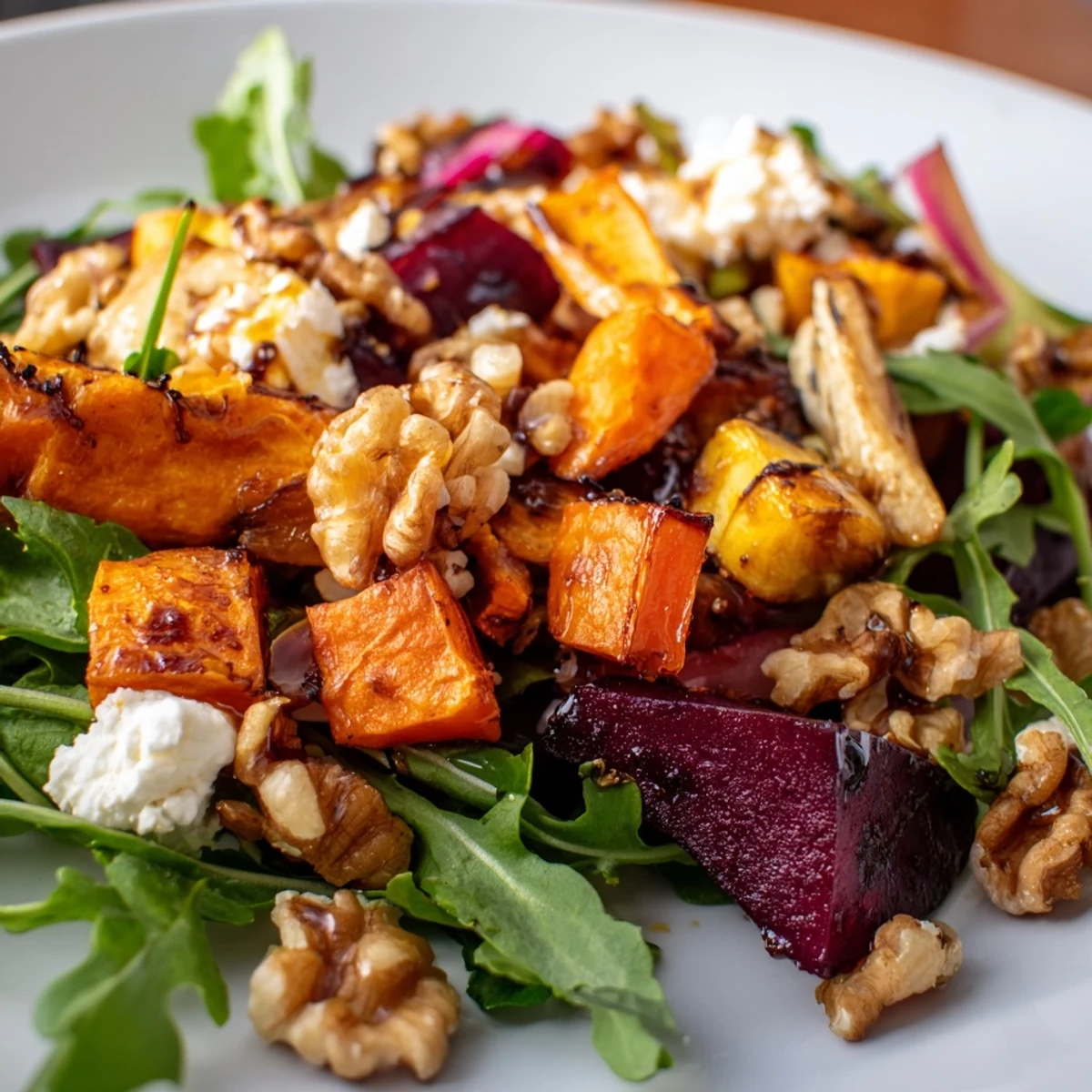
 This vibrant dish brings together caramelized root vegetables like carrots, parsnips, and beets with tangy feta cheese. Tossed with fresh mixed greens and a zesty balsamic dressing, it offers a perfect balance of sweet and savory flavors. Ideal for a hearty lunch or a satisfying dinner side.
There's something about the smell of roasted root vegetables that pulls me back to a November evening when my neighbor dropped off a farmers market haul—carrots still crusted with dirt, golden parsnips, and beets that stained everything they touched. I'd never roasted them all together before, but the golden rule seemed obvious: high heat, let them caramelize, then pile them onto something green and tangy. It became the salad I made over and over that winter.
I served this to friends who'd just finished helping me paint my kitchen, and everyone went quiet for a moment after the first bite—not in a polite way, but the genuine kind of quiet that means something hit the spot. The warm vegetables against cold feta and peppery greens felt like exactly what we needed.
Ingredients
- Carrots and parsnips: Cut them roughly the same size so they roast at the same speed—I learned this after pulling out sad shriveled parsnips while waiting for chunky carrots.
- Sweet potato and beet: The sweet potato melts into soft sweetness while the beet keeps its earthy bite; together they're better than alone.
- Red onion: Gets silky and caramelized at high heat, which is the whole point—don't skimp on the olive oil when tossing.
- Olive oil (5 tbsp total): Three tablespoons for roasting, two for the dressing; this is where the magic happens, so use something you actually like.
- Thyme and rosemary: Dried herbs work fine here since the heat brings them alive; fresh ones can turn bitter, so stick with dried.
- Mixed greens: Use whatever's fresh and not wilted—arugula and spinach are my go-to, but this salad forgives a lot.
- Feta cheese: The tanginess is what makes this whole thing sing; don't skip it or substitute with something mild.
- Balsamic vinegar and Dijon mustard: The mustard emulsifies the dressing so it actually coats the greens instead of pooling at the bottom.
- Honey: Just a touch—it rounds out the vinegar's sharp edges without making anything sweet.
- Walnuts or pecans: Toasted nuts add crunch, but honestly the salad works without them if you're in a hurry.
Instructions
- Get your oven ready and prep your vegetables:
- Preheat to 425°F while you peel and cut everything into roughly 1-inch chunks—consistency matters more than perfection here. If your beet is significantly larger than your carrots, cut it smaller since it takes longer to caramelize.
- Coat everything in oil and seasonings:
- Toss the vegetables in a bowl with 3 tablespoons of olive oil, thyme, rosemary, salt, and pepper until every piece glistens. The oil won't distribute evenly by shaking the bowl alone—use your hands and make sure the herbs are spread throughout.
- Spread and roast:
- Arrange vegetables in a single layer on a parchment-lined baking sheet, leaving space between pieces so they roast instead of steam. Stir them halfway through the 35–40 minute cook time, watching for the edges to turn dark brown and caramelized.
- Make the dressing while vegetables roast:
- Whisk together 2 tablespoons olive oil, 1 tablespoon balsamic vinegar, 1 teaspoon Dijon mustard, and a half teaspoon of honey in a small bowl. Taste and adjust salt and pepper—the dressing should make you pause and think about how it tastes on its own.
- Build your salad:
- Pile your greens on a platter or plates, then top with the still-warm roasted vegetables while they're at their best. Scatter crumbled feta across the top, add toasted nuts if you have them, and drizzle with dressing just before serving so nothing gets soggy.
 Save to Pinterest
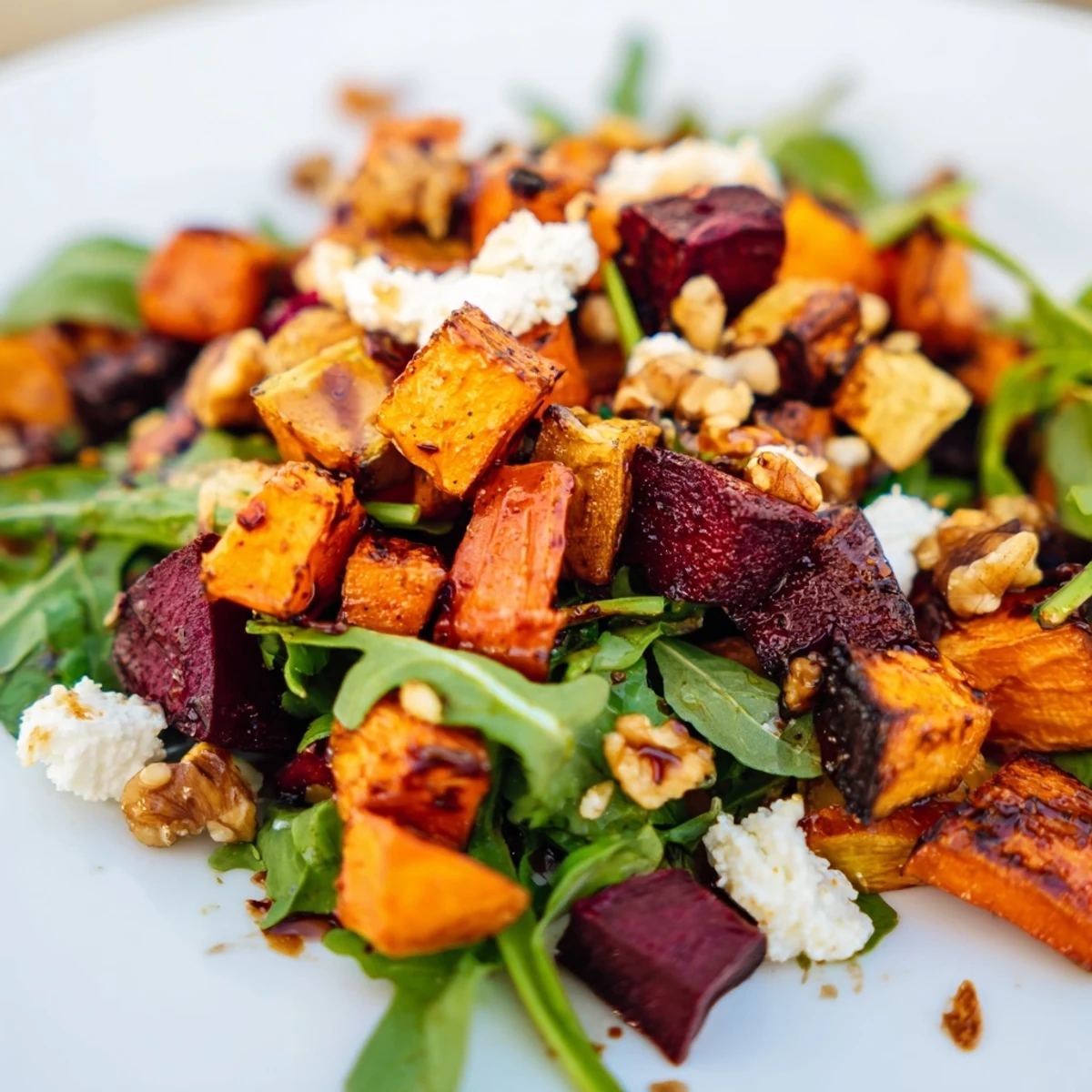
 The best moment in a salad is the very first bite, when everything is still warm and the temperature contrast between the roasted vegetables and cool greens feels almost luxurious. Once it sits more than a few minutes, something shifts—still delicious, but different. Plan accordingly, or embrace room-temperature leftovers, which have their own charm.
Why Roasting Changes Everything
Raw root vegetables taste bright and crunchy, but roasting transforms them into something entirely different—the natural sugars concentrate and brown, the edges turn crispy while the insides get creamy. It's the difference between eating a vegetable and actually wanting it. Once you see this happen to a carrot or parsnip, you'll start roasting them for everything.
The Temperature That Matters
Four hundred twenty-five degrees Fahrenheit is hot enough to actually caramelize vegetables without taking forever, but not so hot that they char before cooking through. I once tried roasting at 375 degrees thinking it would be gentler, and after an hour the vegetables were still pale and soft with no color—heat is the point here. If your oven runs cool, you might need to bump it up another 25 degrees and watch them closely.
Making It Your Own
This salad is more of a template than a strict rule—I've made it with roasted beets and Brussels sprouts, with chickpeas stirred in for protein, even with crumbled goat cheese when someone had a strong opinion about feta. The formula that always works is warm roasted vegetables, something tangy, something creamy, and a sharp dressing that ties it together.
- Add cooked grains like farro or quinoa for a more substantial main course.
- Swap the greens for hearty kale if you want something that won't wilt under the warm vegetables.
- A splash of pomegranate molasses in the dressing brings a different kind of complexity than balsamic.
 Save to Pinterest
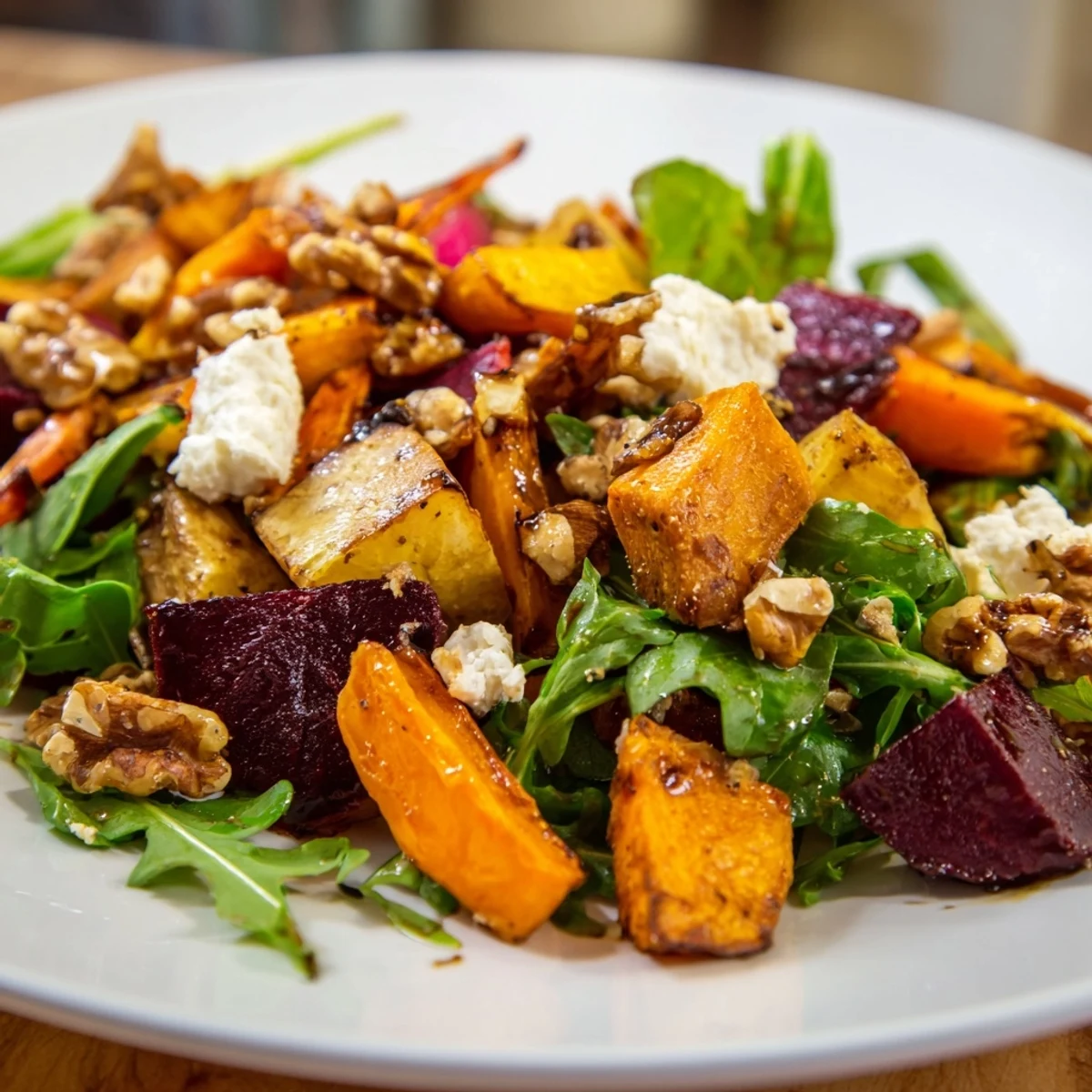
 This salad reminds me that some of the best meals start with paying attention to what's in season and in front of you. It's become one of those recipes I don't need to check anymore—I just roast whatever root vegetables look good, dress them with vinegar and honey, and everything works out.
Your Recipe Questions
- → Can I use other root vegetables?
-
Yes, you can easily substitute or add vegetables like turnips, rutabaga, or regular potatoes to customize the flavor.
- → Is this dish suitable for vegans?
-
It can be made vegan by using a plant-based feta alternative or simply omitting the cheese entirely.
- → How should I store leftovers?
-
Keep the roasted vegetables and dressing separate from the greens to maintain freshness, then combine when ready to eat.
- → What can I serve with this salad?
-
It pairs wonderfully with crusty bread, grilled proteins like chicken, or a glass of crisp white wine.
- → Can I add grains to make it heavier?
-
Absolutely, adding cooked quinoa or farro is a great way to add bulk and make it a more filling main course.