
 Save to Pinterest
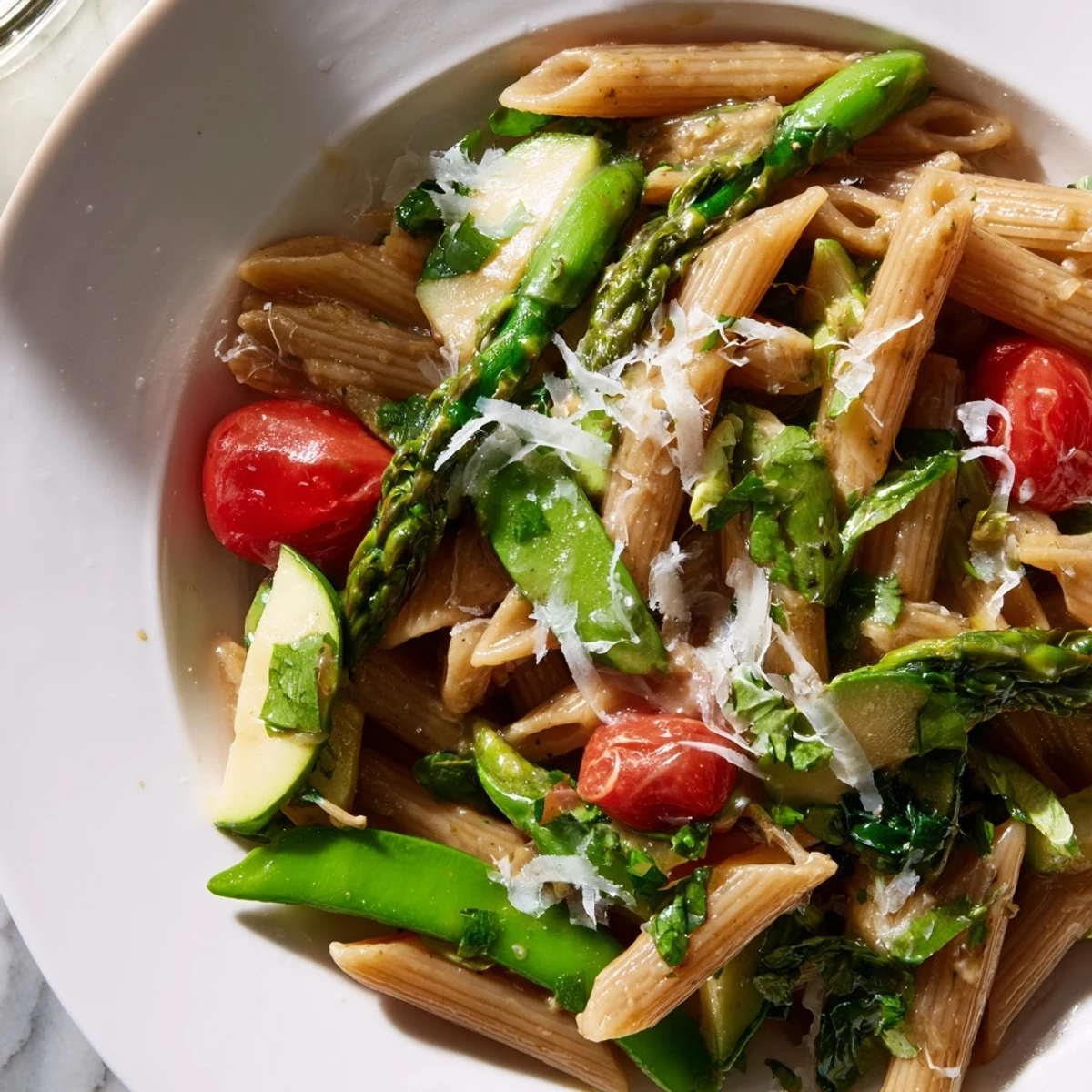
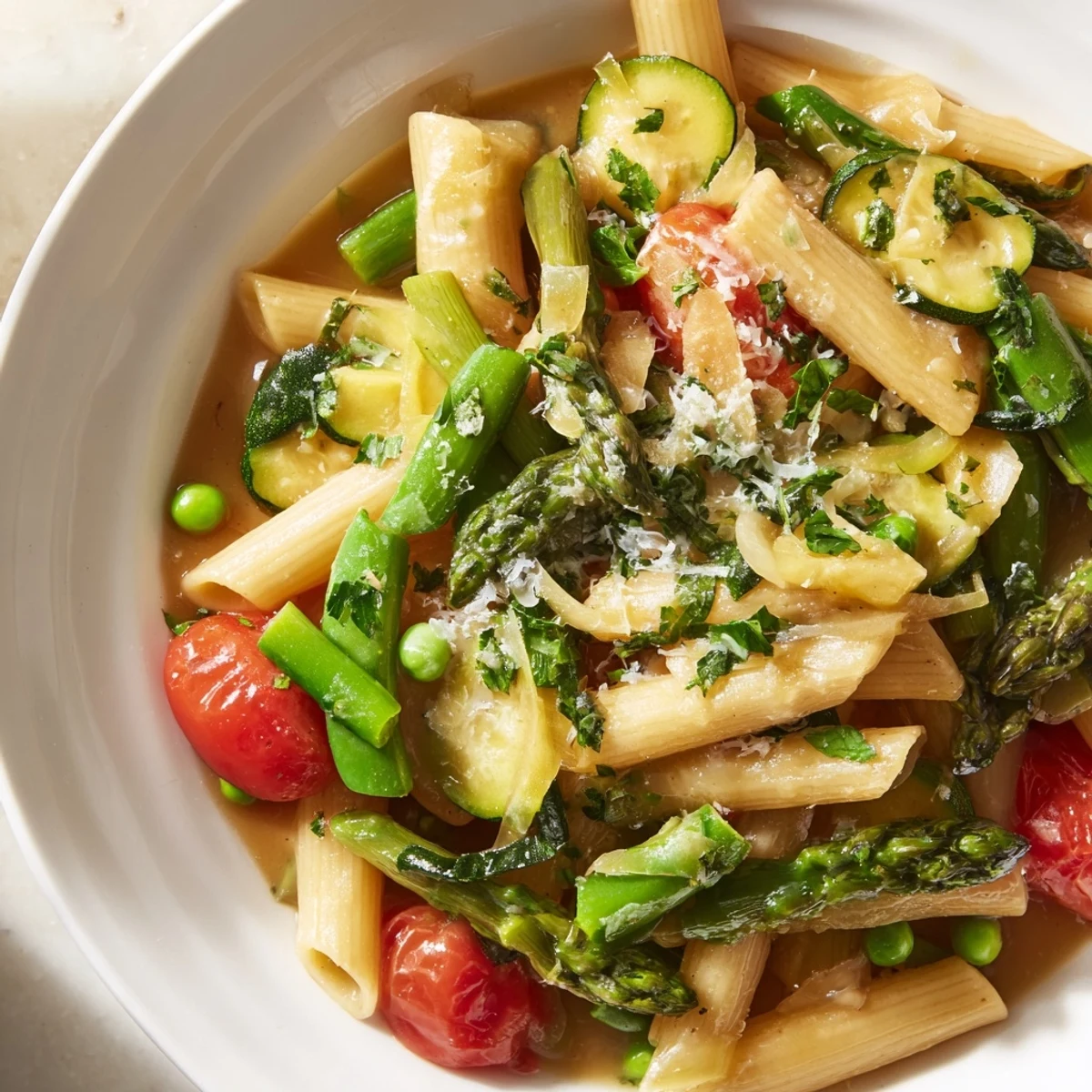
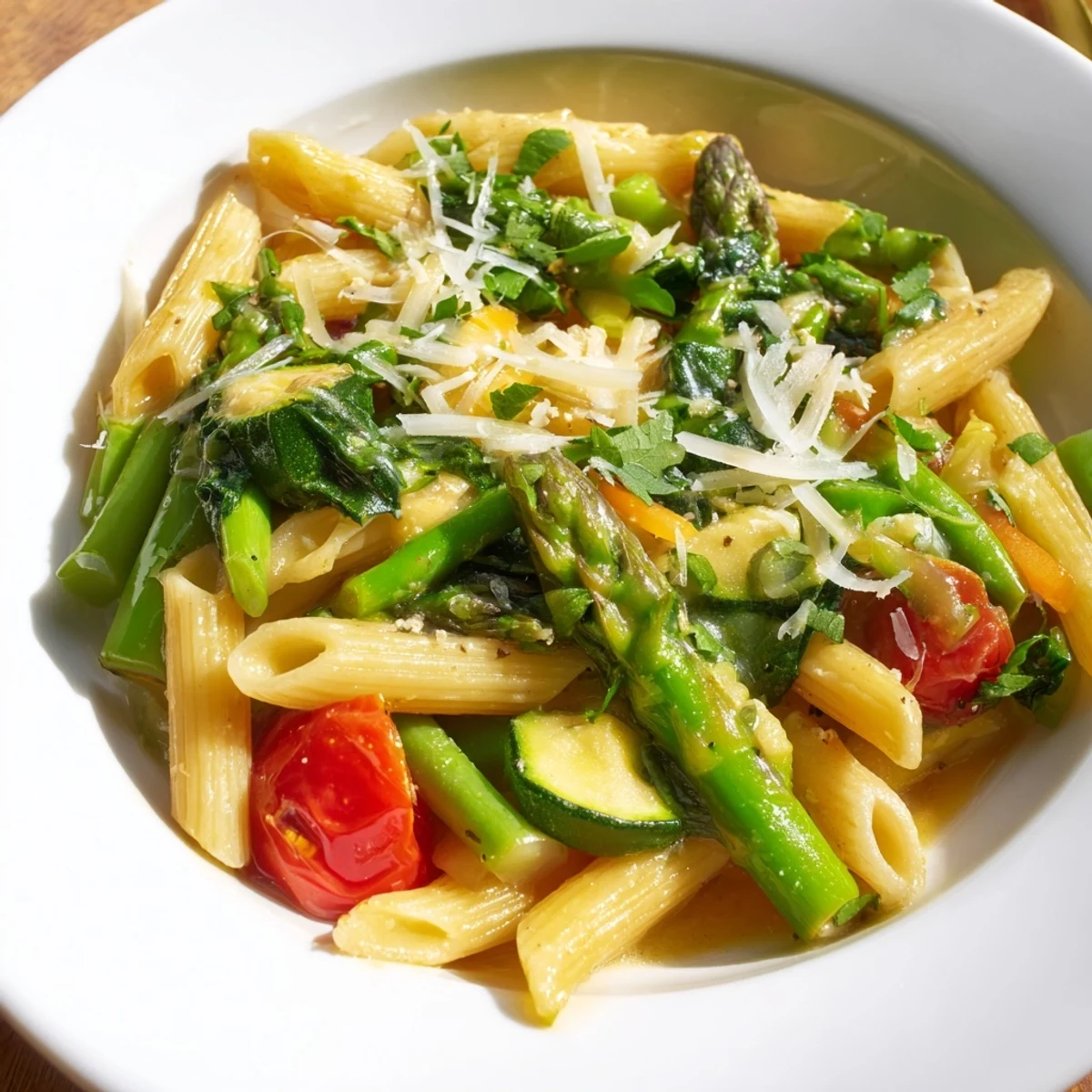
 This one-pot pasta combines tender penne with vibrant spring vegetables including asparagus, sugar snap peas, zucchini, baby spinach, and cherry tomatoes. The pasta cooks directly in vegetable broth, absorbing flavor as it simmers alongside the vegetables. Fresh lemon zest, juice, and Parmesan add brightness and depth. Ready in just 35 minutes, this vegetarian Italian-inspired dish requires minimal cleanup and delivers tender, perfectly cooked pasta with crisp-tender vegetables in every bite.
The first time I made this pasta, I was skeptical about cooking everything in one pot. I'd always been taught that pasta needs its own pot of boiling water, plenty of room to swim, and constant attention. But that Tuesday evening, when I'd barely had energy to think about dinner, this method saved me. The sauce that developed from the starch and vegetable broth was something I hadn't achieved with years of traditional cooking.
Last spring, my sister came over for dinner and watched me make this. She kept asking when I was going to drain the pasta, when I was going to make the sauce separately. When we sat down to eat, she took one bite and went quiet. The way the lemon brightened everything, how the pasta had absorbed all those vegetable flavors, she got it. Now it's the first thing she asks for when she visits.
Ingredients
- 340 g (12 oz) penne or fusilli pasta: Short pasta catches the vegetable pieces well, and the ridges hold onto that creamy sauce that forms as the starch releases into the broth
- 1 liter (4 cups) low-sodium vegetable broth: Using low-sodium broth lets you control the seasoning since some will evaporate and concentrate as the pasta cooks
- 250 ml (1 cup) water: This extra liquid ensures the pasta has enough to cook through without becoming too salty or intense
- 1 cup asparagus, cut into 2.5 cm (1-inch) pieces: Cut them on an angle so they look nicer and cook more evenly
- 1 cup sugar snap peas, trimmed: Leave them whole or just halve them if they're large, they add such a satisfying crunch
- 1 cup zucchini, halved and sliced: Don't cut them too thin or they'll disappear into the dish
- 1 cup baby spinach: This goes in last so it just wilts, keeping that vibrant green color
- 1 cup cherry tomatoes, halved: They release just enough juices to add sweetness without making the dish watery
- 1 small leek, white and light green part, sliced: Leeks have this mellow sweetness that regular onions don't quite achieve
- 2 cloves garlic, minced: Fresh garlic makes such a difference here, don't even think about using jarred
- 2 tbsp olive oil: This coats the pasta at the end and brings all the flavors together
- 1 tsp lemon zest: The zest is where all the aromatic oils live, don't skip this step
- 2 tbsp lemon juice: Add this at the end to preserve the bright acidity
- 1/4 cup grated Parmesan cheese, plus more for serving: The umami from the Parmesan rounds out the spring vegetables beautifully
- Salt and black pepper, to taste: Taste as you go, since the broth provides some salt already
- 2 tbsp chopped fresh basil or parsley: I prefer basil for the sweetness, but parsley brings a nice fresh bite
Instructions
- Build the foundation:
- Heat that olive oil in your largest deep skillet or Dutch oven over medium heat, then add the sliced leek and minced garlic, stirring until they soften and become fragrant, about 2 minutes. You want them translucent, not browned.
- Start the pasta:
- Pour in the pasta, vegetable broth, and water, bring everything to a rolling boil, give it a good stir to make sure nothing sticks, then lower the heat to maintain a steady simmer. Let it cook, stirring occasionally so the pasta doesn't clump together, for about 8 minutes.
- Add the hearty vegetables:
- Toss in the asparagus pieces, sugar snap peas, and zucchini slices, keep the simmer going, and continue cooking for another 7 minutes, or until the pasta is tender and most of the liquid has been absorbed into a creamy sauce.
- Finish with the delicate ingredients:
- Stir in the spinach, cherry tomatoes, lemon zest, lemon juice, and Parmesan cheese, cooking for just 2 more minutes until the spinach has wilted and the tomatoes are warmed through.
- Season and serve:
- Taste the pasta and add salt and black pepper as needed, then remove it from the heat and sprinkle with those fresh herbs and extra Parmesan.
 Save to Pinterest
 This pasta became my go-to for spring dinners after a particularly exhausting week at work. I'd come home, pull whatever vegetables looked good from the market, and have dinner ready in under half an hour. The ritual of standing at the stove, stirring and watching the sauce come together, became something I looked forward to instead of another chore.
Making It Your Own
I've tried so many variations of this pasta depending on what I find at the farmers market. Fresh peas in their pods instead of snap peas, fava beans when they're in season, even green beans cut into pieces work beautifully. The method stays the same, but the flavors shift with the season.
What To Serve With It
A crisp white wine like Sauvignon Blanc or Pinot Grigio cuts through the richness perfectly. I'll sometimes serve a simple green salad with a vinaigrette alongside, but honestly, with all those vegetables, this pasta stands on its own as a complete meal.
Timing Your Vegetables
The secret is adding vegetables in stages based on how long they take to cook. I've learned the hard way that adding everything at once results in mushy asparagus and undercooked potatoes. Think about which vegetables need more time and which just need a quick kiss of heat.
- Add sturdy vegetables like carrots or fennel with the pasta at the beginning
- Save delicate greens like arugula or tender herbs for the very last moment
- Keep some vegetables raw for garnish, like radish slices or fresh pea shoots
 Save to Pinterest
 There's something so satisfying about a one-pot meal, especially one that tastes this fresh and vibrant. Spring in a bowl, really.
Your Recipe Questions
- → Can I use different pasta shapes?
-
Yes, penne and fusilli work beautifully as their ridges capture the light broth-based sauce. Short shapes like farfalle, rotini, or rigatoni are excellent alternatives.
- → What other spring vegetables can I add?
-
Fava beans, fresh peas, green beans, or artichoke hearts make wonderful additions. Substitute any of these for the existing vegetables or add them in for variety.
- → Is this suitable for meal prep?
-
The pasta will absorb more liquid as it sits, so store any leftovers in an airtight container. Add a splash of water or broth when reheating to restore the creamy consistency.
- → Can I make this vegan?
-
Simply omit the Parmesan cheese or replace it with a plant-based alternative. The dish remains flavorful and satisfying without dairy.
- → Why cook pasta directly in the broth?
-
Cooking pasta in vegetable broth allows the noodles to absorb flavor as they cook. The starch released into the liquid creates a naturally creamy sauce that coats every strand.