
 Save to Pinterest
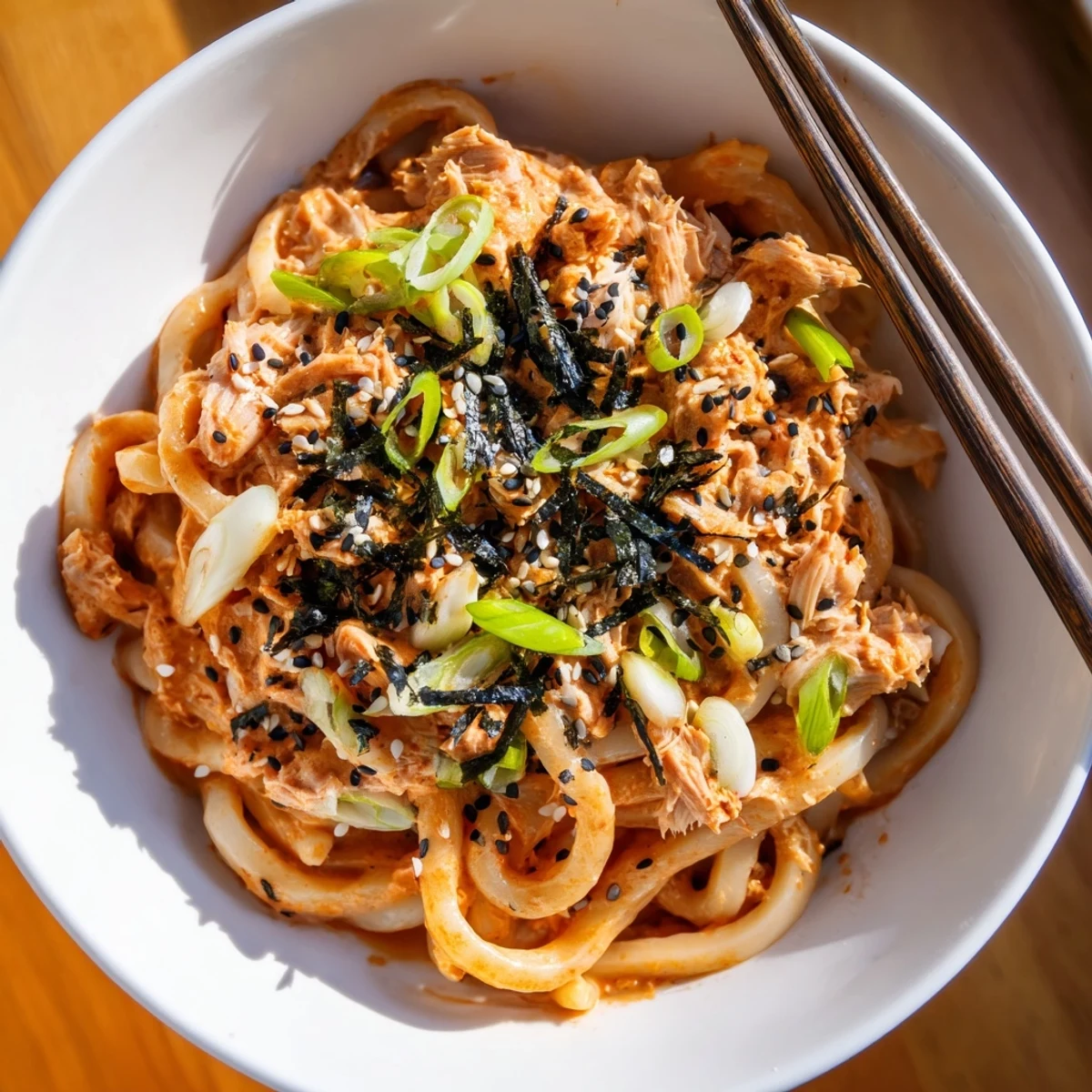
 Experience the perfect balance of thick, chewy udon noodles coated in a rich and creamy spicy tuna sauce. The combination of savory canned tuna mixed with Japanese mayonnaise and Sriracha creates an irresistible coating that clings to every strand.
Fresh aromatics like minced garlic and ginger add depth, while a finish of toasted sesame seeds and scallions brings texture and brightness. Ready in just 25 minutes, this bowl delivers restaurant-quality flavors with minimal effort.
There is something almost meditative about the sound of udon noodles slurping off chopsticks at midnight, when the kitchen is dark except for the stove light and nobody is asking you to share. Spicy tuna udon became my unofficial therapy dish during a particularly chaotic apartment move, when cooking anything elaborate felt impossible but instant ramen felt like surrender. The thick, bouncy noodles carry a sauce that is creamy, fiery, and deeply satisfying in a way that sneaks up on you.
A friend once stood in my kitchen watching me throw this together and said it looked like real cooking, which I think is the highest compliment for something that takes twenty five minutes from pantry to bowl.
Ingredients
- Canned tuna in water (5 oz): Drain it well and give it a gentle squeeze with the back of a spoon because excess water makes the sauce soupy instead of luscious.
- Japanese mayonnaise (2 tbsp): Kewpie is worth seeking out here since its richer egg yolk base and touch of MSG create a silkier sauce than standard mayo.
- Sriracha (1 tbsp): Adjust to your heat tolerance, but the full tablespoon balanced by the mayo creates a gentle warmth rather than an aggressive burn.
- Soy sauce (1 tsp for tuna, 2 tbsp for noodles): Splitting the soy sauce between the tuna mixture and the noodle pan ensures every layer is seasoned independently.
- Toasted sesame oil (1 tsp): A little goes a long way and adds that unmistakable nutty aroma that makes the kitchen smell like a tiny ramen shop.
- Lime juice (half tsp): Just a splash to brighten everything and cut through the richness of the mayo.
- Scallions (2 total): One folded into the tuna and one scattered on top for a fresh crunch that wakes up each bite.
- Fresh or frozen udon noodles (7 oz): Fresh udon has superior chew, but frozen works beautifully and is easy to keep on hand for emergency meals.
- Vegetable oil (1 tbsp): A neutral oil for sautéing so the sesame oil can shine as a flavoring rather than a cooking fat.
- Garlic (1 clove, minced) and ginger (1 tsp, grated): Fresh is nonnegotiable here since the jarred versions lack the sharp bite that makes the oil fragrant.
- Sugar (1 tsp): Balances the soy sauce and heat without making anything taste sweet.
- Sesame seeds (1 tsp): Toasted if possible, scattered at the end for a subtle crunch and visual appeal.
Instructions
- Build the spicy tuna:
- In a bowl, combine the drained tuna, mayonnaise, Sriracha, one teaspoon soy sauce, sesame oil, lime juice, and one sliced scallion. Fold gently with a fork until every flake is coated in that creamy, orange hued mixture, then set it aside to mingle while you handle the noodles.
- Cook the udon:
- Follow the package directions for your noodles, whether boiling fresh ones for two minutes or thawing frozen ones in hot water. Drain thoroughly because nobody wants a watery bowl diluting all that carefully built flavor.
- Wake up the aromatics:
- Heat vegetable oil in a pan over medium heat and add the minced garlic and grated ginger, stirring constantly for about a minute until your kitchen smells impossibly good and the garlic just starts to turn golden at the edges.
- Toss the noodles:
- Add the drained noodles to the pan along with two tablespoons soy sauce, the sugar, and a tablespoon of water, tossing everything with tongs or chopsticks for one to two minutes until the noodles are glossy and evenly coated.
- Bring it all together:
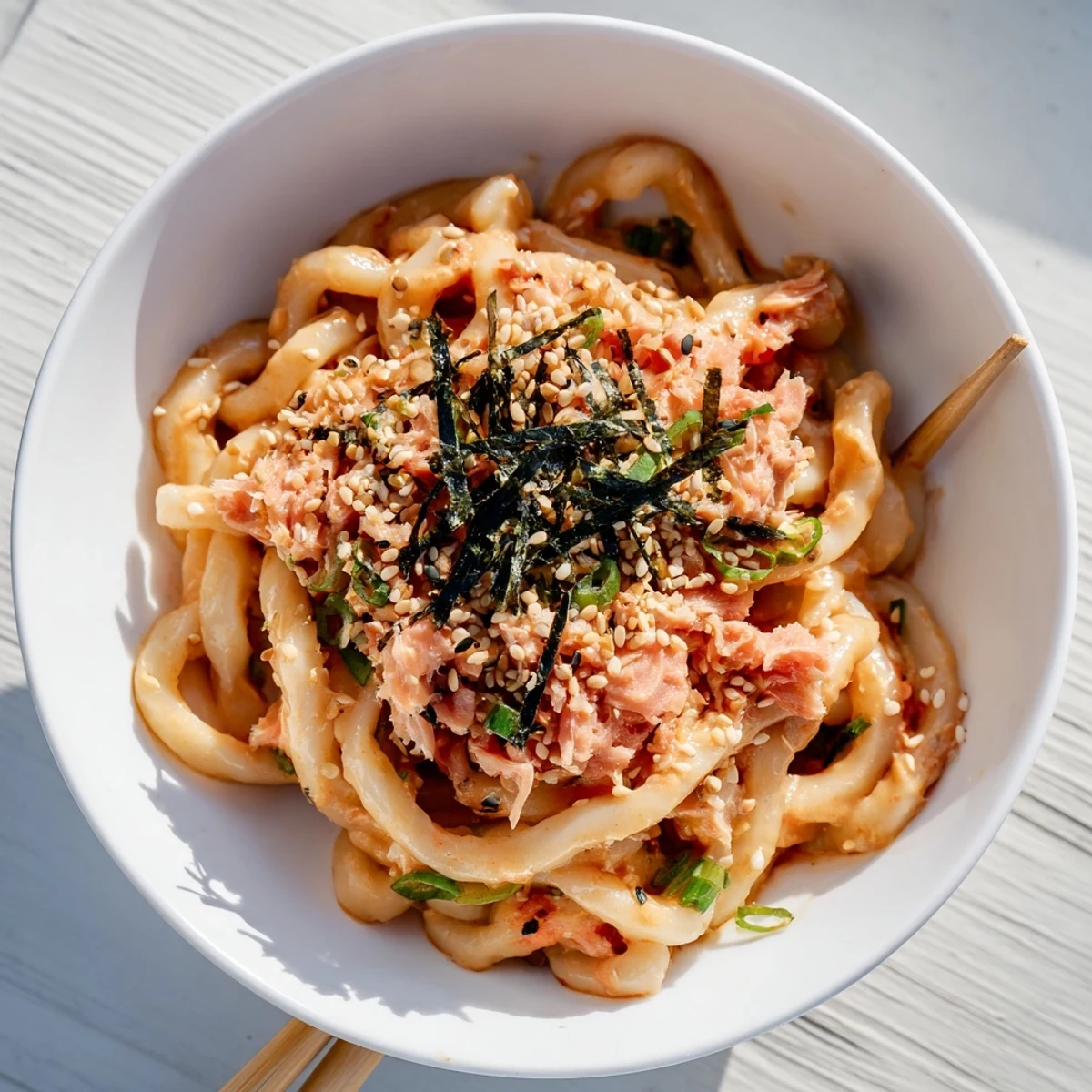
- Take the pan off the heat and fold in the spicy tuna mixture gently so it swirls through the noodles without breaking them down too much. Some people prefer to spoon the tuna on top instead, which looks beautiful and lets each person mix their own bowl.
- Garnish and serve:
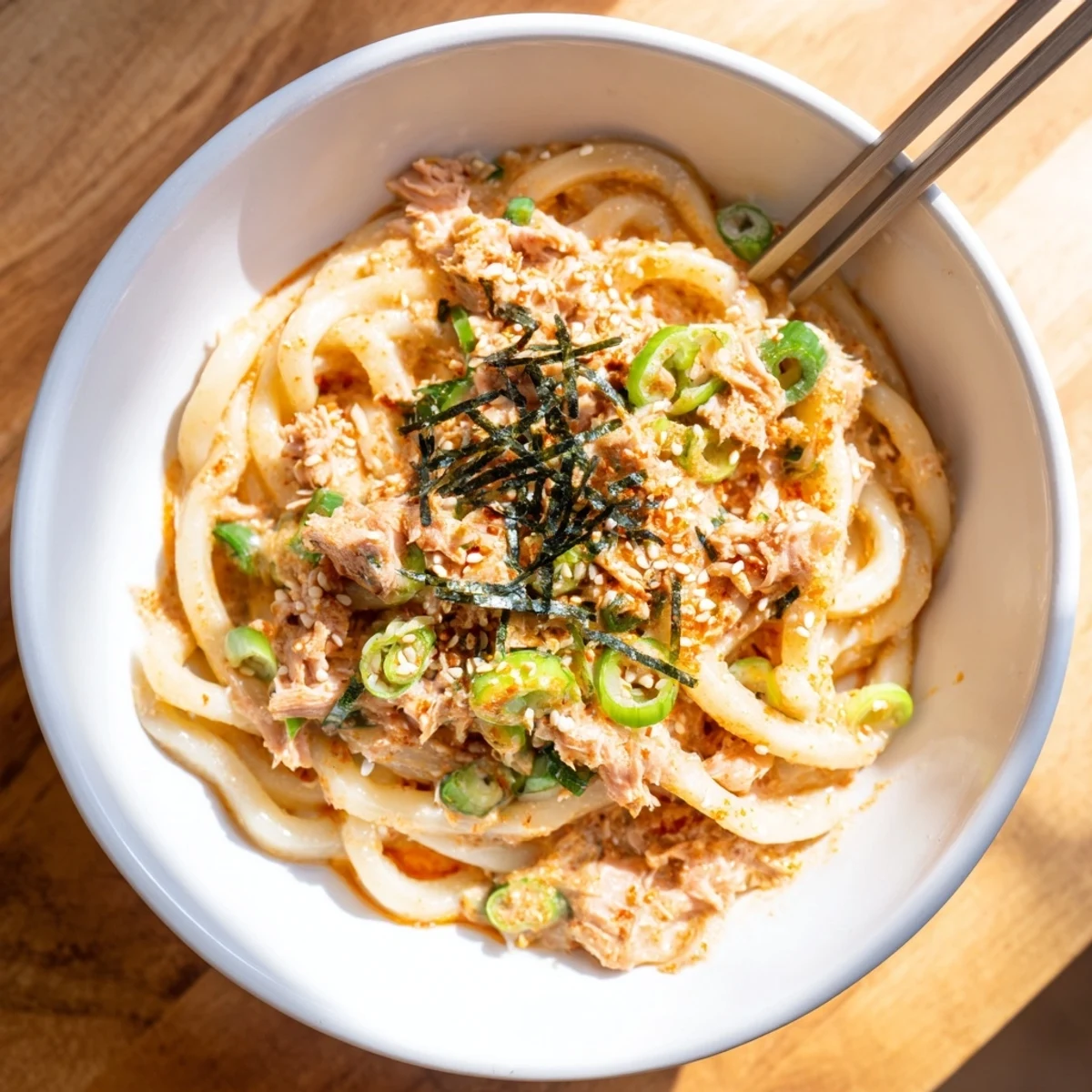
- Transfer to warm bowls and finish with extra scallions, sesame seeds, and shredded nori or chili flakes if you want. Serve immediately because udon waits for no one and the texture is best when piping hot.
 Save to Pinterest
 I have served this to skeptics who wrinkled their nose at canned tuna and watched them scrape the bowl clean every single time.
Making It Your Own
Swap the tuna for diced sushi grade aoi if you want something dressier, or mash chickpeas with vegan mayo for a plant based version that still hits the same creamy, spicy notes.
What to Serve Alongside
A quick cucumber salad with rice vinegar and a pinch of sugar provides a cool, crunchy contrast, while pickled ginger on the side cuts through the richness beautifully.
Storing and Reheating
This is best eaten immediately because the noodles absorb the sauce and soften as they sit, but leftovers will keep in the refrigerator for one day if you add a splash of water before reheating in a pan.
- Store the tuna mixture separately if you are meal prepping so the noodles do not get soggy.
- Reheat gently over medium low heat to avoid scrambling the mayonnaise based sauce.
- A fresh scatter of scallions and sesame seeds on the reheated bowl makes it feel brand new.
 Save to Pinterest
 Some dishes earn a permanent spot in your rotation not because they are impressive but because they are exactly what you need, exactly when you need them. This is that bowl.
Your Recipe Questions
- → Can I use fresh tuna instead of canned?
-
Yes, you can substitute canned tuna with fresh sushi-grade tuna diced into small cubes. Sear it quickly in the pan before tossing with the noodles for a premium version.
- → How spicy is this dish?
-
The spice level is moderate with 1 tablespoon of Sriracha. Adjust the heat by adding more or less chili sauce, or include extra chili flakes as a garnish.
- → What type of noodles work best?
-
Thick udon noodles are traditional and provide the best texture. Fresh or frozen udon both work well. You could substitute with thick ramen or soba noodles if needed.
- → Can I make this vegetarian?
-
Yes, replace the tuna with mashed chickpeas and use vegan mayonnaise. The texture and sauce consistency remain satisfying and flavorful.
- → How do I store leftovers?
-
Store in an airtight container in the refrigerator for up to 2 days. Reheat gently in a pan with a splash of water to refresh the noodles.