
 Save to Pinterest
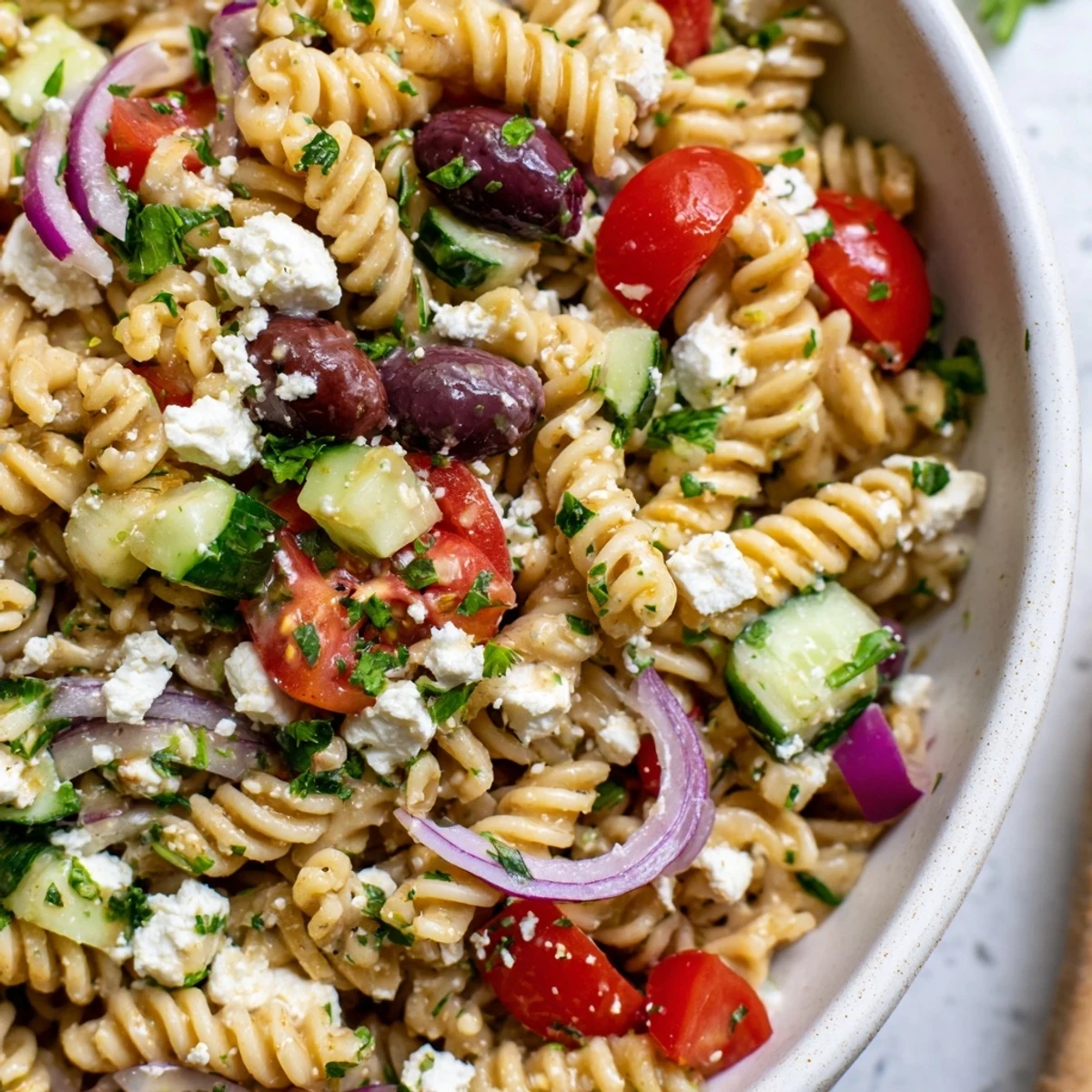
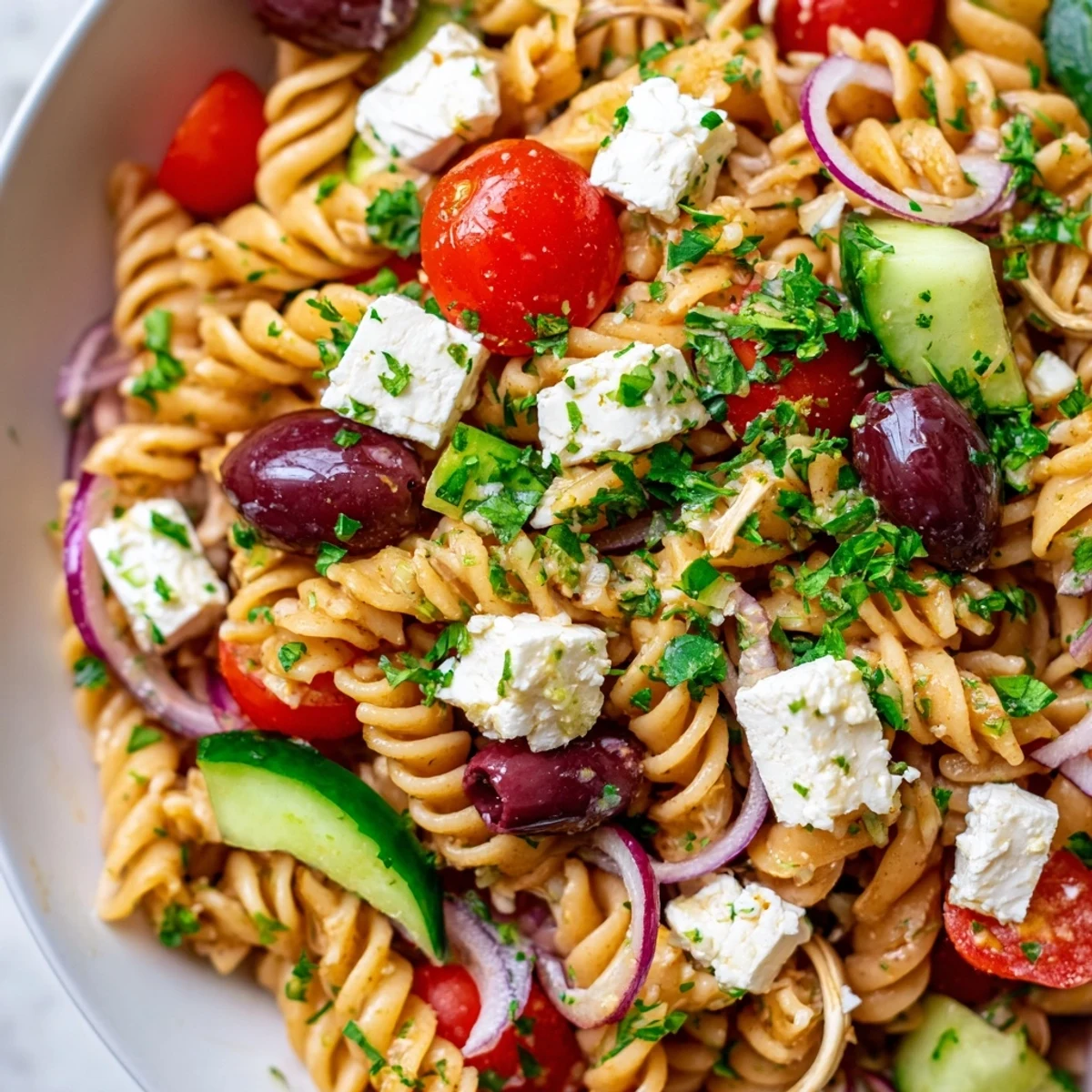
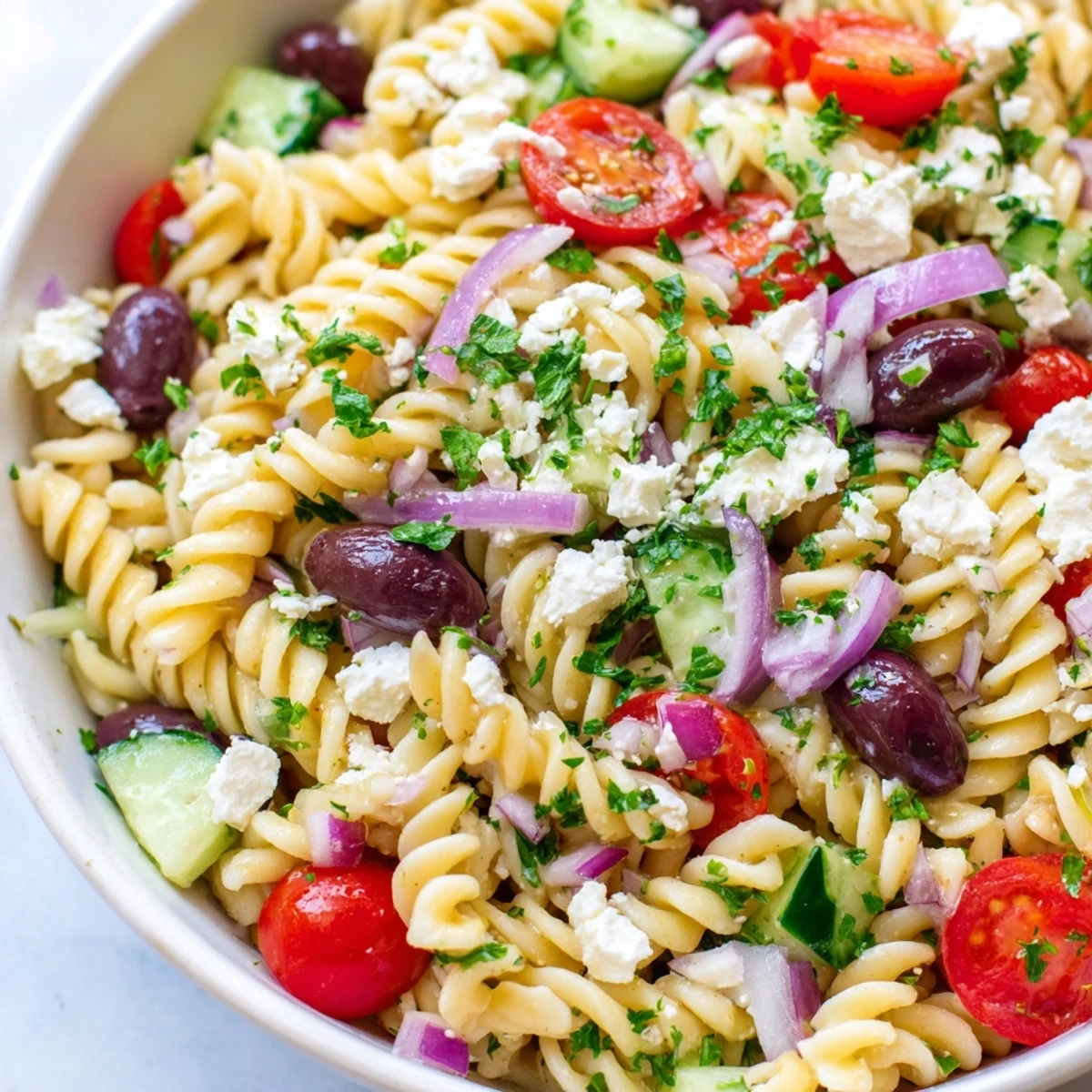
 This Mediterranean pasta brings together a colorful mix of cherry tomatoes, crisp cucumbers, red onions, bell peppers, Kalamata olives, and crumbled feta cheese. The simple dressing of extra virgin olive oil, red wine vinegar, garlic, and oregano brightens the dish with balanced, herbaceous flavors. It’s quick to prepare, served chilled or room temperature, making it perfect for warm weather meals. Garnished with fresh parsley, this pasta salad offers a delightful combination of textures and tastes that celebrate Mediterranean ingredients and ease of preparation.
There's something about standing in a sunny kitchen with a colander of still-warm pasta in your hands that makes you want to throw together everything bright and fresh within reach. One summer afternoon, I dumped some just-cooled penne into a bowl, added whatever vegetables were at their peak in my fridge, and without any real plan, created this salad that became the thing I'd make every single time someone said we needed something for a picnic. It wasn't fancy or fussy—just honest flavors talking to each other.
I made this for a beach day with friends who showed up hungry and skeptical about pasta salad—you know, the kind that sits in the sun and gets gloppy. But this stayed bright and crisp for hours, the acid from the vinegar keeping everything snappy, and by the end of the day it was gone and people were asking for the recipe. That's when I knew it wasn't just good—it was the kind of dish that solves the problem of feeding people without drama.
Ingredients
- Short pasta (penne, fusilli, or farfalle), 300 g (10 oz): These shapes catch the dressing in their twists and tubes—skip the long thin stuff because it just slides off your fork.
- Cherry tomatoes, 1 cup halved: Halving them instead of quartering means they stay intact and burst with juice when you bite them, not before they hit the bowl.
- Cucumber, 1 diced: English cucumbers have fewer seeds and thinner skin, so you don't have to peel them, but use whatever you have.
- Red onion, 1 small thinly sliced: Red onion stays crisp longer than white, and it adds a purple pop that makes the whole thing look alive.
- Red bell pepper, 1 diced: The sweetness balances the salt from the feta and olives—don't skip it thinking it's just filler.
- Kalamata olives, 100 g (3.5 oz) pitted and halved: Briny and meaty, these are the flavor anchors, so buy good ones and pit them yourself if you have the patience—the flavor difference is real.
- Feta cheese, 100 g (3.5 oz) crumbled: Cold and tangy, feta doesn't melt into the salad like softer cheeses, which is exactly why it works here.
- Extra virgin olive oil, 3 tbsp: Use oil you actually like tasting, because you taste it in every bite.
- Red wine vinegar, 2 tbsp: The acid keeps everything from feeling heavy—this is what makes it taste fresh hours later.
- Garlic, 1 clove minced: Raw garlic can be harsh, so mince it fine and let it sit in the vinegar for a minute before whisking—it mellows out.
- Dried oregano, 1 tsp: Mediterranean seasoning that bridges all the flavors together without any single one shouting.
- Salt and freshly ground black pepper, to taste: Taste as you go because feta and olives are already salty—you might need less than you think.
- Fresh parsley, 2 tbsp chopped: Just before serving, it adds a fresh green note that makes the whole salad feel lighter.
Instructions
- Boil the pasta until it's just shy of soft:
- Salted water matters more than you'd think—it seasons the pasta from the inside out. Pull it a minute before the package says so it has a little resistance when you bite it, because it'll soften slightly as it cools and sits in the dressing.
- Cool it down properly:
- Run it under cold water and shake it dry, or it'll keep cooking and get mushy. If you're in a hurry, spread it on a clean towel for a minute.
- Build the salad in one big bowl:
- Layer isn't necessary—just pile everything in: pasta, tomatoes, cucumber, onion, pepper, olives, and crumbled feta. This is where the salad comes together and you get excited about what you're about to taste.
- Make the dressing and dress the salad:
- Whisk the olive oil, vinegar, minced garlic, oregano, salt, and pepper until they're combined and smell amazing. Pour it over the salad while the pasta is still slightly warm so it drinks in the dressing instead of just sitting on top.
- Toss it gently and adjust the seasoning:
- Be gentle so the feta doesn't break apart too much and the vegetables stay distinct. Taste it and add more salt, pepper, or vinegar if you need to—trust your mouth, not the recipe.
- Finish with parsley and rest if you can:
- Fresh parsley goes in just before serving so it stays bright. If you have 30 minutes, chill it—the flavors settle and get friendlier with each other, and it's better cold than warm anyway.
 Save to Pinterest
 The moment that hooked me on this salad was watching someone's face brighten when they realized it was light and filling at the same time—they didn't feel heavy afterward, which in summer is everything. It became the dish I could make with my eyes closed, and somehow that freedom made it taste better every time.
Why This Salad Works in Summer
Cold pasta salads can be limp and forgettable, but this one stays bright because of how the vinegar acts like a preservative—the acid keeps the vegetables from getting soft and everything from turning gray. The feta doesn't melt, the olives don't lose their bite, and the cherry tomatoes somehow stay firm even after hours of sitting. It's the kind of salad that tastes intentional no matter when you eat it, whether that's fifteen minutes after you make it or three hours later at a picnic table with the sun getting low.
Make It Your Own
The recipe I've given you is a starting point, not a rulebook. Some people add grilled chicken because they want more protein and don't mind the extra weight on a warm day. Others throw in chickpeas straight from a can for the same reason, rinsed and drained so they're cold. I've seen it made with mixed olives instead of just Kalamata, with crumbled goat cheese instead of feta, with lemon instead of vinegar, with fresh mint instead of parsley. The backbone is always pasta, something acidic, something briny, and something fresh—everything else is negotiable depending on what's in your kitchen and what your mouth is craving.
Serving and Storing
This salad loves being transported—pack it in a container with the dressing already in it, and it travels better than you'd expect. If you're taking it to someone else's house, pack the parsley separately and stir it in when you arrive so it stays vibrant green instead of darkening. Leftovers keep in the fridge for up to three days, though by day three the pasta has softened and the vegetables are almost jammy, which some people (me included) actually prefer.
- Make sure the pasta is completely cool before dressing, or the heat will wilt everything and make it mushy.
- Taste and adjust the seasoning right before serving, because salt can taste different depending on temperature and time of day.
- If you forget to chill it and it's warm, it's still delicious—cold isn't mandatory, just better.
 Save to Pinterest
 This salad sits at the intersection of fussy and casual, which is why it works everywhere—a picnic, a potluck, a weeknight dinner when you're tired. It asks very little and delivers something that tastes like you tried, even when you didn't.
Your Recipe Questions
- → What type of pasta works best?
-
Short pasta shapes like penne, fusilli, or farfalle hold the dressing and mix well with the vegetables.
- → Can I make this dish ahead of time?
-
Yes, chilling the pasta allows flavors to meld beautifully, enhancing the overall taste.
- → How can I adjust the flavors?
-
Use extra fresh herbs or a splash more vinegar to brighten the salad according to your preference.
- → Are there suitable protein additions?
-
Incorporate grilled chicken or chickpeas to boost protein without overpowering the flavors.
- → Can I substitute ingredients for dietary needs?
-
Feta can be replaced with vegan cheese, and mixed olives offer variety for different flavor profiles.