
 Save to Pinterest
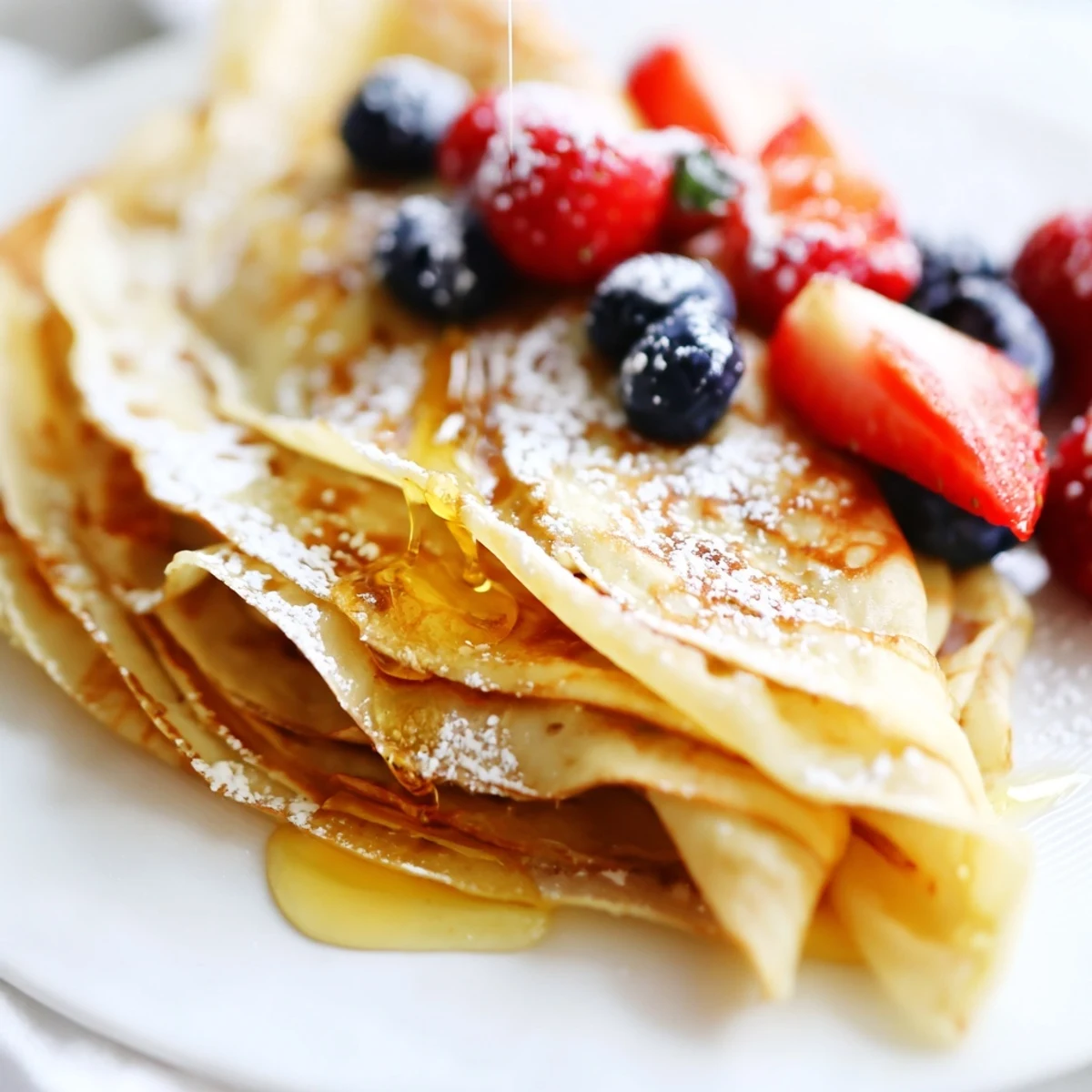
 These delicate French crepes feature a tender, lacy texture that comes from resting the batter before cooking. The technique involves whisking together flour, eggs, milk, and butter, then allowing the mixture to relax for at least 15 minutes—this crucial step ensures perfectly thin, pliable results. Cook each crepe in a buttered nonstick skillet until lightly golden, swirling the batter to create an even, delicate layer. Serve them warm while they're at their most tender, generously drizzled with golden honey that complements the subtle vanilla notes. Fresh berries and a dusting of powdered sugar make beautiful optional garnishes. The entire process takes just 30 minutes from start to finish, yielding eight to ten elegant crepes perfect for leisurely weekend breakfasts or impressive dessert presentations.
The morning sun was streaming through my kitchen window when I decided crepes were the only logical way to start Sunday. I'd been watching French cooking videos half the night, mesmerized by how chefs could coax such ethereal thinness from simple batter. My first attempt stuck tragically to the pan, but by the third try, something clicked—my wrist finally understood that gentle swirl motion. Now they've become my go-to when I want something that feels indulgent but comes together in minutes.
Last summer, my neighbor's daughter wandered over while I was flipping crepes, her nose twitching at the buttery smell. She sat at my counter watching each one turn golden, asking if she could try the very first one off the pan. I folded it around some strawberries and honey, and the way her eyes lit up made me realize crepes are basically edible magic tricks. Now whenever she smells butter heating, she knocks on my door with berries in hand.
Ingredients
- All-purpose flour: The foundation that gives structure without heaviness—sift it first for the silkiest batter
- Large eggs: Room temperature eggs blend more seamlessly into the batter
- Milk: Whole milk creates the richest crepes, though low-fat works in a pinch
- Unsalted butter: Melt it completely and let it cool slightly so it doesn't cook the eggs when you add it
- Granulated sugar: Just enough to hint at sweetness without making these dessert-only territory
- Salt: The secret ingredient that makes all the flavors pop
- Vanilla extract: Optional, but honestly, it transforms these from good to can't-stop-eating-them
- Honey: Warm it slightly before drizzling for that luxurious flowing effect
Instructions
- Whisk the dry foundation:
- Combine flour, sugar, and salt in a mixing bowl, breaking up any lumps so your batter stays silky smooth
- Blend the wet mixture:
- Beat eggs until frothy, then whisk in milk and vanilla until everything's incorporated
- Combine and rest:
- Pour wet into dry, whisking until smooth, then stir in melted butter—letting it rest for 15 minutes makes all the difference
- Heat your pan:
- Warm a nonstick skillet over medium heat until a drop of water sizzles, then brush lightly with butter
- Swirl and cook:
- Pour about 1/4 cup batter, tilting the pan in a circular motion to spread it thin and even
- Flip at the right moment:
- Wait until edges curl up and the bottom is golden, then flip with confidence—it only needs 30 seconds more
- Stack and serve:
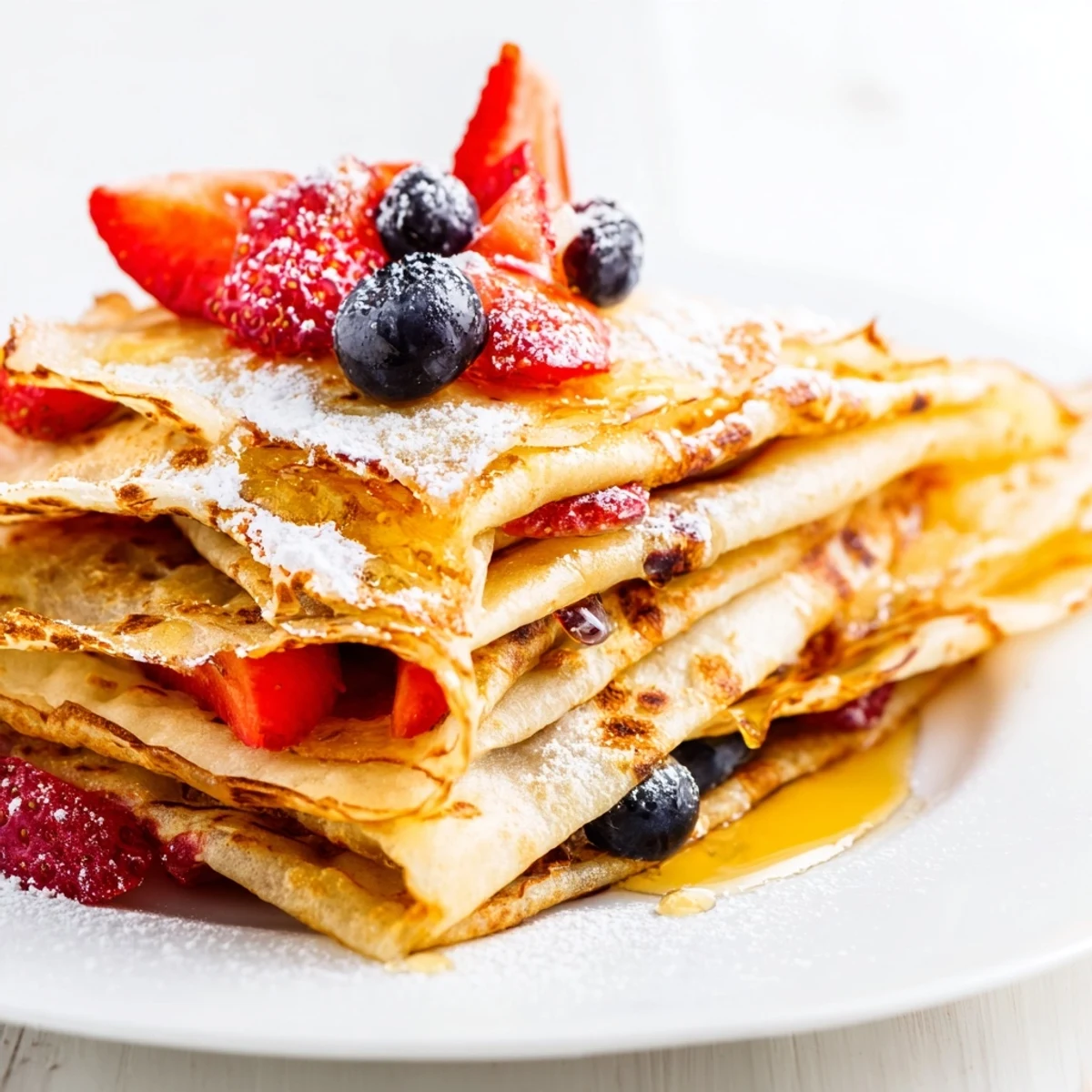
- Keep finished crepes warm under a clean towel, then drizzle with honey while they're still soft and pliable
 Save to Pinterest
 There's something almost meditative about finding your rhythm with crepe-making—the pour, the swirl, the flip, repeat. My sister called me once while I was mid-batch, asking why I sounded so relaxed. I told her I was just standing over a hot pan making breakfast, but honestly, it's become my version of therapy. The simple act of turning basic ingredients into something so elegant feels like a small win every single time.
The Art of the Swirl
Moving your wrist correctly takes practice, but once you get it, it's like riding a bike. The key is pouring the batter into the center of the pan, then tilting and rotating in one smooth motion rather than scraping with a spatula. I've learned to work quickly since thin batter sets faster than you expect. If you end up with bare spots, don't stress—a little extra butter fills those right in.
Storage Solutions
Crepes are surprisingly forgiving about leftovers, which means you can make a double batch without pressure. Stack them between sheets of wax paper and refrigerate for up to three days, or freeze them for months. When you're ready to eat, just warm them gently in the microwave for 15 seconds. They'll taste just as tender as when they first hit the plate.
Perfect Your Technique
After years of making these, I've realized that pan temperature matters more than any other factor. Too hot and they brown before cooking through, too cool and they become rubbery disappointments. I keep my heat at medium-low and adjust as needed—sometimes I even remove the pan from heat for 10 seconds between crepes. Watch how the batter sets and trust what you see more than the clock.
- Use a ladle or measuring cup for consistent portion sizes every time
- Don't worry about edges being ragged—that's part of their rustic charm
- If your batter thickens after resting, whisk in a tablespoon of milk to loosen it
 Save to Pinterest
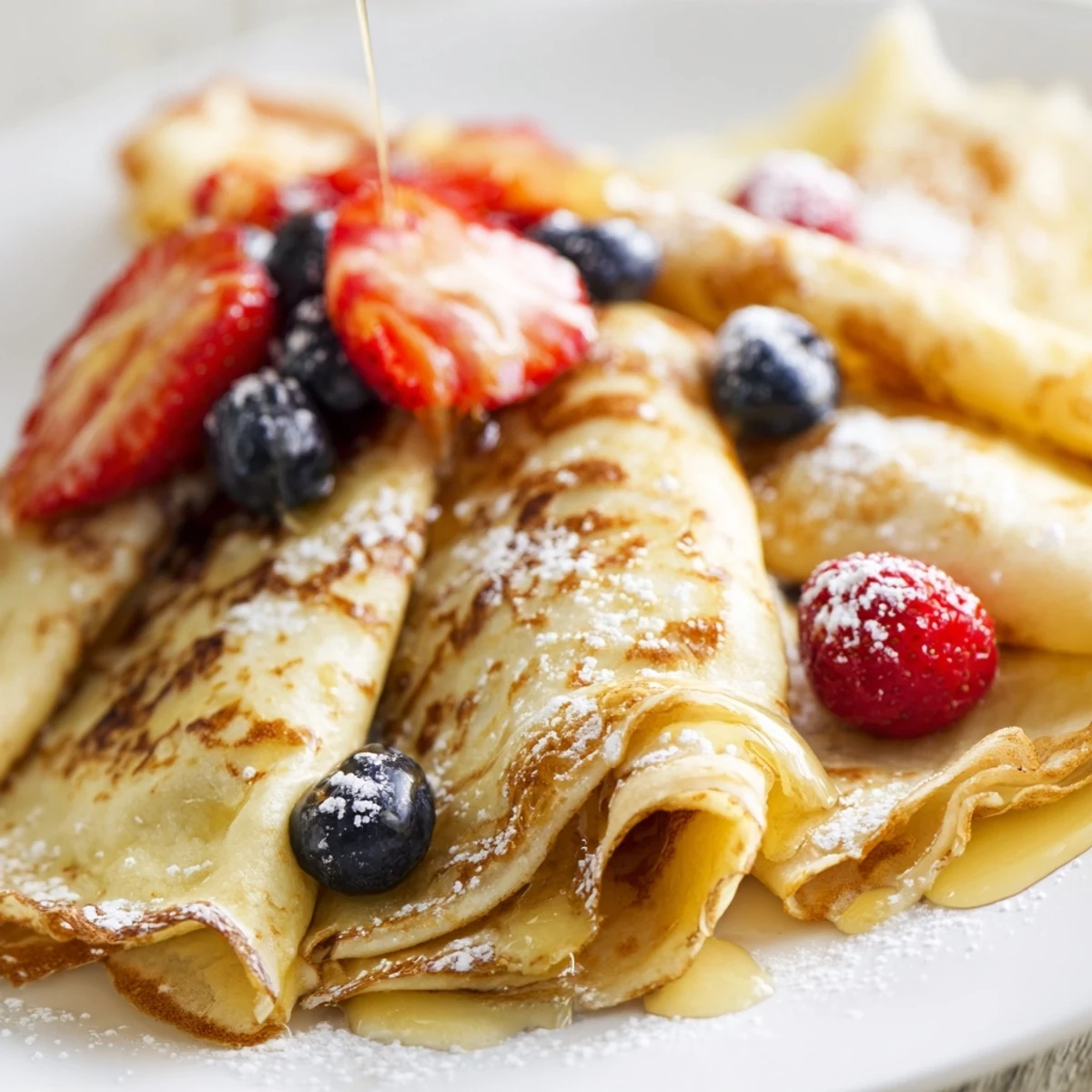
 Whether you're serving these to special guests or just treating yourself on a Tuesday morning, honey-drizzled crepes have a way of making everything feel a little more magical. That first warm bite, with sweet honey soaking into tender folds, is simple perfection.
Your Recipe Questions
- → Why should I rest the crepe batter?
-
Resting the batter for at least 15 minutes allows the flour to fully hydrate and the gluten to relax, resulting in tender, delicate crepes that won't tear during cooking. Up to one hour of resting time yields even better texture.
- → How do I know when to flip the crepe?
-
The crepe is ready to flip when the edges begin to lift gently from the pan and the underside turns a light golden color. This typically takes 1–2 minutes over medium heat.
- → Can I make the batter ahead of time?
-
Yes, the batter can be prepared up to 24 hours in advance and stored covered in the refrigerator. In fact, overnight resting often improves the texture even more.
- → What's the best way to keep crepes warm while cooking?
-
Stack cooked crepes on a plate and cover loosely with aluminum foil or place in a warm oven at 200°F. This keeps them tender and prevents them from drying out.
- → Can I freeze leftover crepes?
-
Absolutely. Place wax paper or parchment between each crepe, stack them, wrap tightly in plastic, and freeze for up to 2 months. Thaw in the refrigerator before reheating gently.