 Save to Pinterest
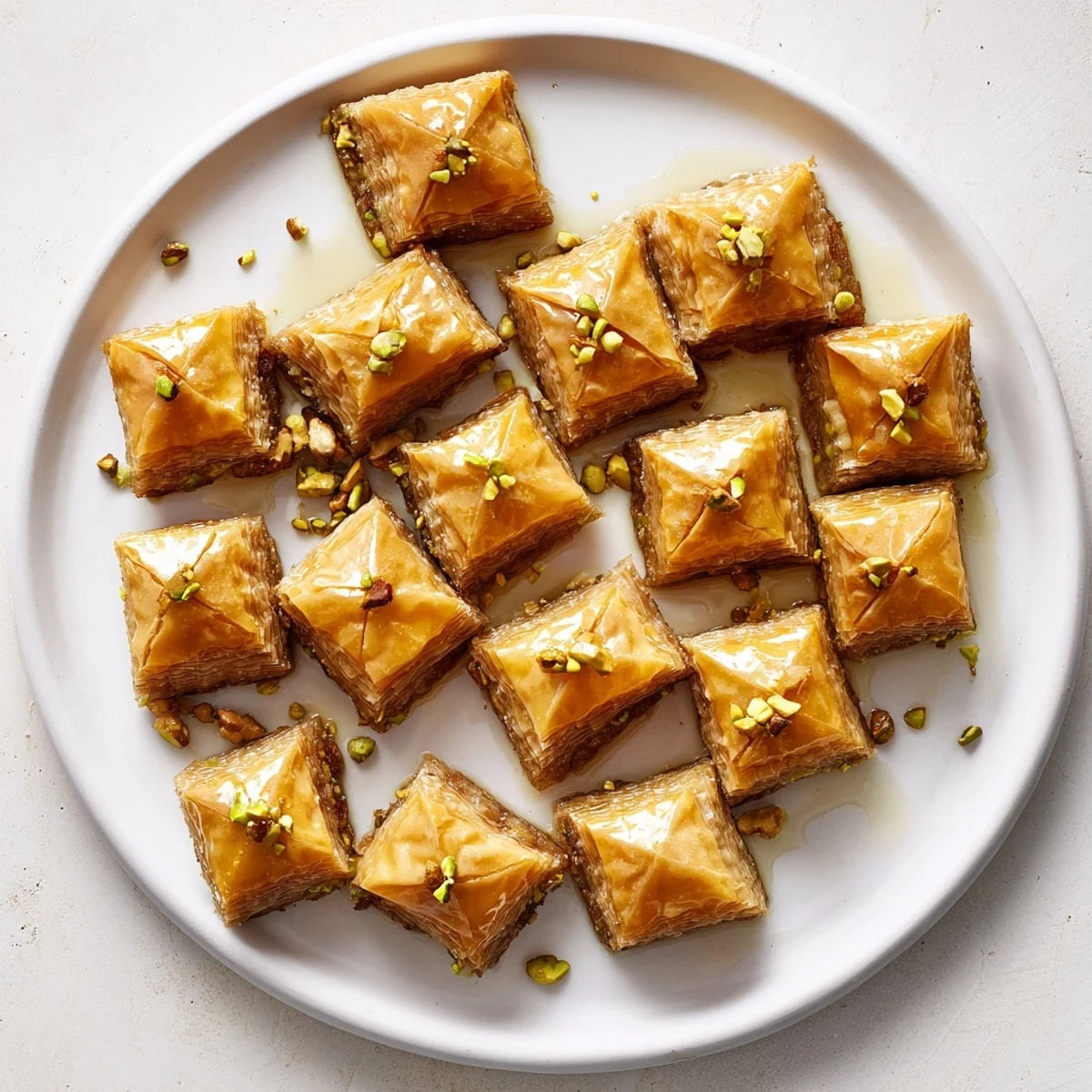
 This traditional Middle Eastern dessert features delicate phyllo pastry layered with a mixture of walnuts, pistachios, almonds, sugar, and cinnamon. After baking until golden, the pastry is drenched in a warm syrup made from water, sugar, honey, lemon juice, and cinnamon stick. The result is an irresistibly crisp, sticky, and fragrant sweet that balances rich buttery flavors with bright citrus and floral notes.
The first time I attempted baklava, I ended up with butter dripping onto my oven floor and phyllo sheets drying out faster than I could work. My grandmother watched me struggle with the delicate pastry, finally stepping in to show me how the old country women handle these paper thin layers without panic.
I brought a tray to a neighborhood gathering last fall, and someone actually asked which bakery I had visited. Watching their faces when I explained I had made it myself that morning was better than any compliment I could have planned for.
Ingredients
- Phyllo dough: Keep it covered with a damp towel while working, because dried out sheets will tear and frustrate you endlessly
- Unsalted butter: Melt it completely and let it cool slightly so it does not cook the pastry as you brush
- Walnuts, pistachios, and almonds: The triple nut combination creates layers of flavor that single nut versions cannot match
- Granulated sugar and cinnamon: This simple duo transforms the nuts into something aromatic and essential
- Water, sugar, and honey: The honey adds floral depth that plain sugar syrup cannot achieve alone
- Lemon juice: Just enough acidity to cut through the sweetness and keep the syrup from becoming cloying
- Cinnamon stick and orange peel: These infuse the syrup with warm citrus notes while it simmers
Instructions
- Prepare your workspace and oven:
- Preheat to 180°C (350°F) and butter your 23x33 cm baking dish thoroughly, then clear a large counter space because phyllo demands room to breathe
- Mix the nut filling:
- Combine walnuts, pistachios, almonds, sugar, and cinnamon in a bowl until evenly distributed
- Get ready to layer:
- Unroll your phyllo and immediately cover with a damp towel, keeping only the sheets you are actively using exposed
- Build the foundation:
- Lay down 8 sheets of phyllo, brushing each generously with melted butter before adding the next, because this base layer needs to be sturdy
- Add the first nut layer:
- Sprinkle about one third of your nut mixture evenly across the phyllo, taking care to cover the corners
- Continue layering:
- Add 4 more buttered phyllo sheets, then spread half the remaining nuts, followed by 4 more buttered sheets and the final nut layer
- Finish with a top crust:
- Layer the remaining phyllo sheets, buttering each one thoroughly because the top layer needs to become golden and shatteringly crisp
- Cut before baking:
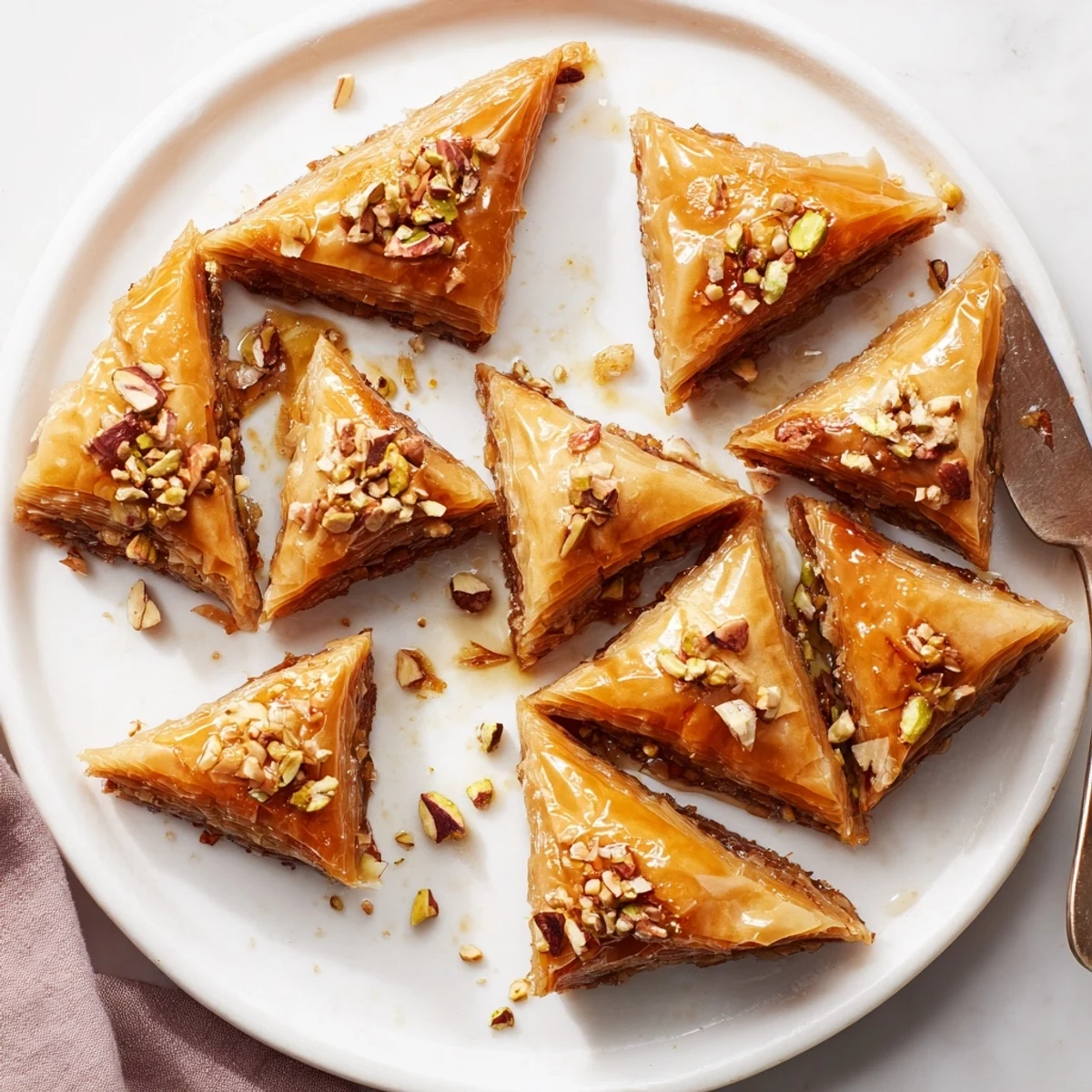
- Use your sharpest knife to cut diamonds or squares all the way through, because cutting after baking will crush the delicate layers
- Bake until golden:
- Cook for 35 to 40 minutes until the top turns deep golden brown and you can smell the butter and nuts caramelizing
- Simmer the syrup:
- While baklava bakes, combine water, sugar, lemon juice, honey, cinnamon stick, and orange peel in a pan, then boil and simmer for 10 minutes
- The crucial moment:
- Remove cinnamon and peel from syrup, then pour the warm syrup slowly over the hot baklava the moment it comes out of the oven
- Patience pays off:
- Let the baklava cool completely so every layer can drink in the syrup, otherwise the middle will remain dry and crisp while the bottom gets soggy
 Save to Pinterest
 My sister called me at midnight after trying this recipe for the first time, demanding to know why I had never made it for our family holidays before. Now it appears at every gathering, and I have accepted that I will be making baklava forever.
Working With Phyllo Without Tears
The secret is moving quickly but calmly, keeping unused sheets covered, and accepting that a few tears will not ruin the final result. Ripped sheets can be patched together, and the butter will hide most imperfections.
Making It Your Own
I have experimented with adding cardamom to the nut mixture or swapping orange blossom water for the lemon juice, and each variation brings something different to the table. The classic version is perfect, but personal touches make it yours.
Serving And Storage
Baklava keeps remarkably well at room temperature for several days, actually improving as the flavors meld and the texture settles. Serve it at room temperature rather than chilled for the best texture experience.
- Use a sharp knife and clean cuts for the most professional appearance
- Pair with strong black coffee or mint tea to balance the sweetness
- Store in an airtight container with parchment paper between layers if you need to stack
 Save to Pinterest
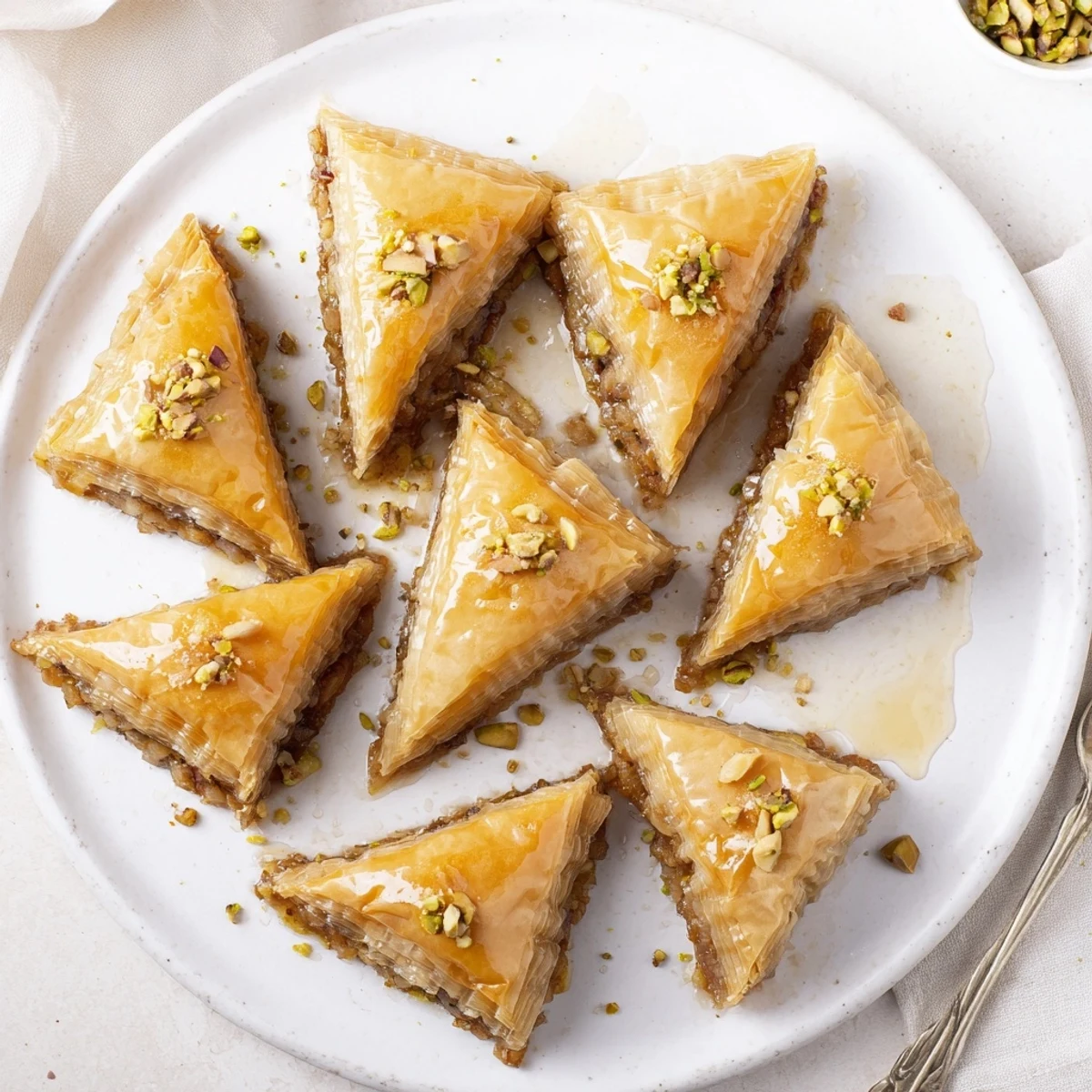
 There is something deeply satisfying about cutting into that first diamond and hearing the crisp crackle of perfectly made baklava. Enjoy every sticky, sweet bite of your accomplishment.
Your Recipe Questions
- → How do I keep phyllo dough from drying out?
-
Keep unused phyllo sheets covered with a damp kitchen towel while working. Uncover only when ready to layer, and work quickly to prevent the delicate pastry from becoming brittle.
- → Can I make baklava ahead of time?
-
Yes, baklava tastes even better after sitting overnight. Store at room temperature in an airtight container for up to 5 days. The flavors meld and the texture becomes more tender.
- → Why is my baklava soggy?
-
Soggy baklava usually results from pouring cold syrup onto hot pastry, or not baking long enough. Ensure the pastry is golden and crisp before removing from the oven, and pour slightly cooled syrup over hot baklava.
- → What nuts work best in baklava?
-
Walnuts and pistachios are traditional choices, offering complementary flavors and colors. Almonds add subtle sweetness. Hazelnuts or pecans make excellent alternatives based on your preference.
- → Should I cut baklava before or after baking?
-
Cut before baking using a sharp knife. This ensures clean edges and allows the syrup to penetrate between layers during soaking. Cut all the way through to the bottom of the pan.
- → How do I know when the syrup is ready?
-
The syrup should simmer for 10 minutes until slightly thickened. It should coat the back of a spoon but still pour easily. Let it cool slightly before pouring over the hot pastry.