
 Save to Pinterest
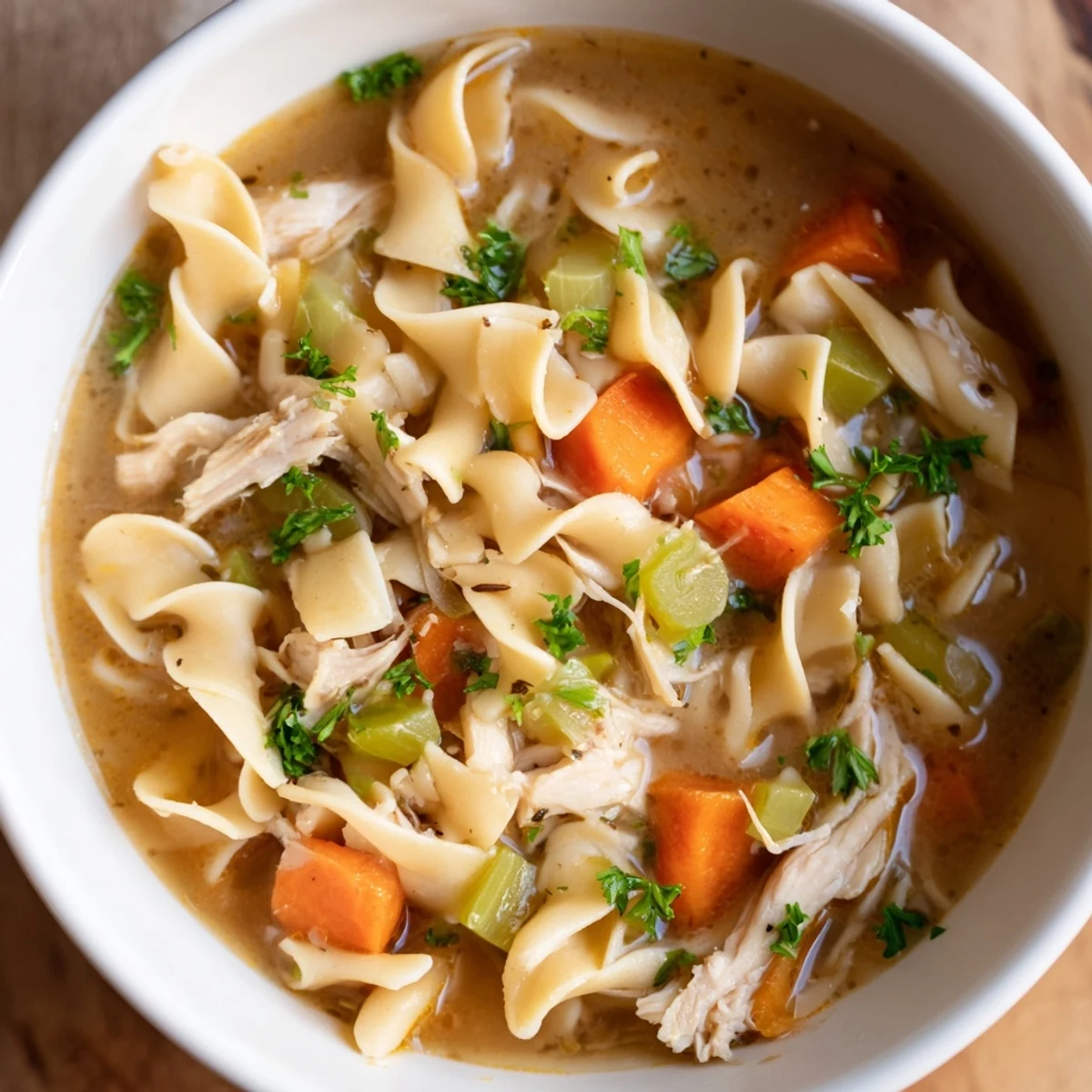
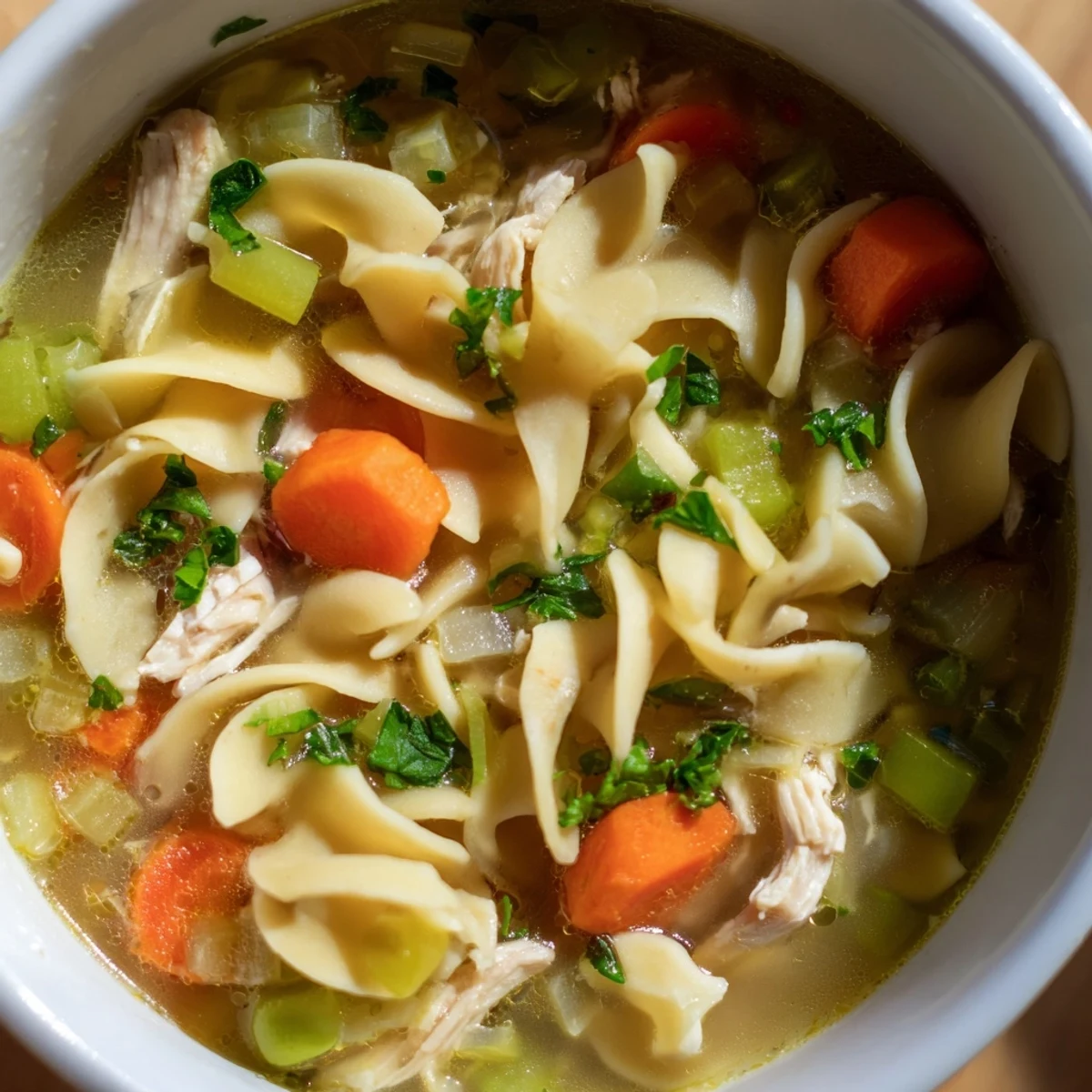
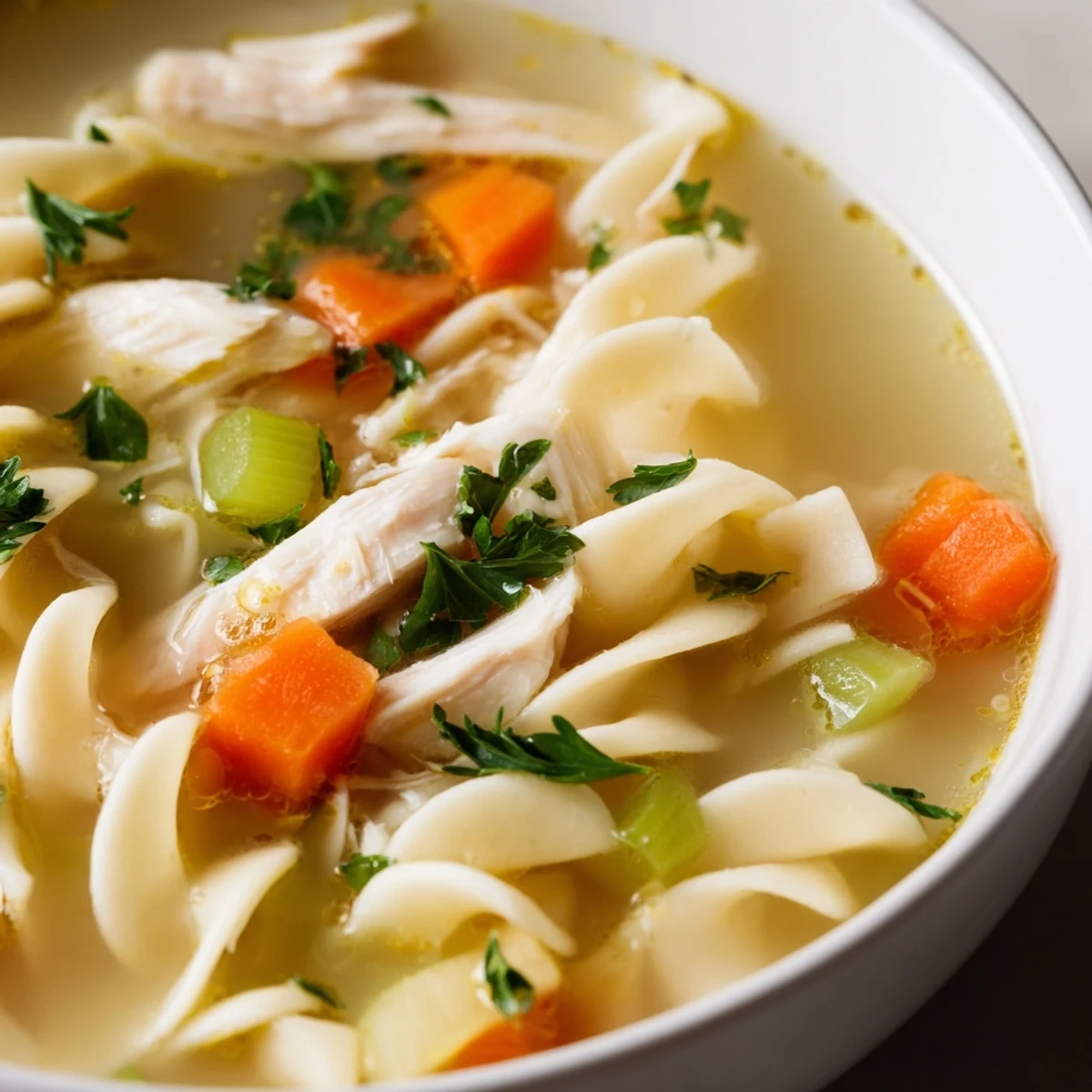
 This comforting bowl combines diced chicken breast, egg noodles, and a colorful mix of carrots, celery, green beans, and peas. Simmered in a savory chicken broth with herbs like thyme and bay leaf, it creates a hearty meal. Finished with fresh parsley and a squeeze of lemon, this classic soup is ready in under an hour.
There's something about the smell of sautéed onions and celery that stops me mid-thought, no matter what I'm doing. One rainy afternoon, I found myself throwing together whatever vegetables were in my crisper drawer with some leftover chicken and broth, and what emerged was this soup—simple, warm, and exactly what I needed. It became the dish I make when someone's under the weather, when the kitchen needs to feel like home, or when I just want to sit with a bowl and breathe steam for a while.
I remember making this for my neighbor's family during their first week in the house—they'd shown up with cookies, and I wanted to show up with something warm. The kids asked for seconds, and the dad said it reminded him of his grandmother's kitchen. That's when I knew this soup does more than fill you up; it reaches back to something familiar in everyone.
Ingredients
- Boneless, skinless chicken breasts (about 400 g, diced): The key is dicing them into roughly even pieces so they cook at the same rate and stay tender in the broth.
- Carrots and celery (2 medium carrots sliced, 2 stalks diced): These form the aromatic base and add natural sweetness; don't skip the sauté step, it builds flavor.
- Onion (1 medium, finely chopped): This melts into the broth and becomes the backbone of the whole soup.
- Green beans (1 cup, cut into 2 cm pieces): They hold their shape beautifully if you add them before the noodles, giving you pockets of freshness in every spoonful.
- Frozen peas (1 cup): No need to thaw; they cook through in minutes and add bright color and subtle sweetness.
- Garlic (2 cloves, minced): Add it after the softer vegetables so it doesn't burn and turn bitter.
- Egg noodles (150 g, about 5 oz): They should be tender but not falling apart; timing matters here, so taste as they cook.
- Low-sodium chicken broth (1.5 liters, 6 cups): This is your foundation; starting with good broth means the soup tastes like itself, not a concentrated seasoning packet.
- Bay leaf, dried thyme, and dried parsley (1 bay leaf, 1/2 teaspoon each): These add depth without overpowering; the bay leaf is removable, a built-in reminder to adjust seasoning at the end.
- Fresh parsley, chopped (2 tablespoons): Stir this in just before serving so it stays bright and doesn't disappear into the warm liquid.
- Lemon juice (from 1/2 lemon, optional): A squeeze at the end lifts everything and reminds you why acid is a cook's secret weapon.
Instructions
- Build your flavor base:
- Heat a large pot over medium heat and sauté the onion, carrots, and celery for 4–5 minutes until they soften and lose their raw edge. This step isn't about speed; let them caramelize slightly so they sweeten and deepen the broth's flavor.
- Toast the garlic and sear the chicken:
- Stir in the minced garlic and cook for just 1 minute until fragrant, then add the diced chicken. Let it cook for 4–5 minutes, stirring occasionally, so the outside turns golden and sealed but the inside stays juicy. You're building layers of flavor, not cooking the chicken through.
- Bring it all together:
- Pour in the chicken broth and add the bay leaf, dried thyme, and parsley. Turn up the heat until you see a gentle boil, then lower it to a simmer.
- Cook the vegetables:
- Add the green beans, cover the pot, and let everything simmer for 15 minutes. The green beans soften without losing their color, and the chicken finishes cooking gently in the simmering broth.
- Finish with noodles and peas:
- Add the egg noodles and frozen peas, stirring so nothing sticks to the bottom. Simmer uncovered for 8–10 minutes, tasting a noodle near the end to catch them at that sweet spot when they're tender but still have a whisper of texture.
- Season and serve:
- Fish out the bay leaf, then taste and season with salt, pepper, and a squeeze of lemon if you have it. Stir in the fresh parsley right before ladling into bowls so it stays vibrant and green.
 Save to Pinterest
 I've noticed that the best moments with this soup happen when someone comes into the kitchen while it's simmering and just stops, drawn in by the smell. It's become a soup that asks people to sit down, slow down, and remember that sometimes the simplest meals are the ones that matter most.
Why This Soup Works
The magic here isn't in fancy ingredients or complicated techniques—it's in the balance between broth, vegetables, and noodles, and in the respect you show each ingredient. The chicken stays tender because you don't overwork it, the vegetables soften without falling apart, and the noodles taste like they belong in the bowl instead of swimming separately. When you make it twice, you'll understand why it works, and you'll feel confident making it your own.
Ways to Make It Your Own
This soup is a starting point, not a rule. I've made it with chicken thighs instead of breasts when I wanted deeper flavor, and the bone-in version is worth the small effort of removing bones before serving—the broth becomes silky. Some winters I add diced potatoes or corn for more body, and once I stirred in a handful of spinach at the very end and felt like I'd invented something new. The beauty of this soup is that it takes your changes seriously.
Serving and Storage
Serve this soup hot in deep bowls with crusty bread on the side for soaking up every last drop of broth. It keeps for three days in the refrigerator, though the noodles will absorb more liquid and soften—that's not a flaw, it's what happens when soup grows up. Freeze it in portions before adding the noodles, then cook fresh noodles when you reheat it if you want them to stay tender.
- A crusty baguette or saltine crackers are the perfect companion, turning soup into a complete meal.
- Leftover soup often tastes better the next day as the flavors meld and deepen, so don't hesitate to make extra.
- If you freeze portions, thaw overnight in the refrigerator rather than at room temperature to preserve flavor and texture.
 Save to Pinterest
 This soup has taught me that cooking doesn't have to be complicated to be meaningful. Make it, share it, and watch what happens.
Your Recipe Questions
- → Can I use different pasta?
-
Yes, whole wheat or gluten-free pasta works well as a substitute for egg noodles.
- → How do I store leftovers?
-
Store in an airtight container in the fridge for up to 3 days. Note that noodles may absorb broth.
- → Can I add other vegetables?
-
Absolutely, corn or diced potatoes can be added for extra heartiness.
- → Is it freezer friendly?
-
Yes, freeze without the noodles for best results, adding them when reheating.
- → Can I use dark meat?
-
Bone-in chicken thighs add richer flavor; just remove bones before serving.