
 Save to Pinterest
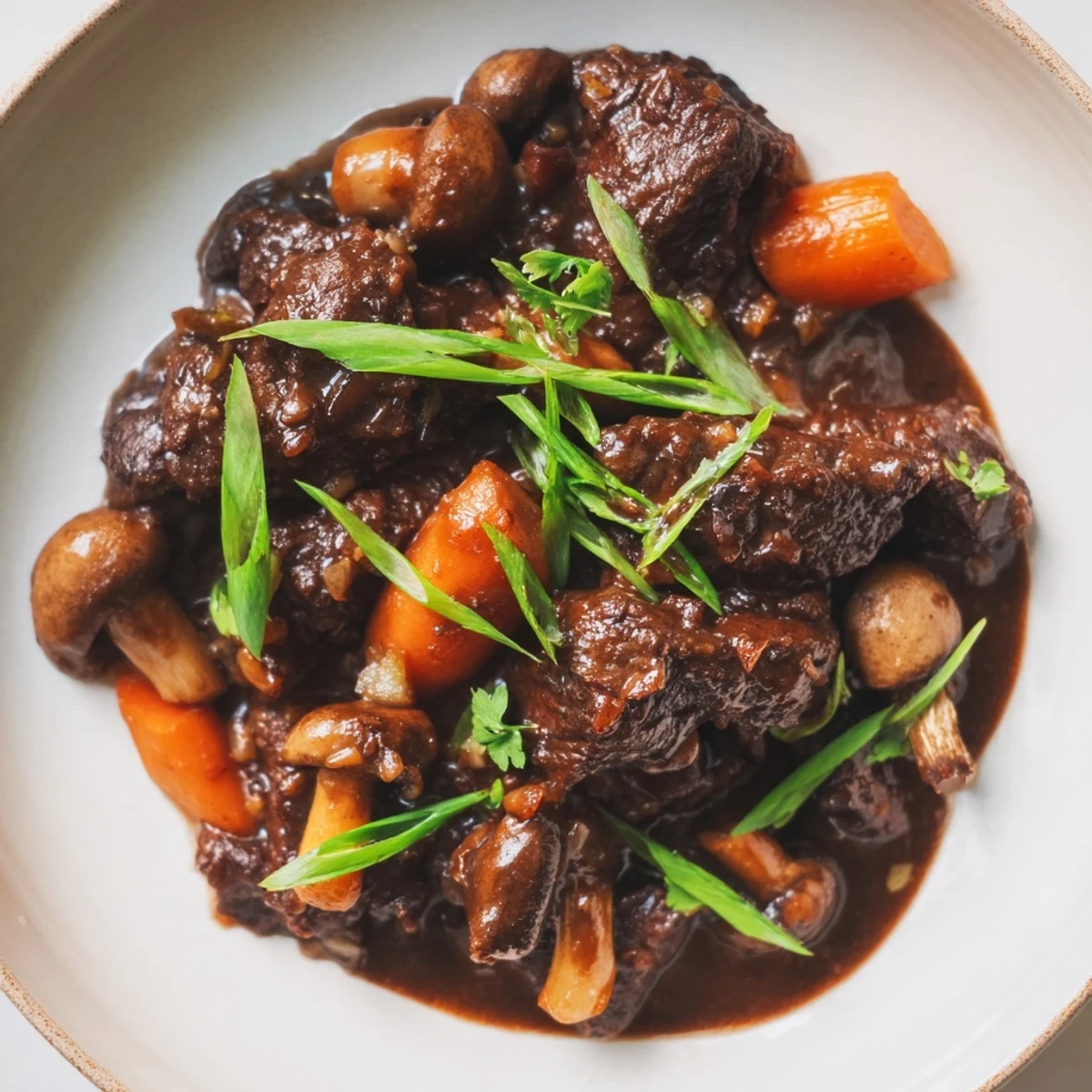
 This Asian-inspired braise transforms beef cheeks into fork-tender perfection through slow cooking. The beef cheeks are first marinated in soy sauce and Shaoxing wine, then seared to develop deep flavor before being braised for 3.5 hours in an aromatic sauce combining beef stock, oyster sauce, dark soy sauce, and hoisin. Shiitake and cremini mushrooms add earthy depth while star anise and cinnamon infuse the dish with warm Asian aromatics. The result is melt-in-your-mouth beef with a rich, glossy coating and complex umami flavor profile.
The first time slow-cooked beef cheeks entered my life was during a bone-chilling winter when my friend Ming invited me over for what she called comfort food. The kitchen smelled like caramelized soy and star anise, something entirely different from my usual weeknight cooking repertoire. One bite of that meltingly tender beef, and I understood why this dish earns patience. Now it is my go-to when I want food that feels like a warm embrace.
Last autumn I made this for a dinner party that stretched late into the evening. Between the braising time and the way everyone kept asking for seconds, we ended up eating at 10 pm but nobody cared. The rich sauce spooned over jasmine rice became the centerpiece of conversations that drifted from work to travel plans to childhood memories. That night taught me that the best meals are the ones that cannot be rushed.
Ingredients
- 1.2 kg beef cheeks: These collagen-rich cuts transform into gelatinous perfection during long cooking, creating that signature melt-in-your-mouth texture that makes this dish so special
- 2 tbsp soy sauce: Use gluten-free soy sauce if needed, as this forms the salty foundation of your marinade and adds essential umami to the beef
- 1 tbsp Shaoxing wine or dry sherry: This Chinese cooking wine adds depth and complexity that you cannot replicate with vinegar, though dry sherry works in a pinch
- 1 tsp freshly ground black pepper: Freshly ground makes a noticeable difference here, cutting through the rich sauce with its spicy warmth
- 250 g shiitake mushrooms: These bring an earthy, meaty quality that intensifies during braising and absorbs all those beautiful Asian flavors
- 200 g cremini or button mushrooms: They provide a milder mushroom flavor and hold their shape better than shiitakes, adding nice texture variation
- 2 medium carrots: Chunks of carrot become sweet and tender after hours in the braising liquid, offering a bright contrast to the rich beef
- 1 large onion: Roughly chopped so they melt into the sauce, providing natural sweetness and body to your braising liquid
- 4 cloves garlic: Minced fresh garlic blooms in the hot oil, creating an aromatic base that permeates the entire dish
- 2-inch piece fresh ginger: Sliced rather than minced so you can easily remove it before serving, but still infuse that distinctive warmth
- 500 ml beef stock: Good quality stock forms the backbone of your braising liquid, so use one you would happily drink on its own
- 2 tbsp oyster sauce: This thick, dark sauce adds incredible umami richness and helps create that glossy restaurant-quality finish
- 2 tbsp dark soy sauce: Dark soy is thicker and less salty than regular soy sauce, primarily used here for its deep mahogany color and caramel notes
- 1 tbsp hoisin sauce: A sweet and savory Chinese sauce that adds complexity reminiscent of plums and fermented beans
- 1 tbsp brown sugar: Just enough to balance the salty elements and encourage caramelization without making the dish overtly sweet
- 1 star anise: This single pod transforms the braising liquid with its licorice-like aroma, creating that distinctive Asian fragrance
- 1 cinnamon stick: Cinnamon adds warming undertones that bridge the gap between sweet and savory elements
- 2 tbsp sesame oil: Toasted sesame oil adds that nutty, aromatic finish that signals Asian flavors in the most inviting way
- 2 tbsp vegetable oil: A neutral oil with a high smoke point, perfect for getting a good sear on the beef without burning
- 2 spring onions: Fresh sliced scallions provide a bright, sharp contrast to cut through the richness of the finished dish
- Fresh coriander: The citrusy herb lifts the heavy flavors and adds a pop of color that makes each bowl look as good as it tastes
- 1 red chili: Optional heat for those who like a little kick, adding both visual appeal and a warming finish
Instructions
- Marinate the beef cheeks:
- Combine the beef cheeks with soy sauce, Shaoxing wine, and freshly ground black pepper in a bowl. Cover and refrigerate for at least 30 minutes, though overnight marinating will reward you with significantly deeper flavor penetration.
- Preheat your cooking vessel:
- Set your oven to 150°C (300°F) or program your slow cooker to its low setting. This long, gentle cooking temperature is what transforms tough collagen into gelatin that melts in your mouth.
- Sear the beef cheeks:
- Heat vegetable oil in a large Dutch oven over medium-high heat until it shimmers. Pat the beef cheeks dry and sear them on all sides for 2 to 3 minutes per side until they develop a deep brown crust that will add complexity to your sauce.
- Bloom the aromatics:
- Add the sesame oil to the same pot and sauté the onions, garlic, and sliced ginger for about 3 minutes. You want them fragrant and translucent, not browned, as this forms the aromatic foundation of your braise.
- Add the vegetables:
- Toss in the carrots and both types of mushrooms, sautéing for another 5 minutes until the mushrooms pick up some color. This step concentrates their flavors before they have a chance to water down in the braising liquid.
- Combine everything in the pot:
- Return the seared beef to the pot and pour in the beef stock, oyster sauce, dark soy sauce, hoisin sauce, and brown sugar. Drop in the star anise and cinnamon stick, then stir everything together until the beef is nestled in the fragrant liquid.
- Start the slow braise:
- Bring the pot to a gentle simmer on the stovetop, then cover with a tight-fitting lid and transfer to the preheated oven. Alternatively, transfer everything to your slow cooker set to low and let time work its magic.
- Let it cook undisturbed:
- Braise for 3 to 3.5 hours, checking once at the halfway point to ensure there is enough liquid and adding a splash of water if needed. The beef should yield easily to a fork and the sauce should have thickened beautifully.
- Finish and adjust:
- Remove and discard the star anise and cinnamon stick, then taste the sauce and adjust with salt and pepper if needed. The flavors should be rich, balanced, and deeply satisfying at this point.
- Serve with garnishes:
- Ladle the beef and vegetables over steamed jasmine rice or creamy mashed potatoes. Scatter with fresh spring onions, coriander leaves, and sliced red chili if you want that extra hit of heat.
 Save to Pinterest
 This recipe became a permanent fixture in my rotation after a particularly stressful week at work when I needed something that would take care of me. Coming home to that aroma of slowly braising beef and Asian spices felt like someone had wrapped a blanket around my shoulders. Sometimes the best medicine is a pot of something delicious bubbling away in the oven.
Making It Your Own
Beef cheeks can be tricky to find at some supermarkets, but short ribs make an excellent substitute with a similar collagen content. I once used brisket in a pinch, and while it was still delicious, the texture was not quite as luxurious as the original. If you are shopping at an Asian market, ask for specific cuts that are known for long braising.
Building Layers of Flavor
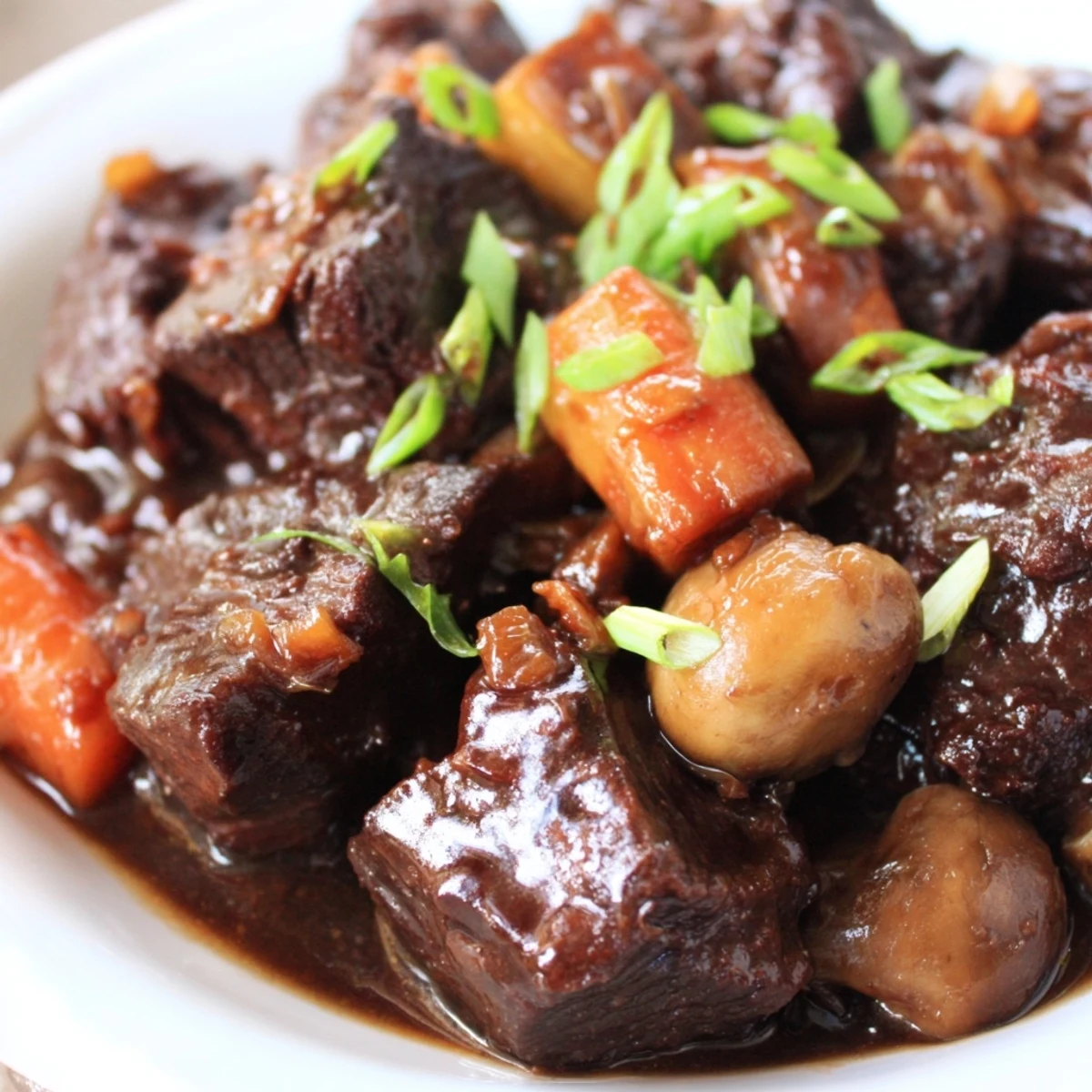
The secret to restaurant-quality depth is using all three soy products: regular soy sauce in the marinade, dark soy sauce for color during braising, and oyster sauce for that glossy finish. I learned this the hard way when I once ran out of dark soy sauce and the dish came out looking pale despite tasting wonderful. Sometimes we eat with our eyes first, and that rich mahogany color signals comfort before you even take a bite.
Serving Suggestions and Pairings
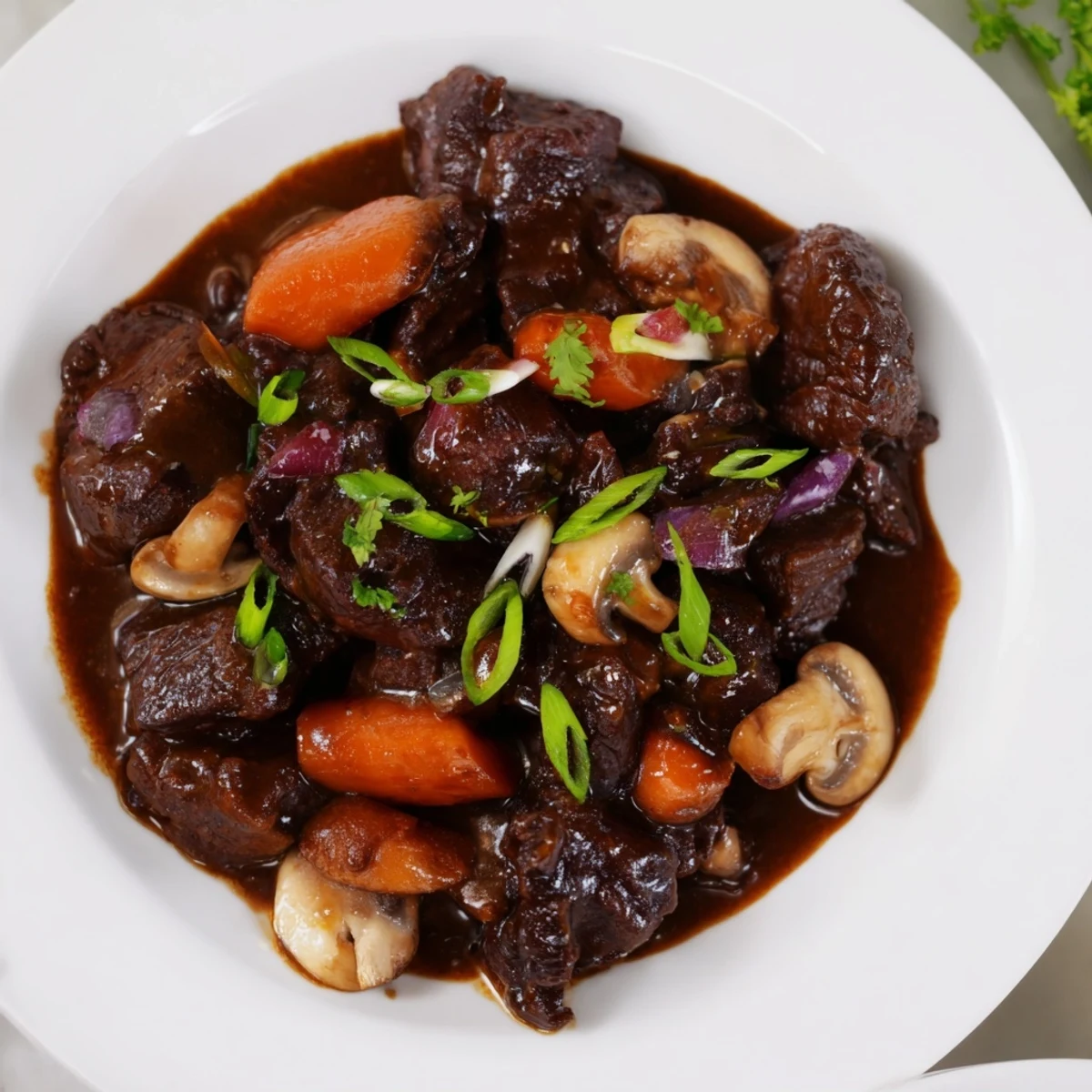
This dish works beautifully with steamed jasmine rice, but I have also served it over creamy mashed potatoes when I wanted something more Western. The rice absorbs that incredible braising liquid, while potatoes provide a comforting canvas for the rich beef. A simple stir-fried bok choy or steamed broccoli adds freshness and color to balance the heavy main.
- Add baby bok choy during the last 15 minutes of cooking for greens that soak up all that flavor
- A splash of Chinese black vinegar right before serving adds brightness that cuts through the richness
- Leftovers keep beautifully in the refrigerator for up to three days and actually taste better as the flavors continue to meld
 Save to Pinterest
 There is something deeply satisfying about a dish that rewards patience and transforms humble ingredients into something extraordinary. I hope this recipe finds its way into your comfort food rotation and creates as many warm memories for you as it has for me.
Your Recipe Questions
- → What cut of meat works best for this dish?
-
Beef cheeks are ideal as they become incredibly tender through slow cooking, developing a rich gelatinous texture. If unavailable, substitute with beef short ribs, though you may need to reduce cooking time slightly.
- → Can I make this in a slow cooker?
-
Yes, after searing the beef and sautéing the aromatics, transfer everything to your slow cooker set to low. Cook for 4-5 hours until the beef is fork-tender, adding a splash of water if the sauce reduces too much.
- → How do I know when the beef cheeks are done?
-
The beef is ready when it offers no resistance to a fork and pulls apart easily. This typically takes 3-3.5 hours in the oven at 150°C or 4-5 hours in a slow cooker on low setting.
- → What can I serve with this braised beef?
-
Steamed jasmine rice is traditional and perfect for soaking up the rich sauce. Creamy mashed potatoes also work beautifully, or serve with Asian noodles for a complete meal. Bok choy or sautéed greens make excellent additions.
- → Can I prepare this dish ahead?
-
This braid actually improves after refrigeration—the flavors deepen overnight. Prepare up to 2 days ahead, refrigerate, then gently reheat on the stove. The fat layer can be removed before reheating for a lighter dish.
- → Is this dish gluten-free?
-
Use gluten-free soy sauce and oyster sauce to make this completely gluten-free. Most Asian condiments have gluten-free alternatives available, so check labels carefully if dietary restrictions are a concern.