
 Save to Pinterest
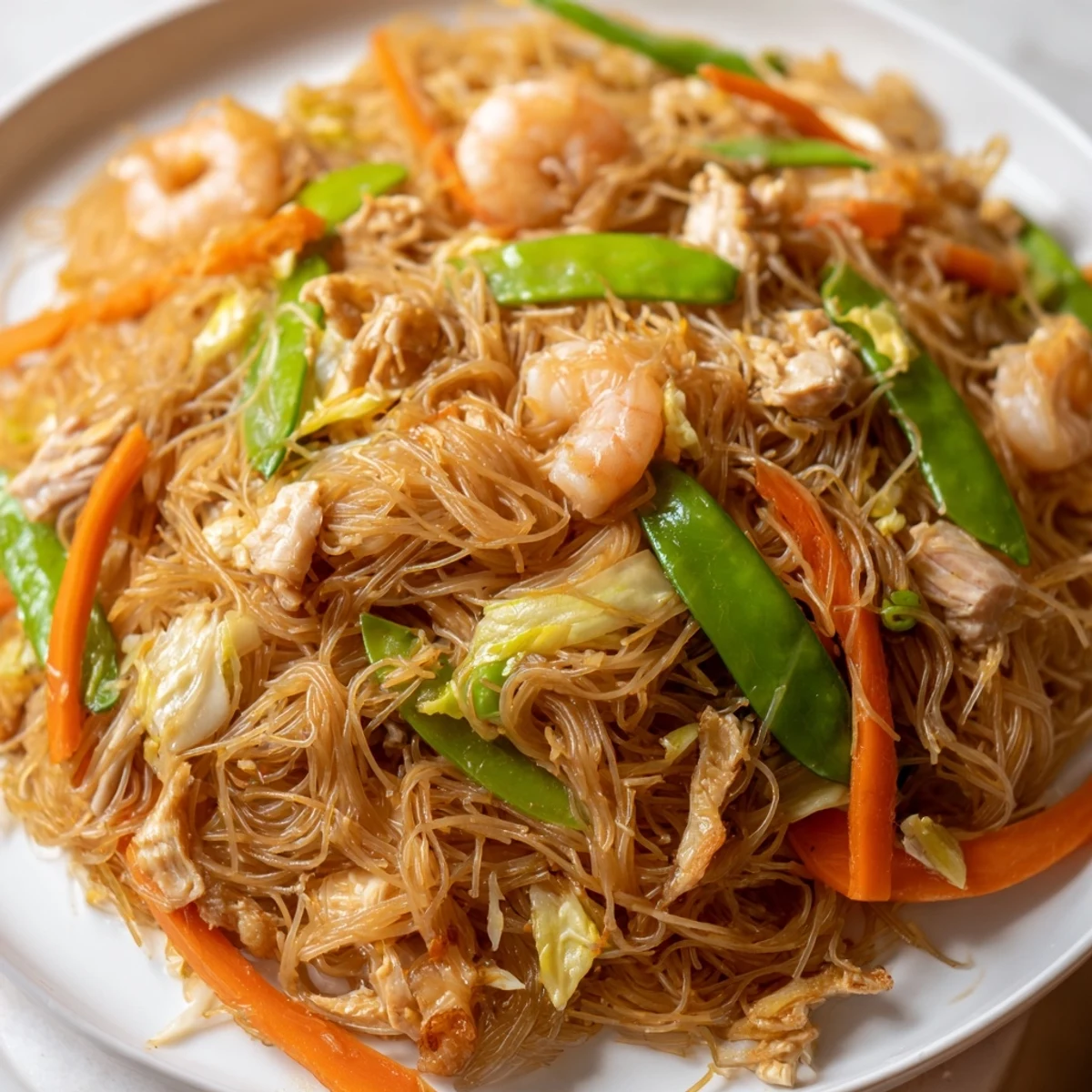
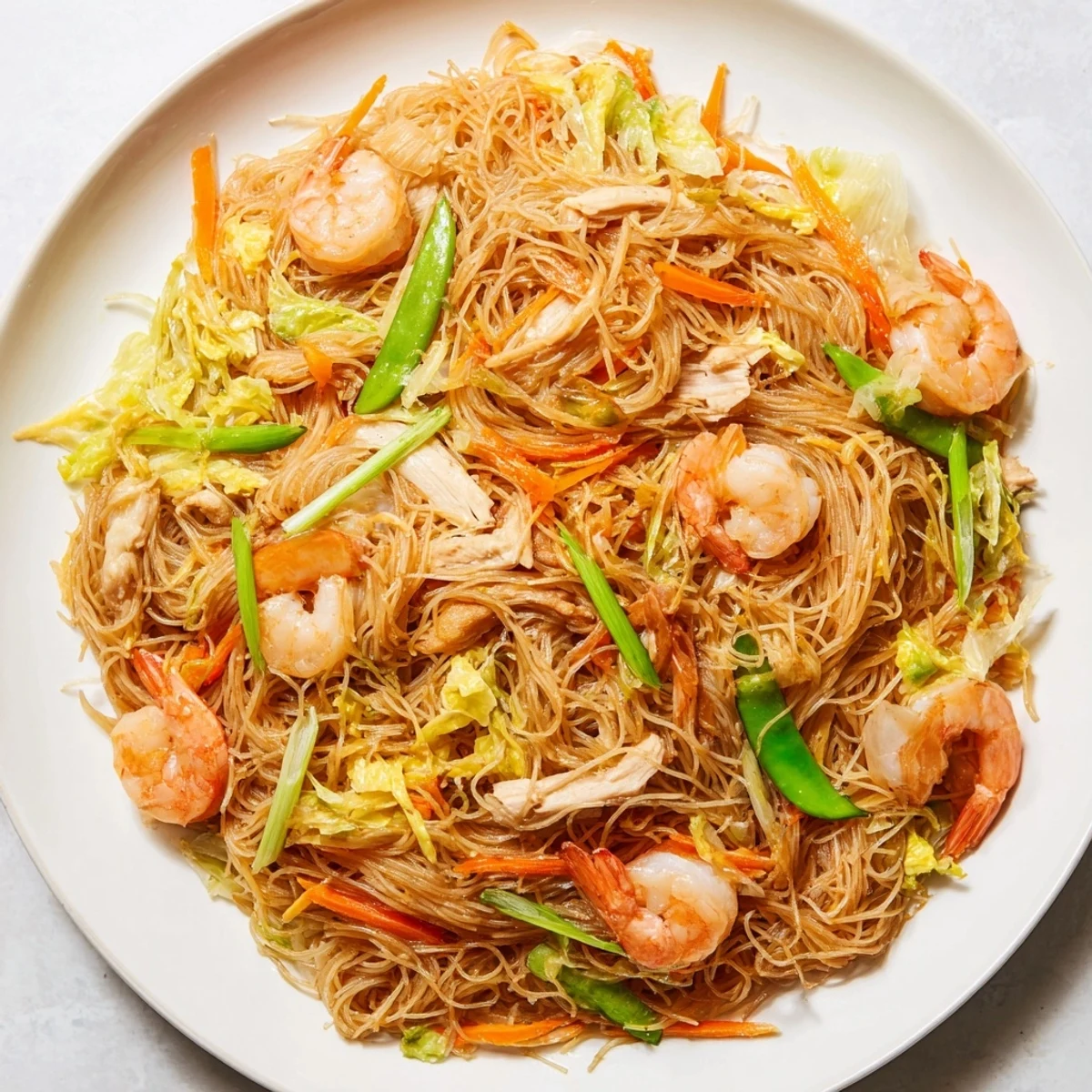
 This classic Filipino dish features thin rice vermicelli noodles wok-tossed with sliced chicken breast, plump shrimp, and colorful julienned vegetables. The noodles absorb a savory sauce blend of soy, oyster sauce, and fish sauce, creating that signature umami-rich flavor profile. Perfect for family gatherings or special occasions, this hearty one-pan meal comes together in just 40 minutes and serves four generously.
The smell of garlic hitting hot oil always takes me back to my aunt's tiny kitchen in Manila, where she'd make pancit for Sunday family lunches. I remember standing on a stool just to reach the counter, watching her transform simple rice noodles into something magical. What I didn't understand then was that pancit isn't just food—it's a symbol of long life and good fortune, which is why it shows up at every birthday celebration worth having.
Last winter, my neighbor texted me at noon saying she'd had a terrible week and needed something comforting but not heavy. I threw this together in thirty minutes and brought it over still steaming. She took one bite, closed her eyes, and told me it tasted exactly like what her Lola used to make after school. Some recipes connect us to memories we didn't even know we were missing.
Ingredients
- 200 g boneless chicken breast: Thin slices cook faster and stay tender, so freeze the meat for 15 minutes before cutting for clean cuts
- 100 g medium shrimp: Peeled and deveined saves precious minutes, and they cook in just two minutes so don't walk away
- 200 g dried bihon rice noodles: These delicate threads absorb flavors like a dream—soak them in warm water not hot or they'll turn to mush
- 1 small carrot: Julienned into matchsticks brings sweetness and that essential crunch texture contrast
- 1 cup green cabbage: Shredded thin adds bulk without overwhelming the delicate noodle texture
- 1/2 cup snow peas: Trimmed and halved, they bring fresh snap and gorgeous color pops
- 1 small onion: Sliced into thin half-moons, this builds the aromatic foundation
- 3 cloves garlic: Minced fresh—never jarred—because pancakes deserve real garlic's punch
- 2 tbsp soy sauce: The savory backbone that gives pancit its distinctively deep umami character
- 1 tbsp oyster sauce: Don't skip this—it adds that restaurant-quality gloss and subtle sweetness
- 1 tsp fish sauce: Just enough to deepen the flavor without making it taste fishy
- 1/2 tsp ground black pepper: Freshly cracked makes a real difference here
- 1 cup chicken broth: Homemade is ideal but store-bought works perfectly fine
- 2 tbsp chopped scallions: Fresh green onions bring brightness and color contrast on top
- 1 lemon or calamansi: Cut into wedges, that squeeze of acid right before eating transforms everything
Instructions
- Prep the noodles:
- Soak the bihon noodles in warm water for 10 minutes until pliable but still with some bite, then drain them well and set aside.
- Build the aromatics:
- Heat 2 tablespoons of oil in a large wok over medium-high heat, then sauté the garlic and onion until fragrant and translucent, about 2 minutes.
- Cook the proteins:
- Add the chicken slices and cook until lightly browned and cooked through, then toss in the shrimp and stir-fry until pink, about 2 minutes, before removing both from the pan.
- Stir-fry vegetables:
- In the same pan, add the carrots, cabbage, and snow peas, stir-frying for 2 to 3 minutes until just tender but still crisp.
- Combine everything:
- Return the cooked chicken and shrimp to the pan, pour in the soy sauce, oyster sauce, fish sauce, and chicken broth, then bring it to a gentle simmer.
- Add the noodles:
- Add the drained bihon noodles, tossing gently with tongs to combine and absorb the sauce, cooking for 3 to 4 minutes until heated through and flavorful.
- Season to taste:
- Sprinkle with black pepper and adjust salt or additional sauces if needed, then transfer to a serving platter.
- Finish and serve:
- Garnish generously with chopped scallions and serve immediately with lemon or calamansi wedges on the side for squeezing.
 Save to Pinterest
 My cousin once forgot to soak the noodles beforehand and tried adding them dry directly to the pan. What followed was twenty minutes of frantic stirring and a panicked phone call. The resulting dish was edible but definitely not the texture we all know and love. Lesson learned: some shortcuts aren't worth the stress.
Making It Your Own
Pancit bihon is incredibly forgiving once you understand the basic technique. I've made it with just cabbage and onions when that's all I had, and it still satisfied that noodle craving. The key is maintaining the balance between the savory sauce components and keeping those vegetables crisp-tender.
Timing Is Everything
Mise en place isn't just for restaurant cooks—having everything chopped and measured before you turn on the heat makes this recipe genuinely effortless. There's nothing worse than realizing your shrimp are overcooking while you're frantically trying to slice carrots. Trust me, I've been there, and the scramble isn't worth it.
Serving Suggestions
Traditional pancit bihon deserves to be the star of your table, served family-style with a simple side like lumpia or fresh tomato salad. The first time I made this for a dinner party, my guests kept going back for small spoonfuls throughout the evening, unable to resist just one more taste.
- Pair with ice-cold San Miguel beer or a crisp white wine like Pinot Grigio
- Set out small bowls of extra soy sauce and sliced chilies for guests who want more heat
- Squeeze that calamansi or lemon over individual portions right before eating for the brightest flavor
 Save to Pinterest
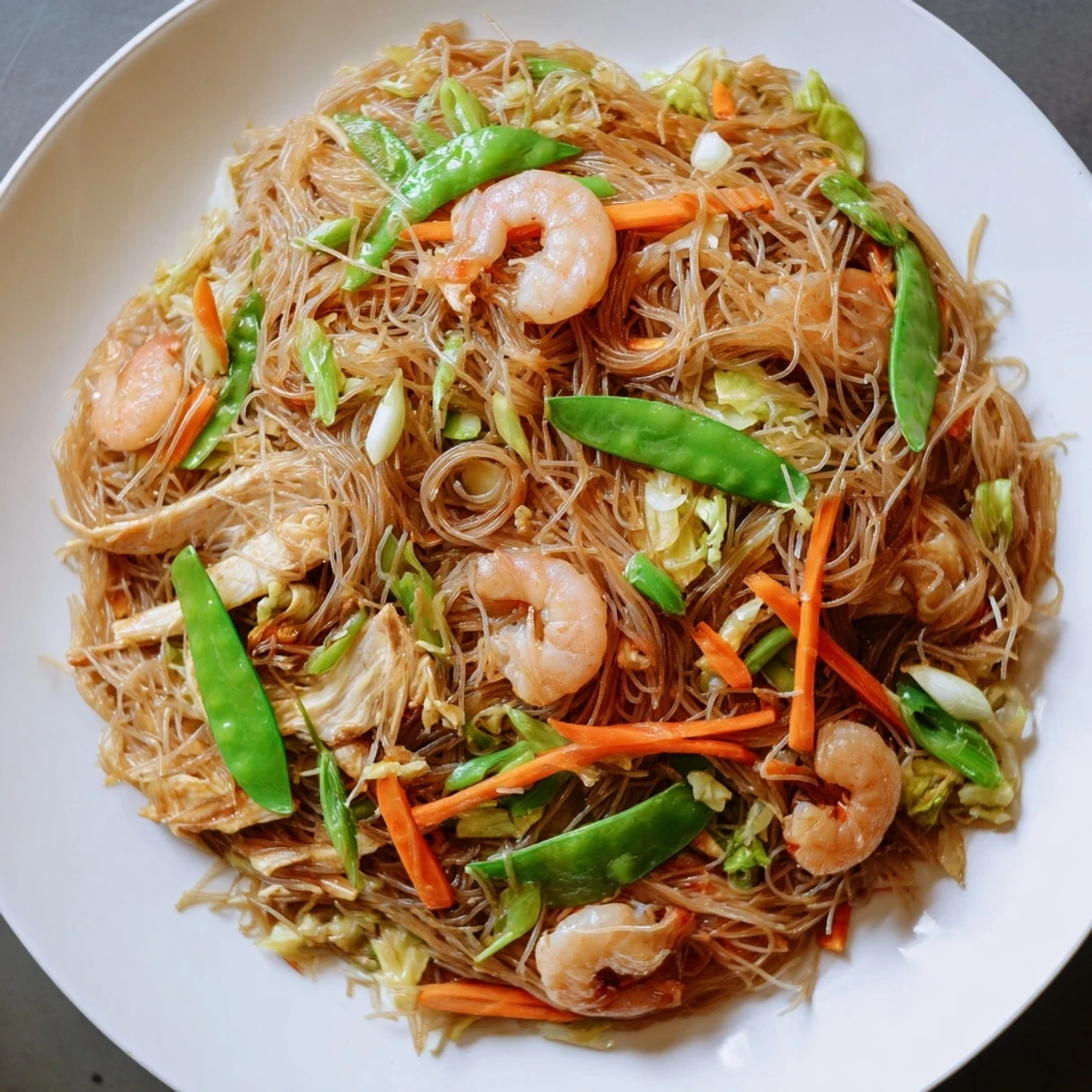
 Whether it's a Tuesday night dinner or a weekend feast, pancit bihon has a way of making any meal feel like a celebration. There's something deeply satisfying about twirling those savory noodles onto your fork, surrounded by the people you care about most.
Your Recipe Questions
- → What makes Pancit Bihon different from other noodle dishes?
-
Pancit Bihon uses thin rice vermicelli noodles that become silky when soaked and stir-fried. The combination of soy sauce, oyster sauce, and fish sauce creates a distinctively Filipino umami flavor that sets it apart from other Asian noodle dishes. The vegetables remain crisp-tender, providing texture contrast against the soft noodles.
- → Can I make Pancit Bihon ahead of time?
-
Yes, Pancit Bihon actually tastes better the next day as flavors meld together. Store in an airtight container in the refrigerator for up to 3 days. Reheat gently in a wok with a splash of water or chicken broth to refresh the noodles. The dish can also be frozen for up to 1 month, though the texture of vegetables may soften slightly.
- → What vegetables work best in this dish?
-
Traditional choices include carrots, cabbage, and snow peas for their crunch and ability to hold up during stir-frying. You can also add bell peppers, celery, snap peas, or bok choy. Slice vegetables thinly and uniformly so they cook evenly while maintaining a pleasant crisp texture that complements the soft noodles.
- → How do I prevent the noodles from becoming mushy?
-
Soak the dried bihon noodles in warm water for exactly 10 minutes—no longer. Drain them thoroughly before adding to the wok. When cooking, toss the noodles gently with tongs and cook just until they absorb the sauce and become heated through, about 3-4 minutes. Avoid overcooking or the noodles will break down and lose their appealing texture.
- → Can I make this vegetarian or gluten-free?
-
For vegetarian options, replace chicken with firm tofu cubes and shrimp with mushrooms like shiitake or oyster mushrooms. Use vegetable broth instead of chicken broth. To make it gluten-free, ensure your soy sauce and oyster sauce are labeled gluten-free or use tamari and gluten-free oyster sauce alternatives. The rice noodles are naturally gluten-free.
- → What's the best way to serve Pancit Bihon?
-
Transfer to a large serving platter and garnish generously with chopped fresh scallions for color and mild onion flavor. Serve with lemon or calamansi wedges on the side—guests can squeeze the citrus over their portions to brighten the flavors. This dish pairs beautifully with crisp white wine, light lager, or iced tea. Consider offering extra soy sauce and chopped chilies for those who enjoy more heat.