
 Save to Pinterest
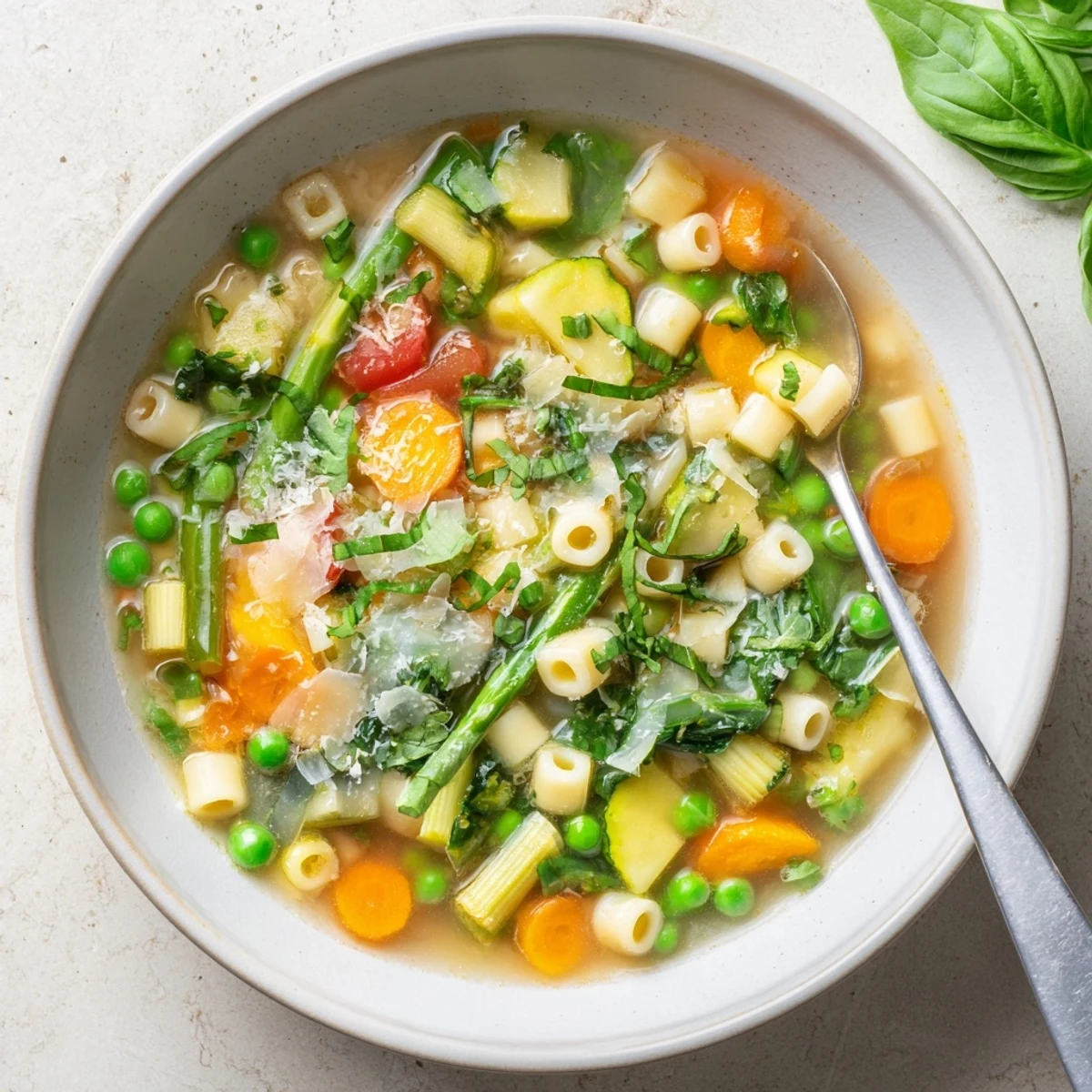
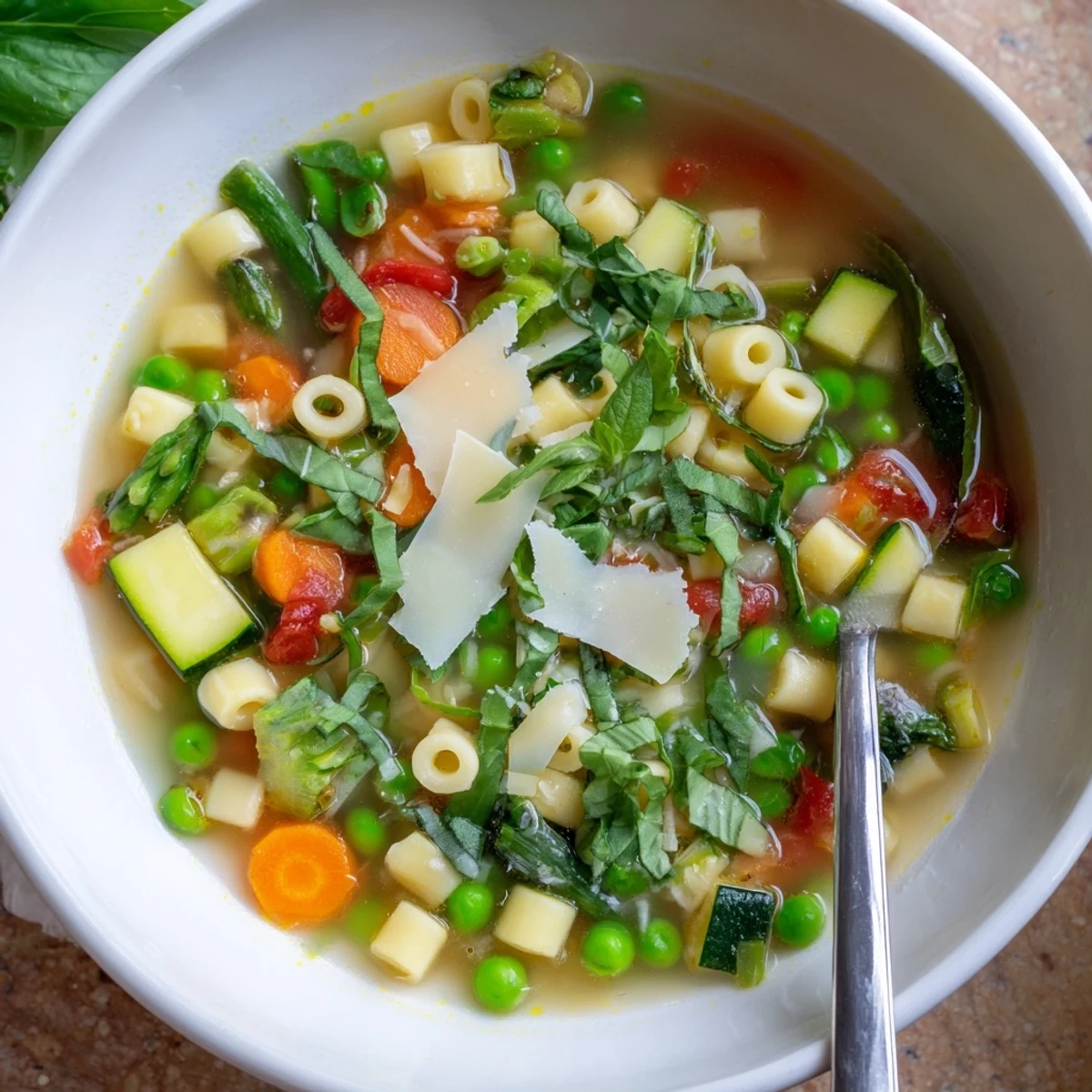
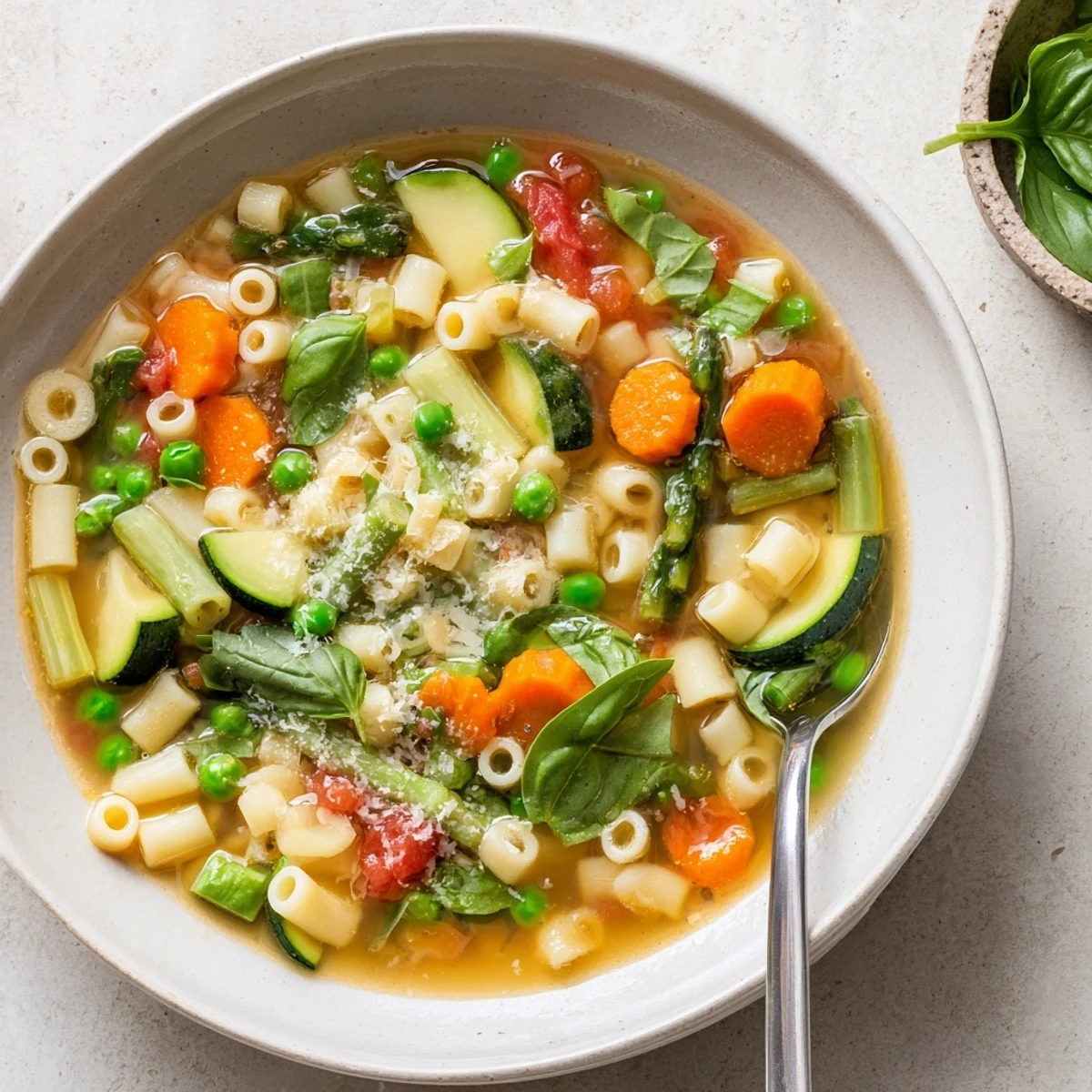
 This vibrant minestrone celebrates the best of spring produce with asparagus, peas, zucchini, and tender spinach simmering in a flavorful vegetable broth. Small pasta adds heartiness while fresh herbs and a squeeze of lemon brighten each bowl.
The preparation comes together in under an hour, starting with a base of sautéed leeks and garlic. Vegetables are added gradually to maintain their texture, then simmered with diced tomatoes and aromatic dried herbs. The finished dish balances tender vegetables with al dente pasta, finished with fresh basil, parsley, and bright lemon juice.
Serve with grated Parmesan and a drizzle of olive oil for a complete meal that showcases seasonal flavors at their best. Leftovers keep beautifully for several days, making it ideal for meal prep.
The first time I made this minestrone, it was one of those gray March days when spring felt like a promise rather than a reality. I'd impulsively bought too many vegetables at the farmers market, and my kitchen counter was crowded with leeks, asparagus, and peas. Something about the combination felt like I was willing warmer weather into existence, one pot at a time.
Last spring, my neighbor dropped by unexpectedly while this was simmering. She kept asking what smelled so incredible and ended up staying for dinner. We ate standing at the counter, both too impatient to wait for proper plates, and she's been asking for the recipe ever since.
Ingredients
- 1 tablespoon olive oil: This creates the foundation for sautéing your vegetables, so use something you really like the taste of
- 1 medium leek: The white and light green parts provide a mild, sweet onion flavor that's more delicate than regular onions
- 2 garlic cloves: Minced fresh adds that aromatic base that makes your kitchen smell amazing
- 2 medium carrots: Diced small, they add natural sweetness and beautiful color
- 1 medium zucchini: Cut into similar-sized pieces as your carrots so everything cooks evenly
- 1 cup asparagus: Trimmed into 1-inch pieces, these bring that quintessential spring flavor
- 1 cup fresh or frozen peas: Little bursts of sweetness that make every spoonful special
- 1 cup baby spinach: Added at the very end for just a minute, it wilts beautifully without turning mushy
- 5 cups vegetable broth: Low-sodium gives you control over seasoning, and quality matters here since it's the main liquid
- 1 can diced tomatoes: Drain them first so they contribute flavor without making the soup too watery
- 2/3 cup small pasta: Ditalini or small shells are perfect because they catch in your spoon
- 1 teaspoon dried thyme: Earthy and floral, it bridges the vegetables and broth
- 1 teaspoon dried basil: Even dried, it adds that aromatic Italian essence
- Salt and pepper: Essential for bringing all the flavors together at the end
- 2 tablespoons fresh parsley: Chopped, adds brightness and color
- 2 tablespoons fresh basil: Thinly sliced, it's completely different from dried and worth the extra step
- Juice of 1/2 lemon: The secret ingredient that makes everything sing and balances the sweetness of the vegetables
Instructions
- Sauté the base:
- Heat olive oil in a large pot over medium heat. Add the sliced leek and cook for about 3 minutes, stirring occasionally, until it's softened and starting to smell sweet.
- Add the aromatics:
- Stir in the minced garlic and cook for just 1 minute until fragrant. You want it to release its scent but not brown or bitter.
- Build the vegetable foundation:
- Add the diced carrots and cook for 2 minutes, giving them a head start since they take longer to soften.
- Add the tender vegetables:
- Stir in zucchini, asparagus, and peas. Cook for another 2 minutes to start developing their flavors.
- Create the soup base:
- Pour in the vegetable broth and drained diced tomatoes. Increase the heat to bring everything to a gentle boil.
- Cook the pasta:
- Add the pasta, dried thyme, and dried basil. Reduce heat to a simmer and cook uncovered for 8 to 10 minutes, until pasta is al dente and vegetables are tender.
- Finish with fresh greens:
- Stir in baby spinach, fresh parsley, fresh basil, and lemon juice. Cook for 1 to 2 minutes, just until spinach wilts.
- Season and serve:
- Taste and add salt and pepper as needed. Ladle into bowls and top with grated Parmesan and a drizzle of olive oil if you like.
 Save to Pinterest
 My sister now makes this soup every Sunday during spring, calling it her reset button after heavy winter meals. Seeing her family gather around bowls of something so bright and nourishing feels like watching the season arrive right at her table.
Make It Your Own
I've learned that spring vegetables are beautifully interchangeable. When I can't find asparagus, green beans work beautifully. Fava beans, though tedious to shell, make this feel incredibly special. Even artichoke hearts, added in the last few minutes, transform it into something completely new.
The Pasta Secret
After years of soggy pasta soup disasters, I discovered that cooking the pasta directly in the broth works perfectly if you watch it carefully. The starch it releases slightly thickens the soup naturally, creating that silky restaurant-quality texture. Just don't walk away during those last few minutes.
Serving Suggestions
A slice of crusty bread is almost mandatory for catching every drop. A simple green salad with lemon vinaigrette on the side makes it feel like a complete meal. For company, I set out small bowls of extra Parmesan, red pepper flakes, and more olive oil so everyone can customize their bowl.
- Grill some bread rubbed with garlic while the soup simmers
- A glass of crisp white wine pairs beautifully with the light broth
- Cool slightly before storing, as hot soup can affect other refrigerator items
 Save to Pinterest
 There's something deeply satisfying about making a soup that celebrates the season's first offerings. It's like capturing the very best part of spring in a bowl.
Your Recipe Questions
- → What vegetables work best in spring minestrone?
-
Asparagus, peas, zucchini, leeks, carrots, and baby spinach showcase spring's fresh flavors. You can also add green beans, fava beans, or artichoke hearts depending on what's available in your area.
- → Can I make this gluten-free?
-
Absolutely. Simply substitute the regular pasta with your favorite gluten-free pasta shape. The cooking time may vary slightly, so check the package instructions and adjust accordingly.
- → How do I store leftovers?
-
Refrigerate in an airtight container for up to 3 days. The pasta will absorb some broth as it sits, so add extra vegetable broth when reheating to restore the desired consistency. Reheat gently on the stovetop.
- → Can I freeze this soup?
-
Freezing works best if you cook the pasta separately. Prepare the soup without pasta, cool completely, and freeze for up to 3 months. When ready to serve, thaw and reheat the soup, then cook fresh pasta separately and combine.
- → What pasta shape should I use?
-
Small shapes like ditalini, small shells, or orzo work beautifully because they're proportionate to the chopped vegetables. Larger pasta shapes can overwhelm the delicate vegetable pieces in this light soup.
- → How can I make this vegan?
-
Omit the Parmesan cheese garnish or use a plant-based Parmesan alternative. The rest of the soup is naturally vegan, packed with protein from vegetables and pasta for a complete plant-based meal.