
 Save to Pinterest
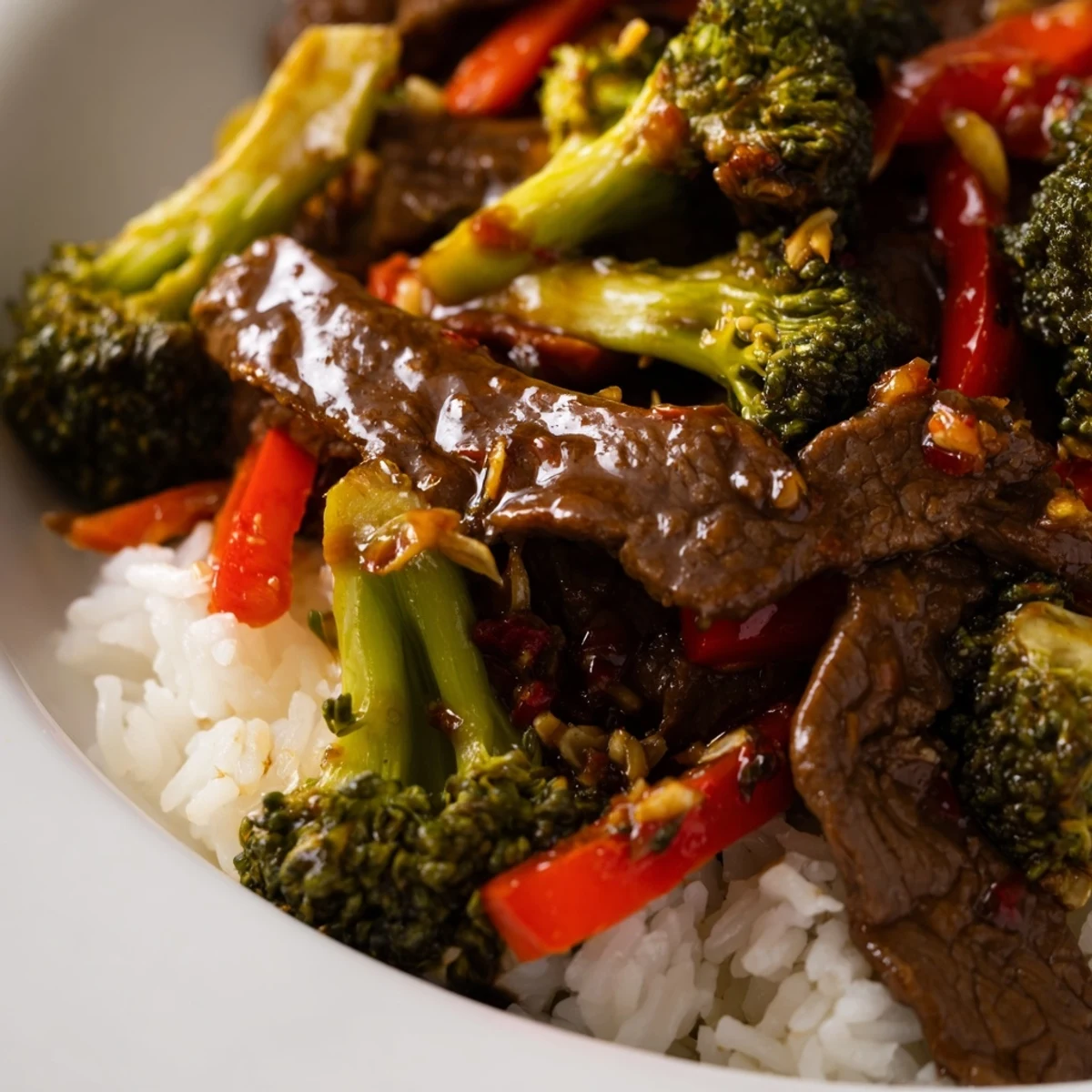
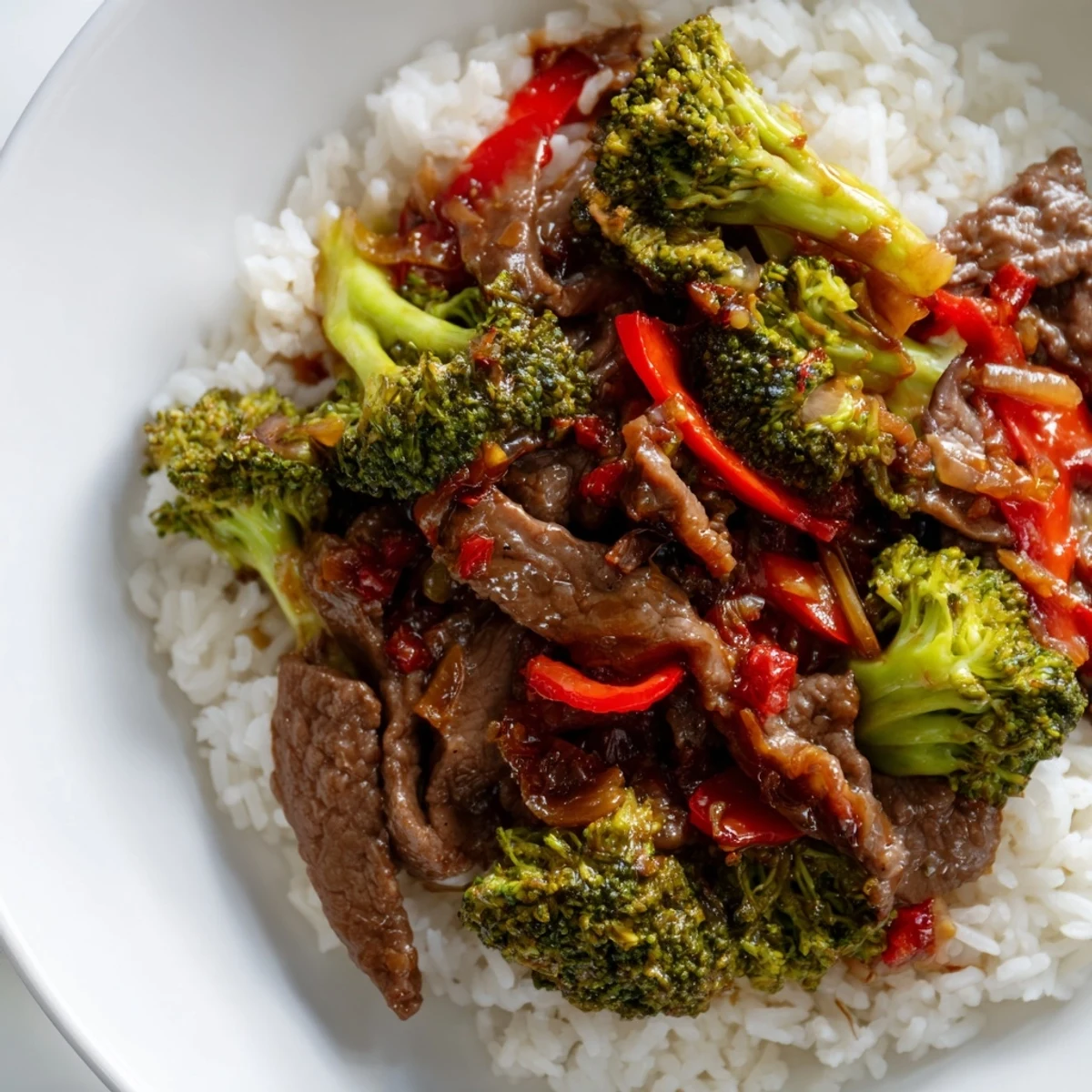
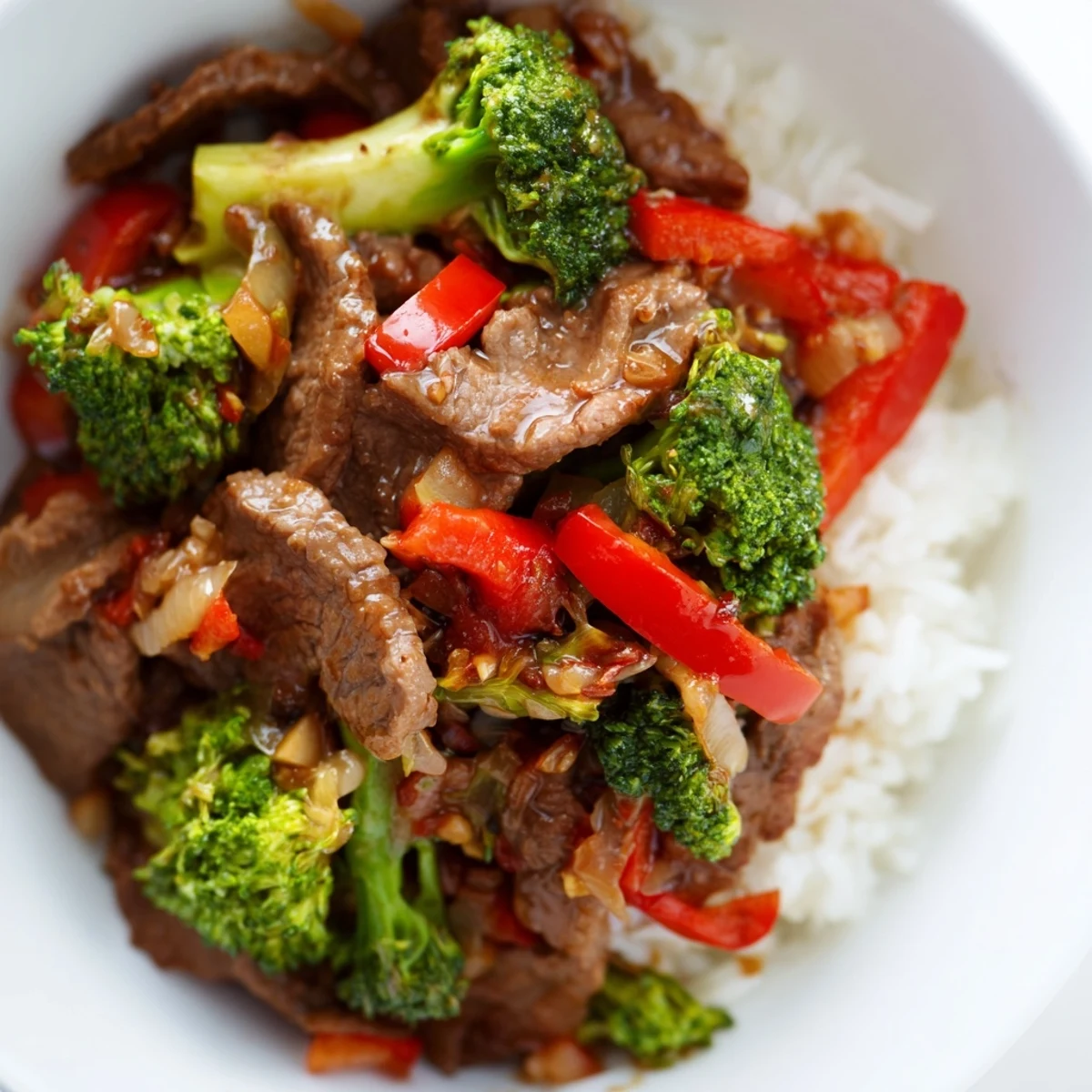
 This dish combines thinly sliced beef with fresh broccoli and bell pepper, stir-fried quickly over high heat. A spicy, savory sauce with soy, oyster sauce, garlic, ginger, and a touch of Sriracha brings bold flavors. Cooked in a hot wok for a crisp-tender finish, this flavorful meal is ready in 30 minutes and pairs beautifully with jasmine rice. Adjust the heat and vegetables to suit your taste.
There's something about the sound of beef hitting a screaming hot wok that never gets old—that sharp sizzle that tells you everything is about to get delicious. I discovered this stir fry on a weeknight when I had exactly 30 minutes and a craving that wouldn't quit, so I threw together what I had on hand and somehow ended up with something I've made at least once a month ever since. The spicy sauce coating tender beef strips and charred broccoli became my answer to takeout cravings, except it costs half the price and tastes even better.
I made this for my friend Marcus on a random Tuesday, and he asked for the recipe before he'd even finished his plate—something that had never happened before. That moment taught me that the best dinners aren't fancy or complicated; they're just honest food that tastes like someone cared enough to get the heat right and not overcook the vegetables. Now whenever he texts asking what I'm making for dinner, he's hoping it's this stir fry.
Ingredients
- Flank steak or sirloin, thinly sliced: Slicing against the grain is the secret to tender beef—it breaks up the muscle fibers so they can't clench up during cooking.
- Soy sauce and sesame oil for the marinade: Even 10 minutes of marinating makes the beef absorb flavor faster and cook more evenly across the pan.
- Broccoli florets: Cut them roughly the same size so they cook through at the same rate; uneven pieces mean some will be mush while others stay hard.
- Fresh garlic and ginger: Mince them fine so they distribute throughout the sauce instead of sitting in chunks; their job is to be invisible but essential.
- Red bell pepper: Any color works, but red ones are sweeter and stay a little firmer when cooked hot and fast.
- Soy sauce, oyster sauce, and Sriracha sauce: This combination builds depth—salty umami from soy, savory roundness from oyster sauce, and that lingering heat from chili that makes you want another bite.
- Rice vinegar: A splash of acidity cuts through the richness and prevents the sauce from tasting flat or one-dimensional.
- Cornstarch slurry: This is what transforms a thin sauce into something glossy and clinging, so every vegetable and piece of beef gets coated.
Instructions
- Coat the beef:
- Toss your sliced steak with soy sauce, cornstarch, and sesame oil and let it sit while you prep everything else. The cornstarch creates a light coating that helps the meat brown faster and stay tender, while sesame oil whispers a subtle nuttiness underneath everything.
- Build your sauce:
- Whisk soy sauce, oyster sauce, rice vinegar, Sriracha, brown sugar, water, and cornstarch in a small bowl. The cornstarch needs to be mixed in cold liquid first or it'll clump up when it hits the hot pan and you'll end up with little gritty pockets instead of smooth sauce.
- Sear the beef:
- Get your wok screaming hot—you want it so hot it almost smokes—then add oil and let it shimmer for just a second before adding beef in a single layer. Don't stir immediately; let it sit for 2-3 minutes so a golden crust forms, then toss everything together and pull it out when it's still slightly pink in the middle because it'll keep cooking when it goes back in.
- Stir fry the vegetables:
- Add fresh oil to the same pan and crank the heat back up, then add broccoli and bell pepper and keep them moving constantly. You want them to pick up some color and char, but stay crisp enough that they have actual texture when you bite them—overcooked broccoli tastes like regret.
- Finish with aromatics:
- Add minced garlic and ginger for just a minute; if they cook too long they turn bitter, but if they cook too short they taste raw and sharp. You'll know it's right when the air around your stove smells so good you can barely stand to wait another few minutes.
- Bring it all together:
- Return the beef to the pan and pour in your sauce, stirring constantly for 2-3 minutes as it thickens and everything gets glossy and clingy. The starch will go from milky to clear and shiny, and that's when you know every piece of beef and every floret is getting maximum flavor coverage.
 Save to Pinterest
 The night I realized this stir fry had become a real fixture in my cooking rotation was when I caught myself automatically checking the pantry for Sriracha like it was a necessity, the same way some people keep salt in stock. That's when I knew it had stopped being a recipe and started being part of how I cook.
Why High Heat Matters
A wok exists for a reason, and that reason is heat—lots of it, concentrated quickly. When you're cooking at the right temperature, vegetables go from raw to crisp-tender in moments, and beef develops a golden crust while staying pink inside. The moment you drop the heat to play it safe is the moment your stir fry stops being a stir fry and becomes a braise.
Building Better Sauce
The magic of a stir fry sauce lives in balance and texture—it needs salt, acid, sweetness, and heat all working together so nothing overpowers the others. Too much soy sauce makes it salty; too much vinegar makes it sour; too much chili makes it all you taste. The cornstarch is your silent partner, turning liquid into something that clings and coats instead of sliding off everything and pooling at the bottom of the bowl.
Variations and Swaps That Work
The beauty of this stir fry is that it handles substitutions gracefully—swap broccoli for broccolini or snow peas if you want something lighter, or add cashews if you need something more substantial. You can tame the heat by using less Sriracha and more brown sugar, or crank it up for the people who eat jalapeños like they're candy. Even the protein is flexible: chicken breast, pork tenderloin, or firm tofu all cook beautifully in the same method and timing.
- For gluten-free, use tamari instead of soy sauce and check that your oyster sauce is certified gluten-free.
- If oyster sauce gives you any allergic reaction, a vegan oyster substitute works just as well and keeps the savory depth intact.
- Make the sauce 5 minutes before you start cooking so you're never scrambling to whisk while the pan is screaming hot.
 Save to Pinterest
 This is the kind of dish that makes you feel like you've got your cooking under control, like you know what you're doing with heat and timing and flavor. Make it once and you'll make it again.
Your Recipe Questions
- → How do I get tender beef strips for stir frying?
-
Slice the beef thinly against the grain and marinate briefly with soy sauce, sesame oil, and cornstarch to keep it tender and juicy during cooking.
- → What can I use instead of oyster sauce?
-
For shellfish allergies or a vegetarian option, substitute oyster sauce with mushroom sauce or a soy-based alternative that adds umami flavor.
- → How do I ensure the vegetables remain crisp-tender?
-
Stir fry the broccoli and bell pepper in hot oil quickly, about 2-3 minutes, then add garlic and ginger briefly to maintain a crisp texture.
- → Can I adjust the spice level?
-
Yes, modify the amount of Sriracha or chili garlic sauce to suit your preferred heat level. Adding red pepper flakes is another option.
- → What is the best way to serve this dish?
-
Serve hot over steamed jasmine rice and garnish with sliced spring onions for added freshness and color.
- → Is there a gluten-free variation?
-
Use tamari instead of soy sauce and ensure the oyster sauce is certified gluten-free for a safe gluten-free dish.