
 Save to Pinterest
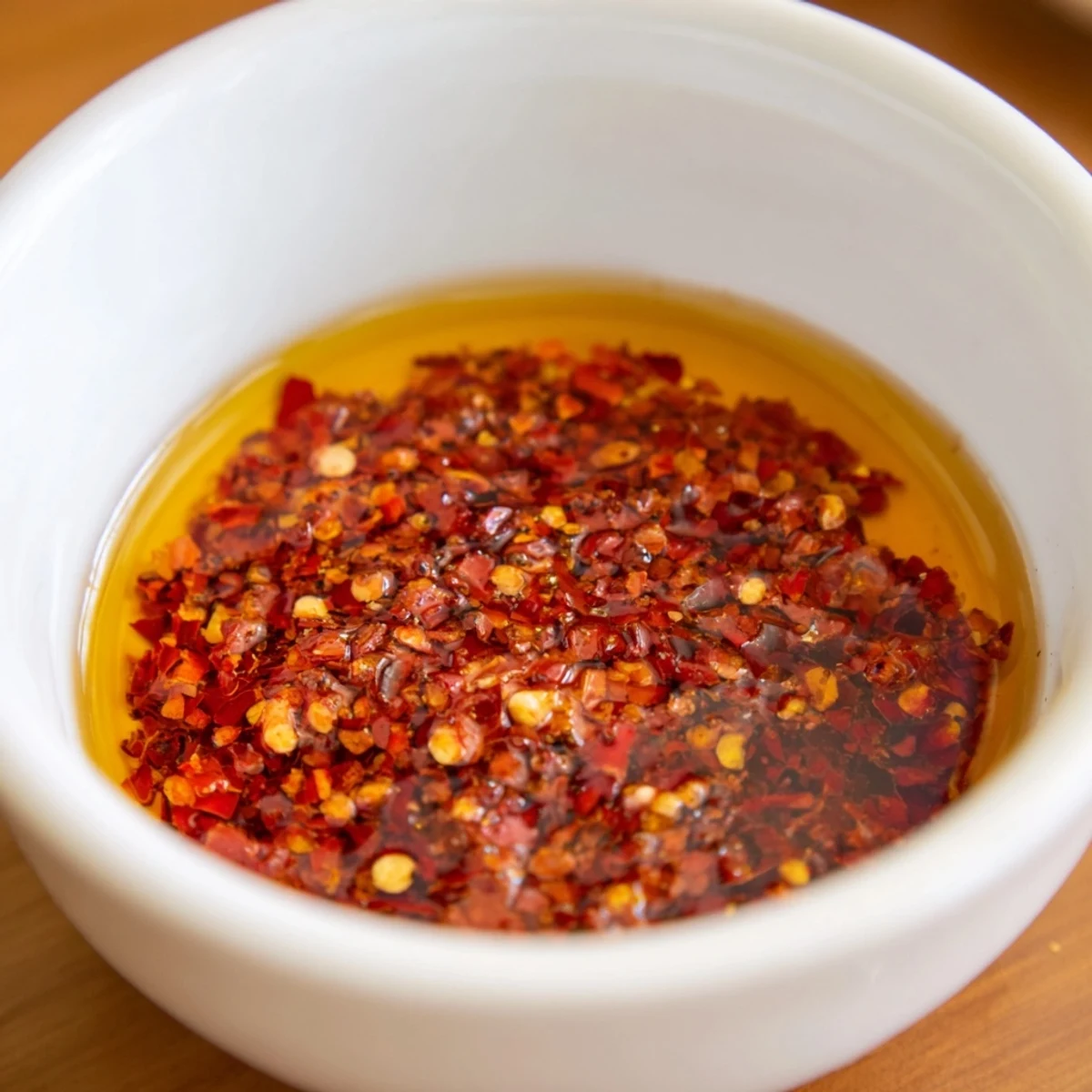
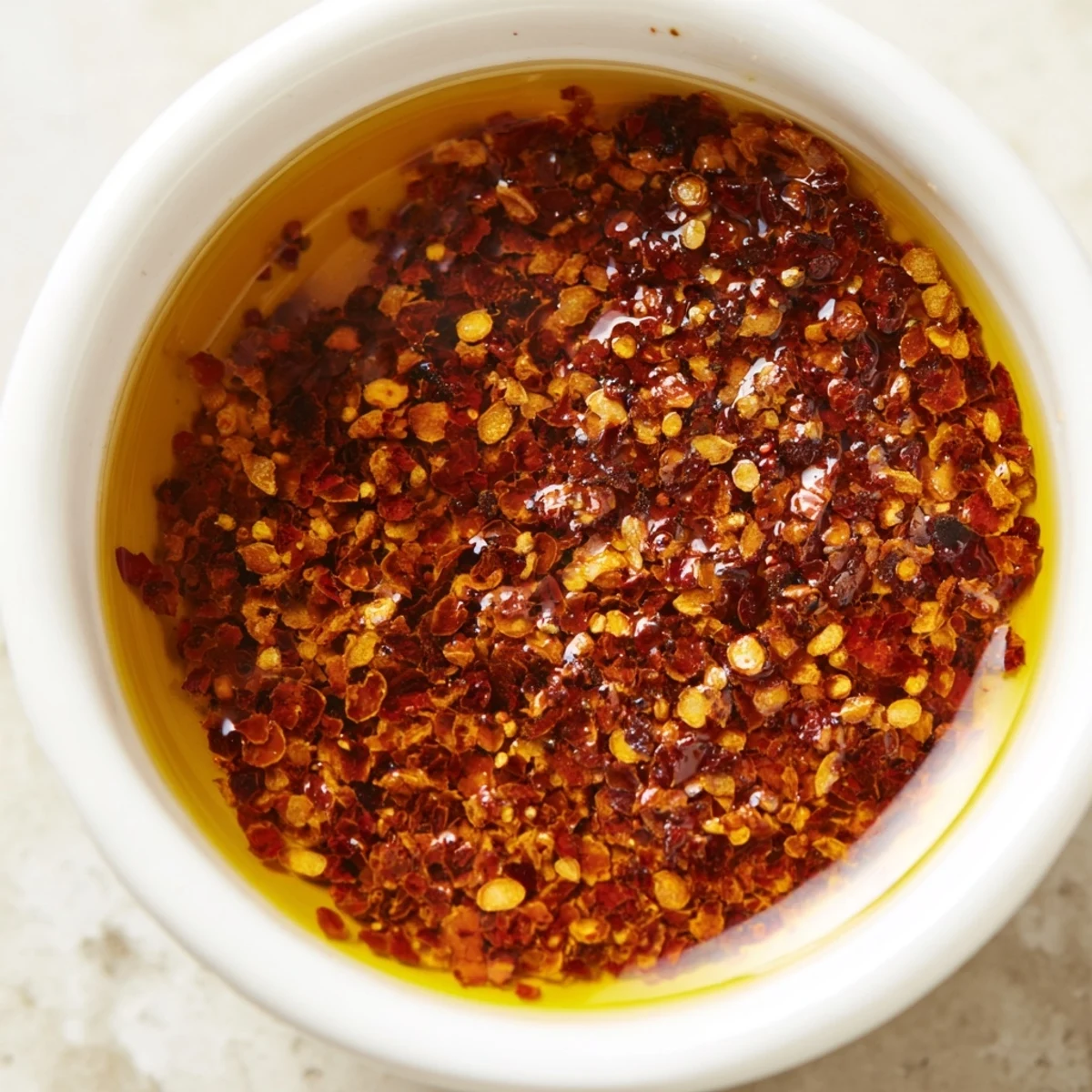
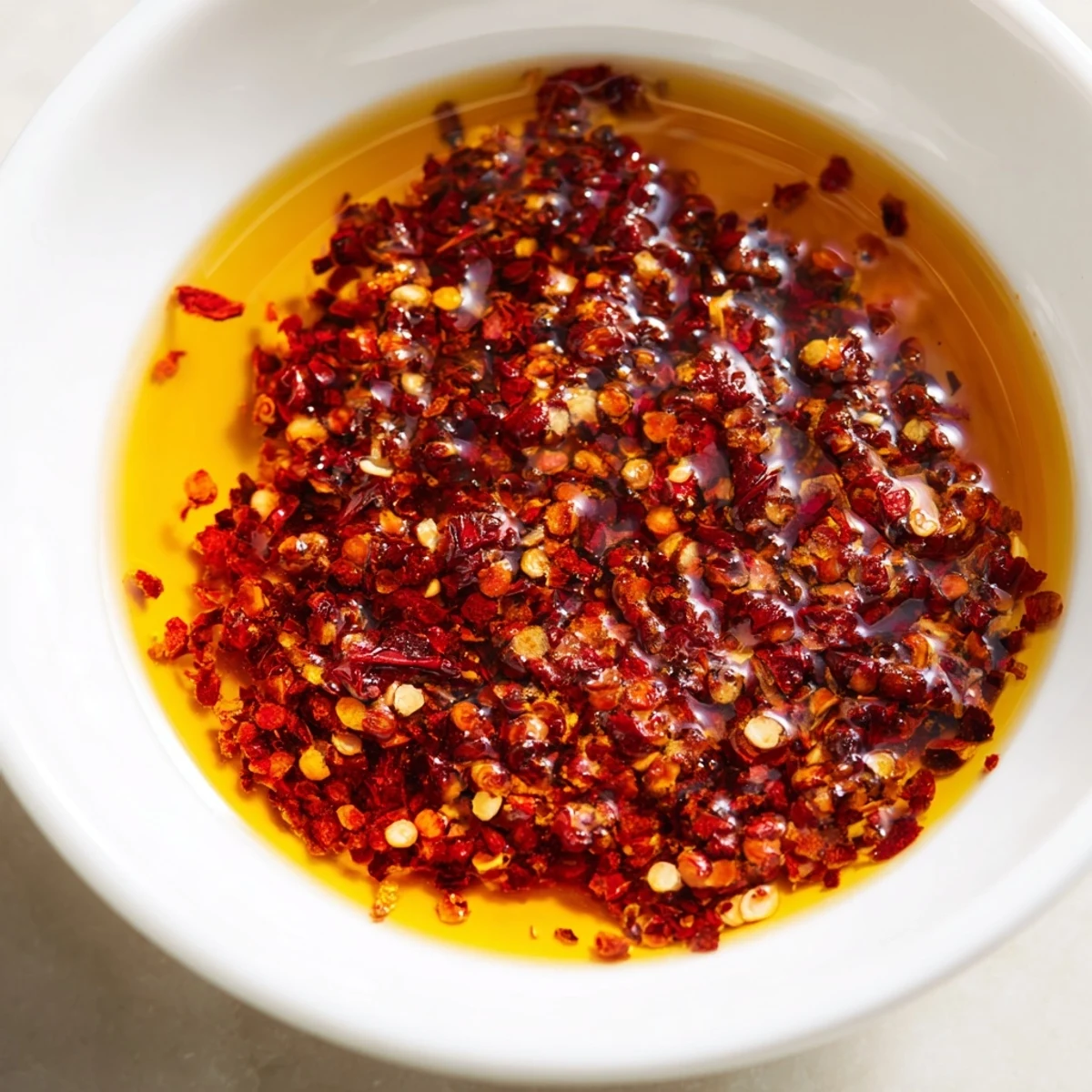
 This aromatic chili oil blends neutral oil with dried chilies, Sichuan peppercorns, star anise, cinnamon, and fresh aromatics like garlic and ginger. Slowly heated to release rich flavors, it’s strained and ready to add a spicy, fragrant kick to noodles, dumplings, or grilled dishes. Easy to prepare in under 30 minutes, this infused oil keeps well when stored properly, making it a versatile condiment for vibrant, Asian-inspired meals.
I discovered this chili oil years ago at a cramped noodle stall tucked between two buildings, where the owner kept a jar of it on every table like liquid gold. The first drizzle over my bowl transformed everything—suddenly the noodles tasted alive, layered with warmth and complexity I couldn't quite name. I spent months trying to reverse-engineer it, burning batches, over-steeping spices, until I finally understood that patience and balance were everything. Now it's the first thing I make when my pantry feels empty.
I made a batch for my roommate on a Tuesday night when she came home exhausted from work, and she poured it over a simple bowl of ramen with a soft-boiled egg. She closed her eyes after the first bite and didn't say anything for a while—just kept going back for more. That's when I knew this wasn't just a condiment; it was permission to turn something ordinary into something that felt like care.
Ingredients
- Neutral oil: Canola, peanut, or grapeseed work beautifully—they don't compete with the spices and stay stable when infused.
- Dried red chilies: These add depth that fresh chilies can't quite match; roughly chop them to release their flavor as they bloom.
- Sichuan peppercorns: They create that distinctive numbing sensation that makes your mouth tingle pleasantly—not the same as black pepper at all.
- Star anise and cinnamon: A small amount brings unexpected warmth and sweetness that balances the heat beautifully.
- Fresh ginger and garlic: Smashing them releases their oils, infusing the entire batch with aromatic punch.
- Crushed red pepper flakes: Korean gochugaru and Chinese chili flakes are finer and more nuanced than generic brands, worth seeking out if you can.
- Salt: This isn't just seasoning; it draws out moisture and helps the flakes absorb the infused oil.
Instructions
- Prepare your base:
- Combine your crushed red pepper flakes with salt in a heatproof bowl and set it somewhere you won't forget about it. This is where the magic happens, so don't skip this step.
- Build your aromatics:
- Into a small saucepan, add your oil along with the whole and chopped spices, garlic, ginger, and scallions. The combination should smell promising already—if it doesn't excite you at this point, add more of what you love.
- Gently infuse the oil:
- Turn the heat to medium-low and listen for a gentle, quiet sizzle—not aggressive bubbling. Stir occasionally over 5 to 7 minutes, watching as the dried ingredients deepen in color and the oil becomes fragrant and amber-hued.
- Deepen the flavors:
- Lower the heat to its minimum and let everything simmer together for another 8 to 10 minutes. This is when the magic compound, the moment where patience pays off—the oil should smell incredible and the solids should be golden, never blackened.
- Strain while hot:
- Carefully pour the hot oil through a fine-mesh sieve directly into your bowl of chili flakes and salt. The heat will bloom those flakes, awakening their full potential in seconds.
- Cool and store:
- Let everything come to room temperature—this matters more than you'd think, as cooling locks in the flavors. Pour into a clean, airtight jar and tuck it away in a cool, dark spot for up to a month.
 Save to Pinterest
 I once forgot a jar on the counter for three days and found it separated and murky—a total loss that taught me the importance of proper storage. Now I keep mine in a cool cabinet away from direct light, and it stays vibrant and ready for anything. The lesson stuck with me: small details make the difference between something good and something you'll want to make again and again.
Where This Oil Shines
This isn't a condiment that hides in the background—it's meant to be noticed. Drizzle it over soft-boiled eggs where the warm yolk mingles with the heat and spice, or use it on crispy dumplings where the oil pools in the folds. Simple noodles transform under just a teaspoon of this, and grilled or roasted vegetables suddenly taste intentional and restaurant-worthy. The beauty is that it works equally well on something you grabbed from the fridge at midnight as it does on something you spent an hour preparing.
Customizing Your Batch
The base recipe is solid, but your version should reflect what excites your palate. If you love heat, add more chili flakes or leave the dried chilies whole instead of chopping them. For something sweeter, a tiny pinch of sugar whispers into the background without announcing itself. Some people add a slice of lemongrass or a Thai bird's eye chili for brightness, or swap the cinnamon for a cardamom pod if you want something more exotic.
Small Moments That Matter
Making this oil is one of those kitchen tasks that feels almost meditative—you're not rushing, you're not stressing, you're just creating something delicious with intention. The smell that fills your kitchen is the kind that makes everyone ask what you're cooking, and when you tell them it's just chili oil, they look at you like you've discovered something nobody else knows. It's a humble condiment, but it carries a kind of quiet confidence that turns every meal into something worth savoring.
- Use a fine-mesh sieve to catch even the smallest spice fragments—they sink to the bottom and can make the oil gritty if left in.
- Label your jar with the date so you know when to use it up, and resist the urge to refrigerate unless your kitchen runs very warm.
- Make extra because once people taste this on their food, they'll start requesting it.
 Save to Pinterest
 This chili oil is proof that the simplest projects often yield the most satisfying results. Keep a jar on hand, and you'll find yourself reaching for it again and again.
Your Recipe Questions
- → What oil is best for chili oil infusion?
-
Neutral oils with high smoke points like canola, peanut, or grapeseed oil work best for balanced flavor and stability during heating.
- → How do the spices affect the flavor?
-
Sichuan peppercorns add a unique numbing heat, while star anise and cinnamon provide subtle warmth and depth. Fresh garlic and ginger boost aroma and complexity.
- → Can I adjust the heat level in this chili oil?
-
Yes, increase or decrease crushed red pepper flakes and dried chilies to tailor the spiciness to your preference.
- → How should I store the infused chili oil?
-
Store in an airtight jar in a cool, dark place for up to one month to maintain freshness and flavor.
- → What dishes complement this chili oil best?
-
It’s excellent drizzled over noodles, dumplings, stir-fries, or grilled meats to add a spicy, aromatic punch.