
 Save to Pinterest
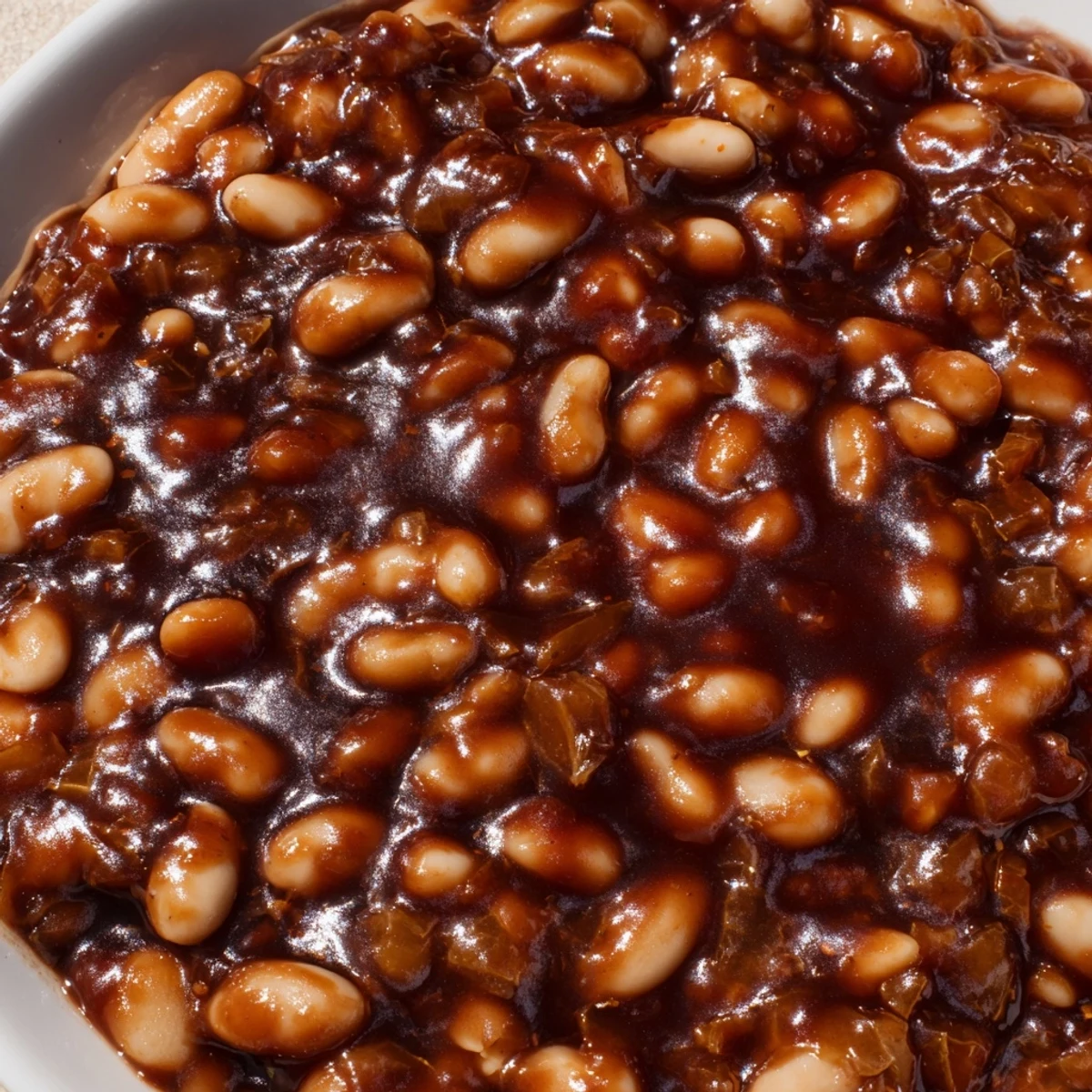
 These quick barbecued beans bring together tender navy or pinto beans with a rich, smoky homemade sauce made from ketchup, molasses, brown sugar, and smoked paprika. Ready in just 35 minutes, they make an ideal side dish for weeknight dinners, backyard cookouts, or potluck gatherings.
The beans are simmered low and slow until the sauce thickens and coats every bean in sweet, tangy goodness. A hint of cayenne adds optional heat, while apple cider vinegar and Dijon mustard balance the sweetness perfectly.
The smell of sweet molasses hitting a hot pan is one of those things that makes everyone wander into the kitchen asking when dinner is ready.
I brought these to a backyard potluck last summer and watched a friend who swears she hates beans go back for her third spoonful.
Ingredients
- Navy or pinto beans (2 cans, 15 oz each, drained and rinsed): Canned beans are the shortcut here and they absorb the sauce beautifully without turning to mush.
- Small onion, finely chopped: The onion creates a savory base that gives the sauce depth beyond just sweetness.
- Garlic, 1 clove minced: A single clove is enough because it mingles with the smoked paprika instead of overpowering it.
- Ketchup (1 cup): This is the backbone of the sauce and a trick home cooks have relied on for generations.
- Brown sugar (2 tbsp): It dissolves into the sauce and adds a caramel richness that white sugar cannot match.
- Apple cider vinegar (2 tbsp): The acidity cuts through the sweetness and makes every bite feel balanced.
- Dijon mustard (1 tbsp): A quiet ingredient that adds a slight sharpness and helps the sauce cling to every bean.
- Molasses or honey (2 tbsp): Molasses gives that old fashioned baked bean character while honey keeps things milder.
- Worcestershire sauce (1 tbsp): Use a vegan version if needed because this adds umami that nothing else can replicate.
- Smoked paprika (1 tsp): This is what makes the beans taste like they spent time on a grill even though they never left the stove.
- Black pepper and salt (1/2 tsp each): Seasoning is personal so start here and adjust at the end.
- Cayenne pepper (1/4 tsp, optional): Just a pinch adds a gentle warmth that does not overwhelm anyone at the table.
- Olive oil (1 tbsp): Used to soften the onion and carry the flavors through the whole dish.
Instructions
- Soften the aromatics:
- Heat the olive oil in a medium saucepan over medium heat and cook the onion for 3 to 4 minutes until it turns translucent and fragrant.
- Wake up the garlic:
- Stir in the minced garlic and let it cook for about 30 seconds just until you can smell it bloom in the oil.
- Add the beans:
- Pour in the drained beans and stir gently to coat them in the onion mixture without crushing them.
- Build the sauce:
- Add the ketchup, brown sugar, apple cider vinegar, Dijon mustard, molasses or honey, Worcestershire sauce, smoked paprika, black pepper, salt, and cayenne then stir everything together until the beans are swimming in a deep red sauce.
- Simmer and meld:
- Bring the mixture to a simmer then reduce the heat to low, cover the pan, and let it cook for 20 minutes stirring every few minutes so nothing sticks to the bottom.
- Thicken to your liking:
- Remove the lid and cook for another 3 to 5 minutes if you want the sauce to cling tightly to each bean rather than pool at the bottom.
- Taste and serve:
- Give the beans a final taste and add more salt or vinegar if needed then serve hot alongside whatever makes you happy.
 Save to Pinterest
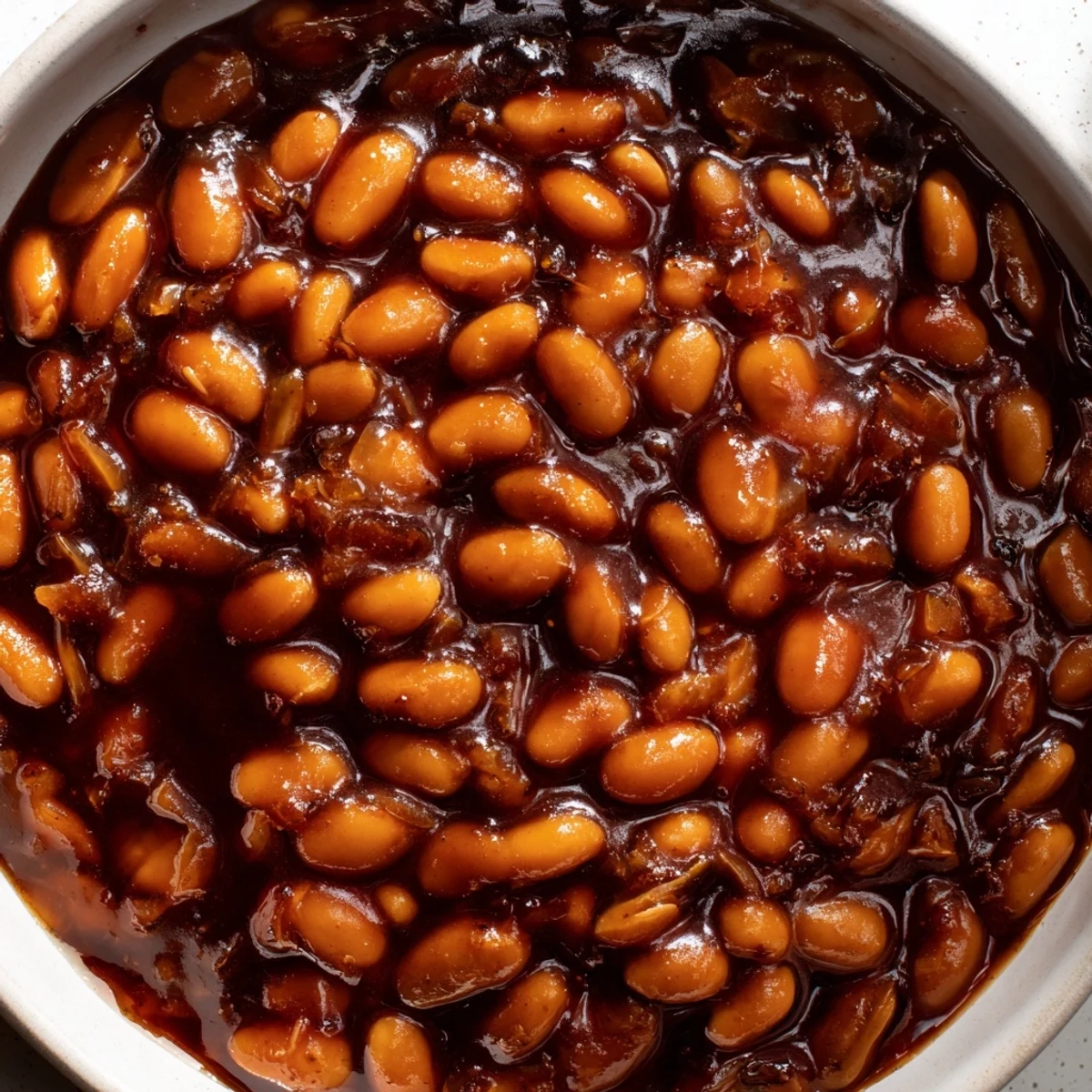
 There is something deeply satisfying about stirring a pot of beans and watching the sauce thicken into something that smells like summer cookouts and slow Sundays.
What to Serve Alongside
These beans are a natural companion to anything off the grill but they are equally at home next to a wedge of cornbread on a random Tuesday night.
Making It Your Own
A few drops of liquid smoke or some crumbled smoked tempeh stirred in at the end takes the flavor in a bolder direction if you are feeling adventurous.
Storage and Leftovers
The beans keep well in the fridge for up to four days and honestly they taste even better the next day when the sauce has had time to settle into every crevice.
- Reheat gently on the stove with a splash of water to loosen the sauce.
- Freeze portions in airtight containers for up to three months for an easy side dish on busy nights.
- Always taste after reheating because a tiny pinch of salt or vinegar can bring the flavors back to life.
 Save to Pinterest
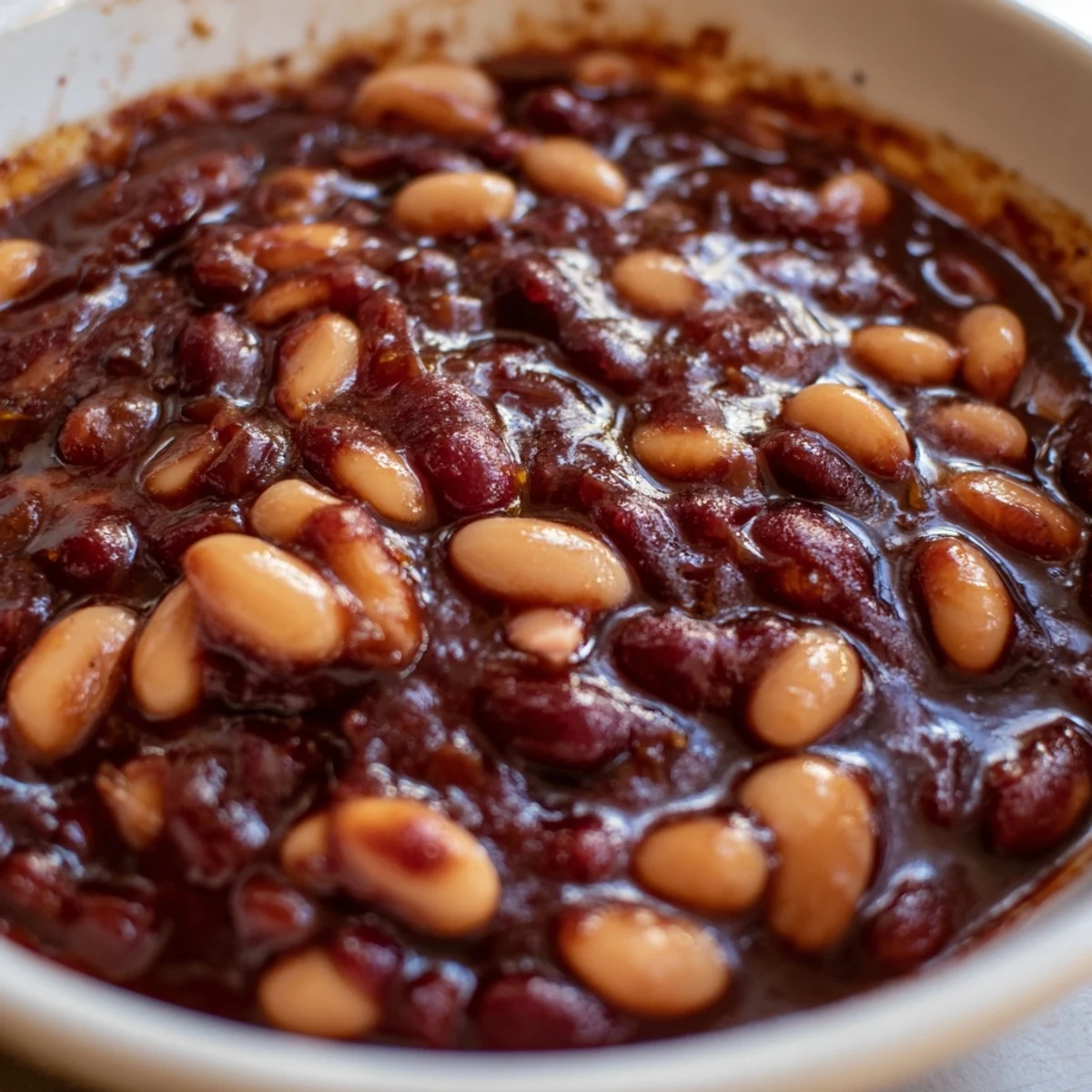
 A pot of these beans on the stove is really all the invitation anyone needs to pull up a chair and stay a while.
Your Recipe Questions
- → Can I use dried beans instead of canned?
-
Yes, you can substitute dried beans that have been soaked and cooked until tender. Use about 3 cups of cooked beans to replace the two cans. Keep in mind this will add several hours to your overall preparation time.
- → How do I store leftover barbecued beans?
-
Store cooled beans in an airtight container in the refrigerator for up to 4 days. They actually taste even better the next day as the flavors continue to develop. Reheat gently on the stovetop or in the microwave.
- → Can I make these beans in a slow cooker?
-
Absolutely. Sauté the onions and garlic first, then transfer everything to a slow cooker. Cook on low for 4 to 6 hours or on high for 2 to 3 hours until the sauce has thickened and the flavors have melded together.
- → What dishes pair well with barbecued beans?
-
These beans complement grilled meats, veggie burgers, hot dogs, and sandwiches beautifully. They also work well alongside cornbread, coleslaw, grilled vegetables, or as part of a larger barbecue spread with potato salad and rolls.
- → How can I make the sauce thicker?
-
Remove the lid during the last 5 minutes of cooking and let the sauce reduce naturally. For an even thicker consistency, you can mash a small portion of the beans against the side of the pot and stir them back in, or let the beans cool slightly before serving.
- → Are these beans suitable for vegans?
-
They can easily be made vegan by replacing honey with maple syrup or additional molasses and using a vegan Worcestershire sauce. All other ingredients are naturally plant-based, making the swap straightforward.