
 Save to Pinterest
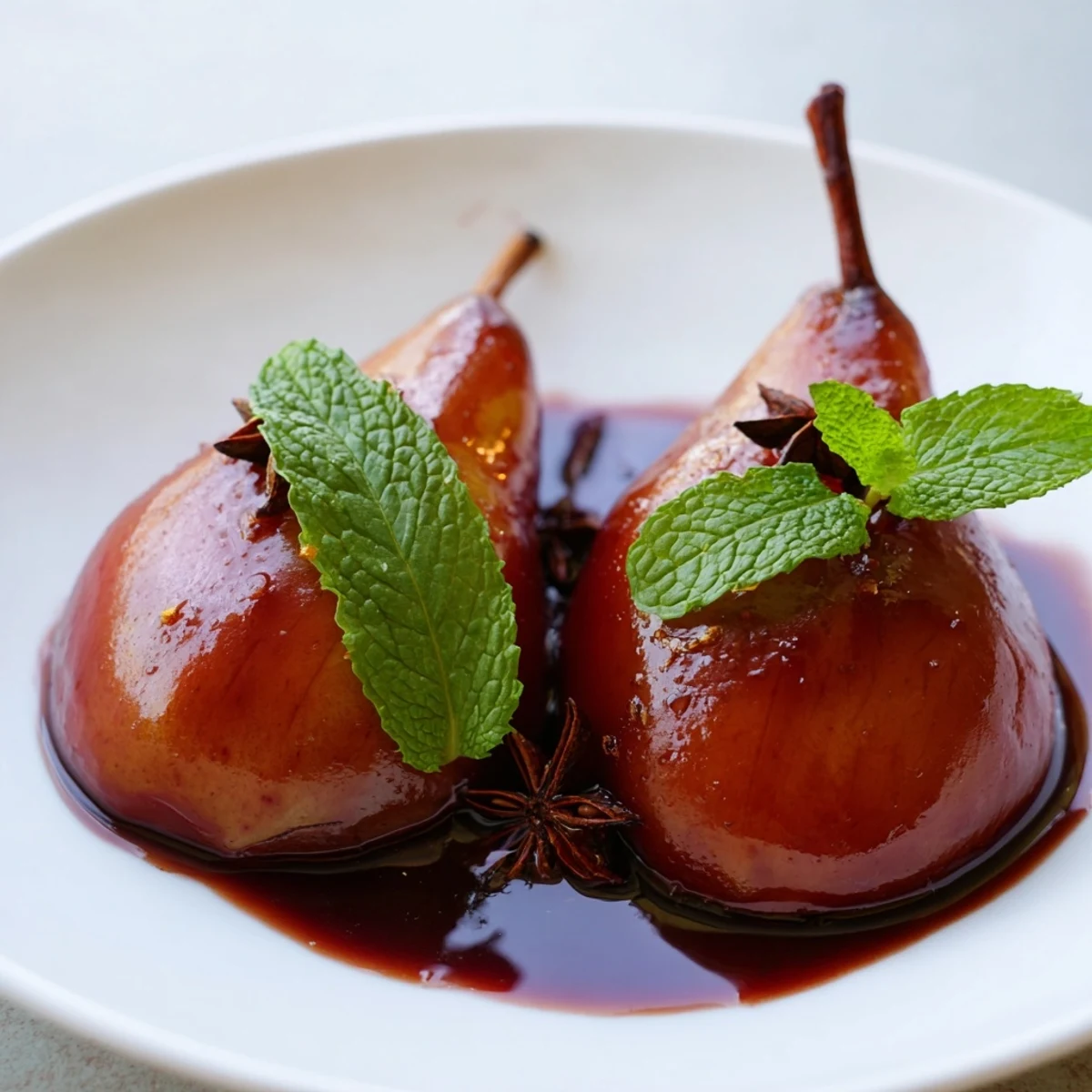
 Poach ripe pears in a fragrant blend of red grape juice, cinnamon, star anise, cloves, vanilla, and orange zest. Simmer gently until tender, then reduce the liquid to a syrupy glaze. This elegant preparation highlights the pears' natural sweetness while infusing warm, aromatic notes perfect for intimate dinners or festive occasions. Serve with fresh mint and a dollop of whipped cream or ice cream for a harmonious balance of flavors and textures.
The kitchen was quiet except for the gentle bubble of grape juice on the stove, filling the room with the most unexpected perfume. I'd been skeptical about poaching pears in grape juice instead of wine, but one spoonful of that reduced syrup changed everything. The natural sweetness of the grapes concentrates into something almost wine-like, minus the alcohol. My dinner guest actually asked what vintage I'd used.
I first made these for an anniversary dinner when we'd both given up alcohol for a month but still wanted something that felt special and indulgent. The way the pears turn translucent and jewel-toned as they poach is mesmerizing to watch. We ended up eating them straight from the pan while standing at the counter, dessert spoons in hand, completely abandoning any pretense of a proper plated dessert.
Ingredients
- 4 ripe but firm pears: Bosc or Anjou hold their shape beautifully during poaching, avoiding that sad mushy situation
- 750 ml red grape juice: 100% juice is crucial here, anything with added sugar throws off the delicate balance
- 50 g granulated sugar: Just enough to round out the natural grape sweetness without overpowering
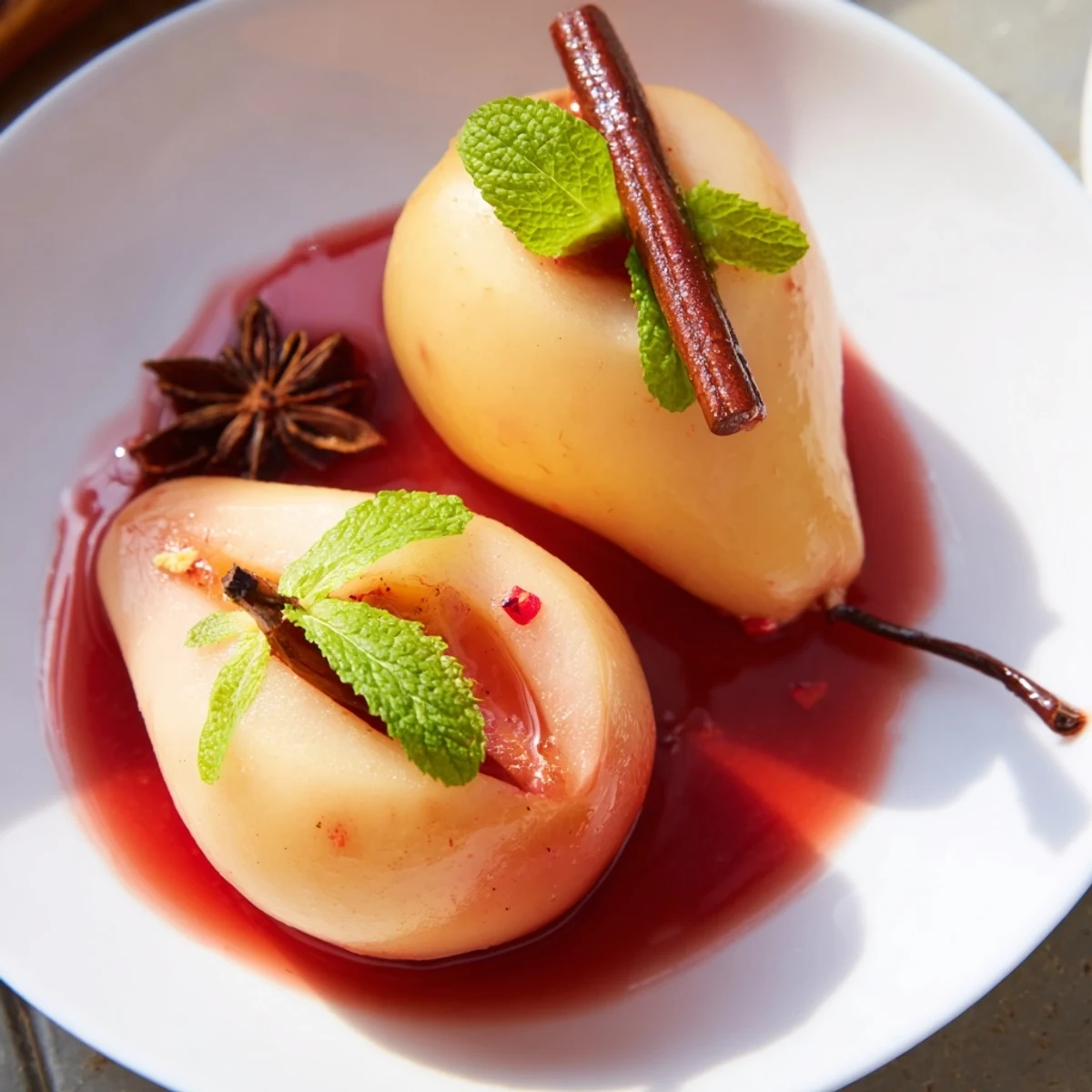
- 1 cinnamon stick: Whole spices infuse gently and look gorgeous when you serve the pears
- 2 whole star anise: This adds a subtle licorice note that makes people wonder what your secret ingredient is
- 3 whole cloves: A tiny amount goes a long way, adding warmth without tasting like Christmas potpourri
- 1/2 vanilla bean: Freshly split vanilla bean makes the syrup taste luxurious, though extract works in a pinch
- Zest of 1 orange: Use a vegetable peeler to get strips instead of grated zest for easy removal
- Fresh mint leaves: The pop of green against the red pears makes this dessert camera-ready
- Whipped cream or vanilla ice cream: Optional but recommended for that creamy contrast against the tender fruit
Instructions
- Build your fragrant bath:
- Combine the grape juice, sugar, cinnamon stick, star anise, cloves, split vanilla bean, and orange zest strips in a medium saucepan. Let everything come to a gentle simmer over medium heat, stirring occasionally until you can see the sugar has completely disappeared into the juice.
- Introduce the pears:
- Carefully lower those peeled, halved, and cored pears into the now-fragrant liquid. Tuck them in cut-side down, and if they're not quite submerged, don't panic, just add a splash of water.
- Let them get comfortable:
- Reduce the heat to maintain the gentlest simmer possible and cook for 20 to 25 minutes. Turn the pears every so often so they color evenly, and you'll know they're done when a paring knife slides in with zero resistance.
- Give the pears a break:
- Lift the pears out with a slotted spoon and set them aside on a plate while you work some magic on that poaching liquid.
- Create the ruby syrup:
- Crank up the heat and let that grape juice mixture bubble away for 5 to 10 minutes. You want it to reduce until it coats the back of a spoon and looks like something you'd drizzle over ice cream on purpose.
- Bring it all together:
- Fish out and discard the spent spices and orange zest, then either return the pears to the warm syrup to hang out until serving or plate them immediately with that gorgeous reduced syrup drizzled over the top.
- Make it pretty:
- Tuck a few fresh mint leaves around the pears and add a dollop of whipped cream or a scoop of vanilla ice cream if you're feeling extra indulgent.
 Save to Pinterest
 These have become my go-to dinner party dessert because they look impressive but are virtually foolproof. I love how the grape juice reduction catches the light just so, turning a simple fruit dessert into something that feels like it came from a restaurant kitchen.
Making It Your Own
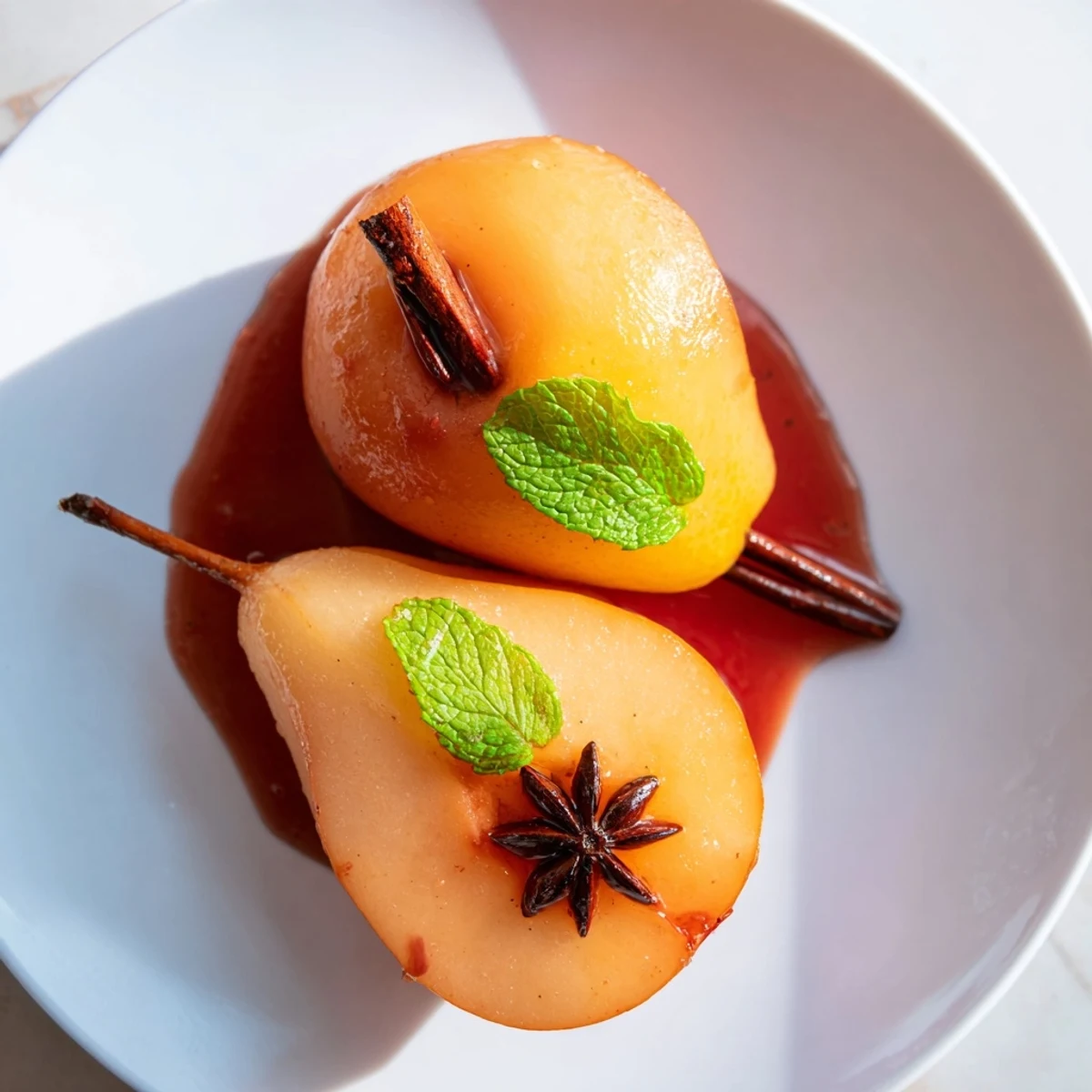
White grape juice works beautifully if you want something lighter and more delicate in both appearance and flavor. The color will be golden instead of that deep ruby red, but it's just as elegant and perhaps even more versatile.
Serving Suggestions
These pears are equally lovely served warm on a chilly evening or chilled during warmer months. I've found they pair beautifully with almond cookies, biscotti, or even a simple shortbread cookie for texture contrast.
Storage & Make-Ahead Tips
The pears will keep beautifully in the refrigerator for up to three days when stored in their syrup. In fact, I often make them a day ahead because that extra infusion time makes the flavors even more pronounced and the pears more tender.
- Store the pears submerged in the syrup to prevent them from drying out or oxidizing
- Gently reheat the syrup if serving warm, but be careful not to let it bubble up and reduce further
- Whipped cream is best added fresh, while ice cream can be scooped just before serving
 Save to Pinterest
 There's something deeply satisfying about a dessert that transforms simple ingredients into something elegant enough for a romantic dinner but humble enough for a Tuesday night treat.
Your Recipe Questions
- → What type of pears work best for poaching?
-
Firm varieties like Bosc or Anjou are ideal as they hold shape well during poaching and become tender without falling apart.
- → Can white grape juice be used instead?
-
Yes, white grape juice offers a lighter color and flavor that still enhances the pears beautifully.
- → How long should the pears be simmered?
-
Simmer the pears gently for about 20 to 25 minutes until they are tender but still intact.
- → What spices are recommended for the poaching liquid?
-
Cinnamon stick, star anise, cloves, vanilla, and orange zest provide a warm and aromatic flavor profile.
- → How can the poaching liquid be thickened?
-
After removing the pears, increase heat and reduce the liquid for 5 to 10 minutes until it becomes slightly thick and syrupy.