
 Save to Pinterest
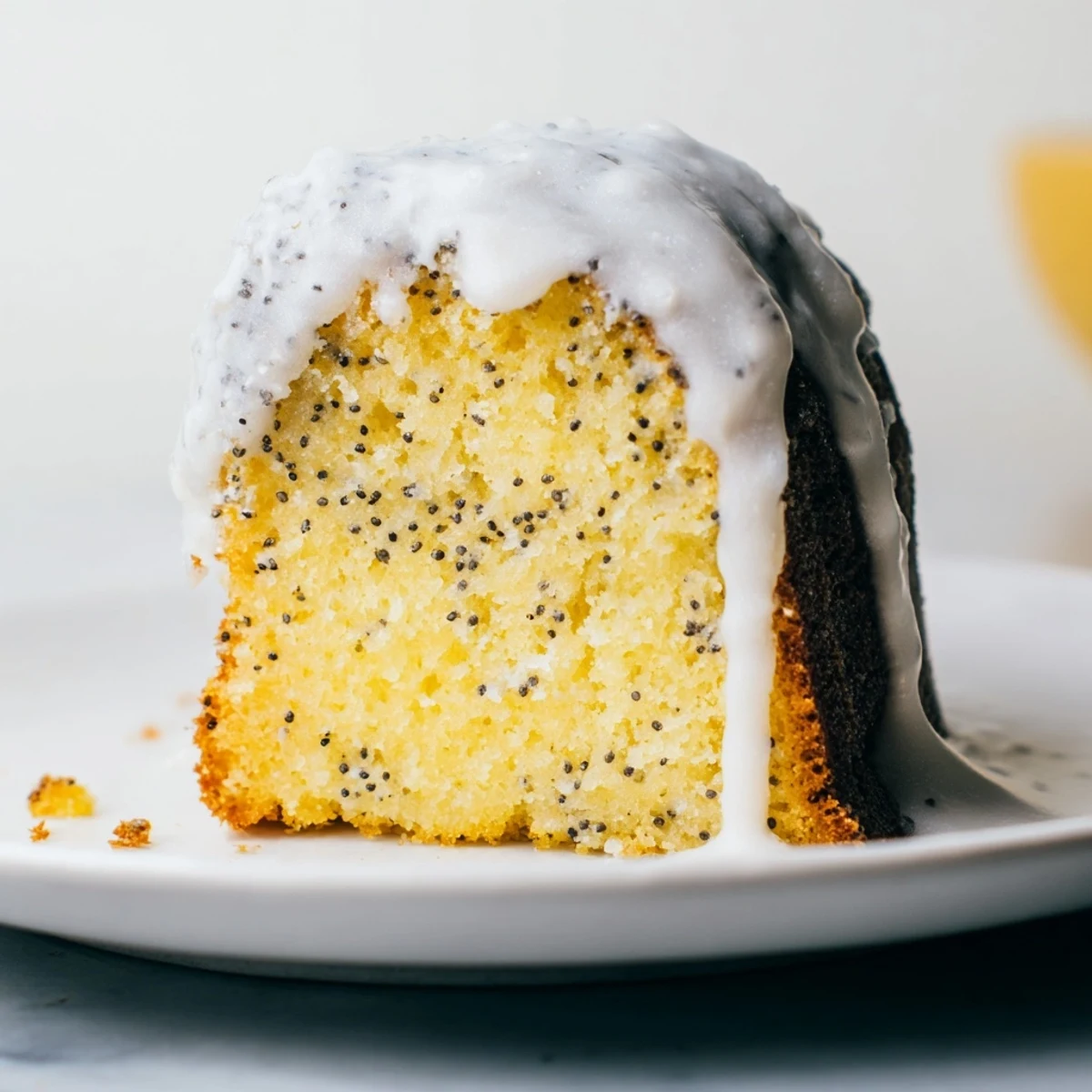
 This moist bundt cake combines fresh lemon zest and juice with crunchy poppy seeds to create a bright, tangy flavor. It is baked in a 10-cup pan to a delicate, tender crumb and finished with a sweet lemon glaze. The balance of citrus and seeds offers a delightful texture contrast, making it a refreshing dessert or snack. Preparation involves creaming butter and sugar before alternating dry ingredients with sour cream, ensuring a light yet rich bite. Allow the cake to cool fully before glazing for the best finish.
There's something about lemon cake that stops me mid-morning—suddenly I'm thinking about butter and zest and the smell of something bright baking. This Bundt cake arrived in my kitchen on a Wednesday when I needed to bring dessert somewhere, and I grabbed lemons from the market without much of a plan beyond knowing that poppy seeds would add that little textural surprise. The first time I pulled it from the oven, the whole house filled with this citrus warmth that made everyone pause.
My neighbor asked me to bring dessert to a book club meeting, and I made this cake the afternoon before—I remember opening the oven door and the kitchen just filling with steam and that clean lemon smell, and thinking this was going to work out. By the time everyone arrived, it had cooled completely and the glaze had set into this thin, tangy shell on top, and watching people come back for seconds made the whole quiet baking afternoon feel worthwhile.
Ingredients
- All-purpose flour (2 ¾ cups): This is your structure—make sure it's not packed down when you measure, or use a kitchen scale for accuracy.
- Poppy seeds (2 tablespoons): These tiny seeds add a subtle nuttiness and those little flavor pockets; don't skip them even though they seem small.
- Baking powder and baking soda (1 ½ teaspoons and ½ teaspoon): The combination lifts the cake so it's tender rather than dense.
- Salt (½ teaspoon): This brings out the lemon flavor and balances the sweetness.
- Unsalted butter (1 cup): Room temperature butter creams properly, which traps air and makes the cake light.
- Granulated sugar (2 cups): This dissolves into the butter, creating that pale, fluffy base.
- Eggs (4 large): Room temperature eggs mix into the batter more smoothly and don't shock the butter.
- Lemon zest and juice (1 tablespoon zest and ¼ cup juice): Fresh lemons make all the difference—bottled juice tastes flat by comparison.
- Vanilla extract (1 teaspoon): This rounds out the flavor and deepens the lemon notes.
- Sour cream (1 cup): This adds richness and keeps the crumb tender; don't use Greek yogurt as a substitute.
- Powdered sugar for glaze (1 cup): Sifting it prevents lumps that catch in your teeth.
Instructions
- Set up your pan and oven:
- Preheat to 350°F and grease your Bundt pan with butter, then dust with flour, getting into every ridge and corner—this is not the time to rush or assume the non-stick will hold. A cake stuck to the pan is a heartbreak you can avoid with an extra 30 seconds of care.
- Mix your dry ingredients:
- Whisk together the flour, poppy seeds, baking powder, baking soda, and salt in a medium bowl. Setting this aside now means you won't scramble to find it later.
- Cream butter and sugar:
- In a large bowl with an electric mixer, beat the softened butter and sugar together until it's pale and fluffy, about 3 to 4 minutes—you're literally incorporating air into the butter, which lifts the whole cake. Stop and scrape the sides with a spatula halfway through.
- Add eggs and flavorings:
- Add eggs one at a time, beating well after each addition so the previous egg is fully incorporated before the next arrives. Mix in the lemon zest, lemon juice, and vanilla extract, letting the mixer run just until everything is combined.
- Layer in dry and wet components:
- Alternate adding the flour mixture and sour cream to the egg mixture, starting with flour and ending with flour—this keeps the batter stable. Use the lowest mixer speed and stop as soon as you see no streaks of flour; overmixing develops gluten and makes the cake tough.
- Pour and smooth:
- Transfer the batter to your prepared Bundt pan and use a spatula to gently smooth the top so it bakes evenly. You can give the pan a gentle tap on the counter to release any air bubbles.
- Bake until golden:
- Bake for 40 to 45 minutes, checking with a toothpick in the center—it should come out clean or with just a few moist crumbs clinging to it. The cake will smell incredible and pull slightly from the edges of the pan.
- Cool with patience:
- Let it rest in the pan for 15 minutes—this helps it set so it doesn't fall apart when you turn it out. Then invert it onto a cooling rack and let it cool completely before glazing.
- Make and apply the glaze:
- Whisk powdered sugar with 2 tablespoons lemon juice, adding more juice a teaspoon at a time until it's pourable but not watery. Drizzle it over the cooled cake and let it set for 15 minutes so it firms up just enough before you slice.
 Save to Pinterest
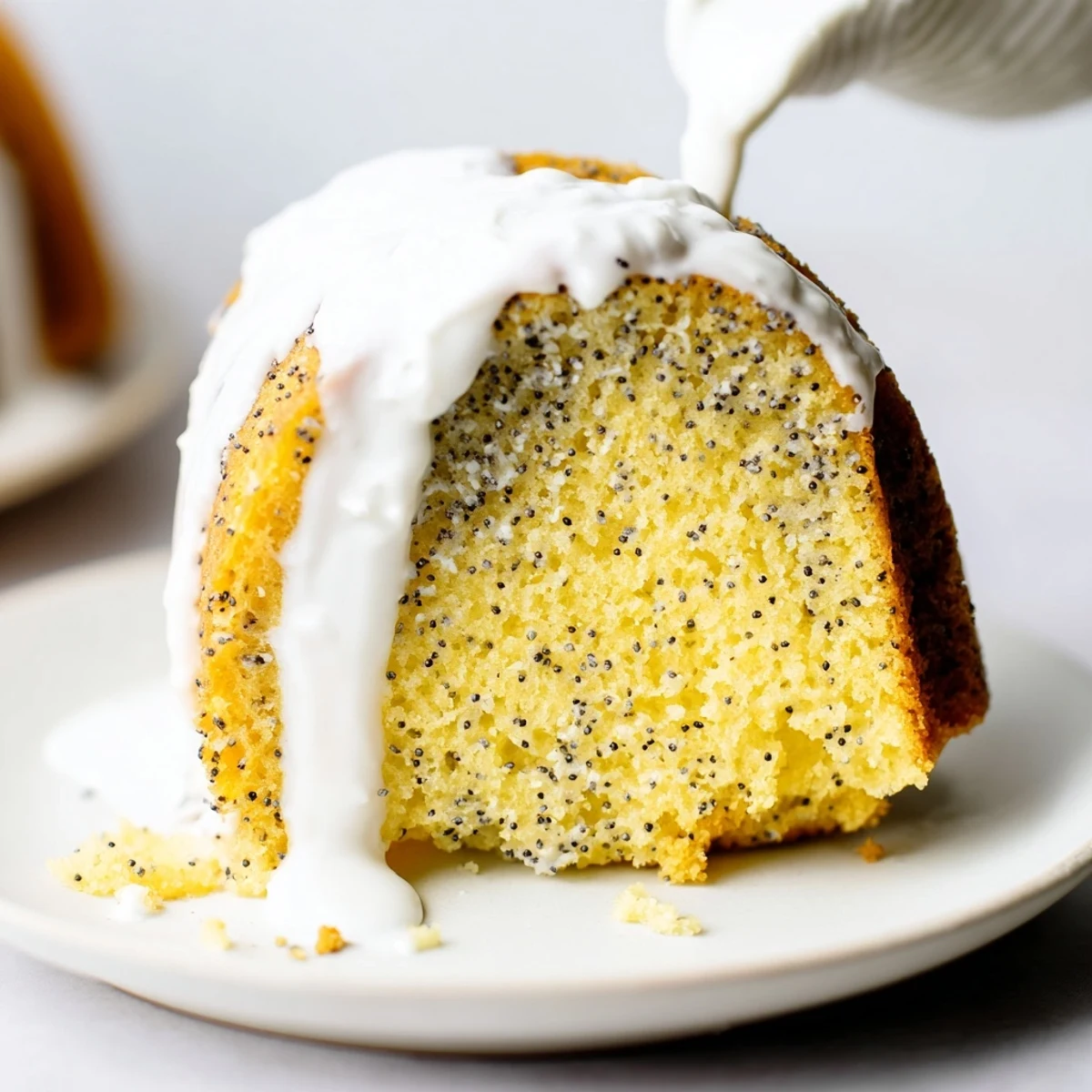
 The moment the glaze dripped down the sides of this cake, I realized it had become the kind of dessert people remember—not because it's complicated, but because it's exactly what it promises to be, bright and tender and never dry. That's when baking stops being a task and becomes something you're proud to share.
The Lemon Question
Fresh lemon is not negotiable here—the acid needs to taste alive, not muted. If you're using lemons that feel hard or dull-skinned, they won't have much juice or brightness, so buy a few extra. Zesting is easiest with a microplane, which gets you the fragrant yellow part without the bitter white pith underneath. Roll the lemon on the counter before cutting it in half; this loosens the cells and helps you squeeze out more juice.
Storage and Keeping
This cake stays moist and lovely for 2 to 3 days covered at room temperature—in fact, many people say it tastes better the second day because the flavors settle and the crumb becomes even more tender. If you need to keep it longer, wrap it well and freeze it for up to a month, but bring it to room temperature before glazing if you glaze it after freezing. You can also bake the cake ahead, skip the glaze, and add it the morning you're serving, which keeps the top fresher and brighter-looking.
Serving Suggestions and Moments
Serve this cake with fresh berries in late spring, with whipped cream in summer, or simply on its own with good coffee when you want something quiet and thoughtful. It's dressy enough for a dessert table but homey enough to bring to a neighbor or friend.
- A slice with a cup of tea is one of life's underrated pleasures—quiet and perfect.
- If you want to gild the lily, a few candied lemon slices on top make it look like you spent your whole day on it.
- Leftovers are best stored in an airtight container so the crumb doesn't dry out, even though leftover usually means there isn't any.
 Save to Pinterest
 This cake has a way of becoming a regular in your kitchen once you make it the first time. It's the kind of dessert that feels both simple and special, which is really the whole point.
Your Recipe Questions
- → How do I prevent the bundt cake from sticking?
-
Thoroughly grease and flour the bundt pan, especially the crevices, to help the cake release cleanly after baking.
- → Can I use fresh lemon juice in the glaze?
-
Yes, fresh lemon juice is ideal for the glaze, providing a bright tang that complements the sweetness perfectly.
- → What is the role of sour cream in the batter?
-
Sour cream adds moisture and richness, contributing to a tender crumb and balancing the cake's citrus flavors.
- → How long should the cake cool before glazing?
-
Allow the cake to cool completely, at least 15 minutes to settle, before applying the lemon glaze to prevent melting.
- → Are poppy seeds essential in this cake?
-
Poppy seeds provide a pleasant crunch and subtle nuttiness, enhancing the texture and flavor contrast with the lemon.