
 Save to Pinterest
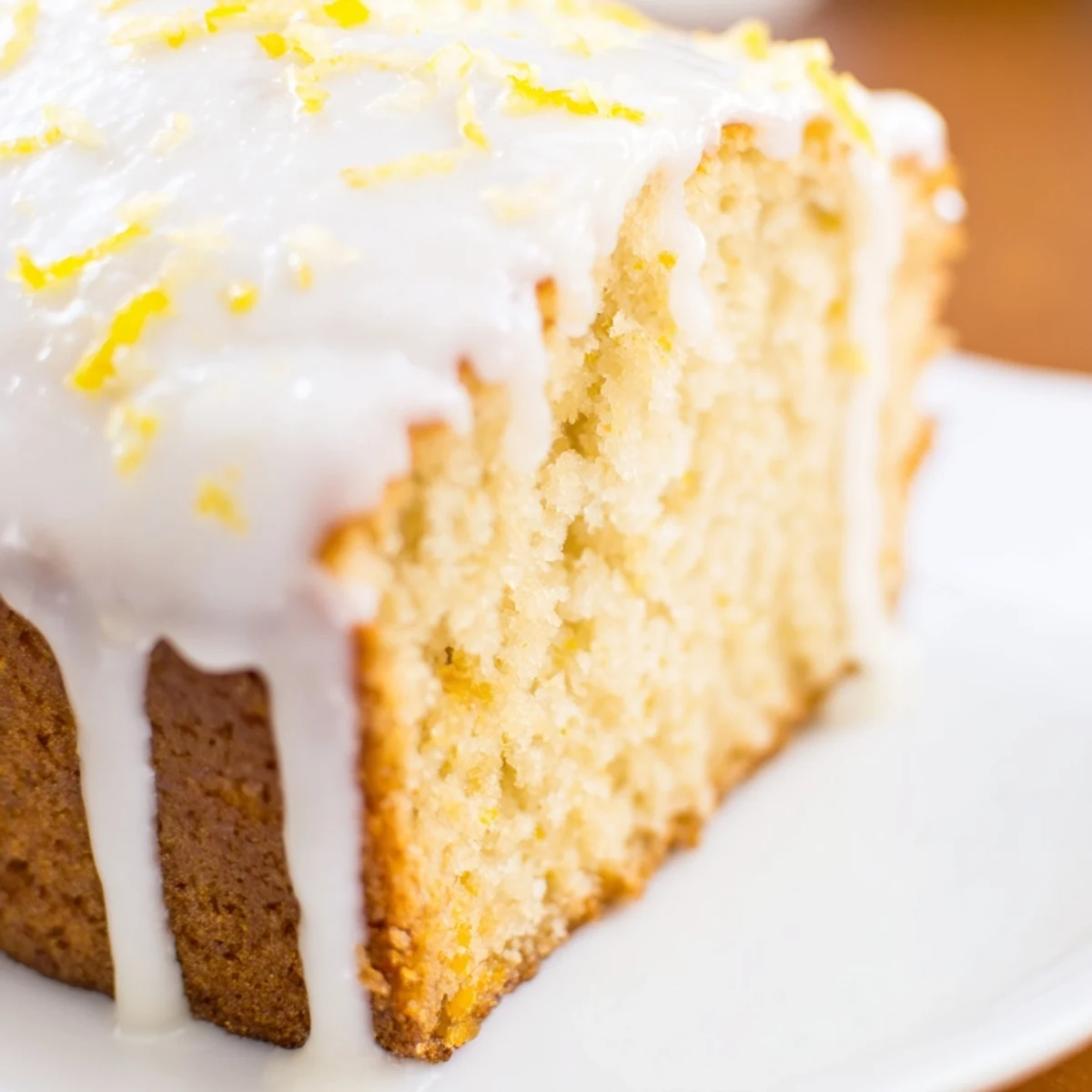
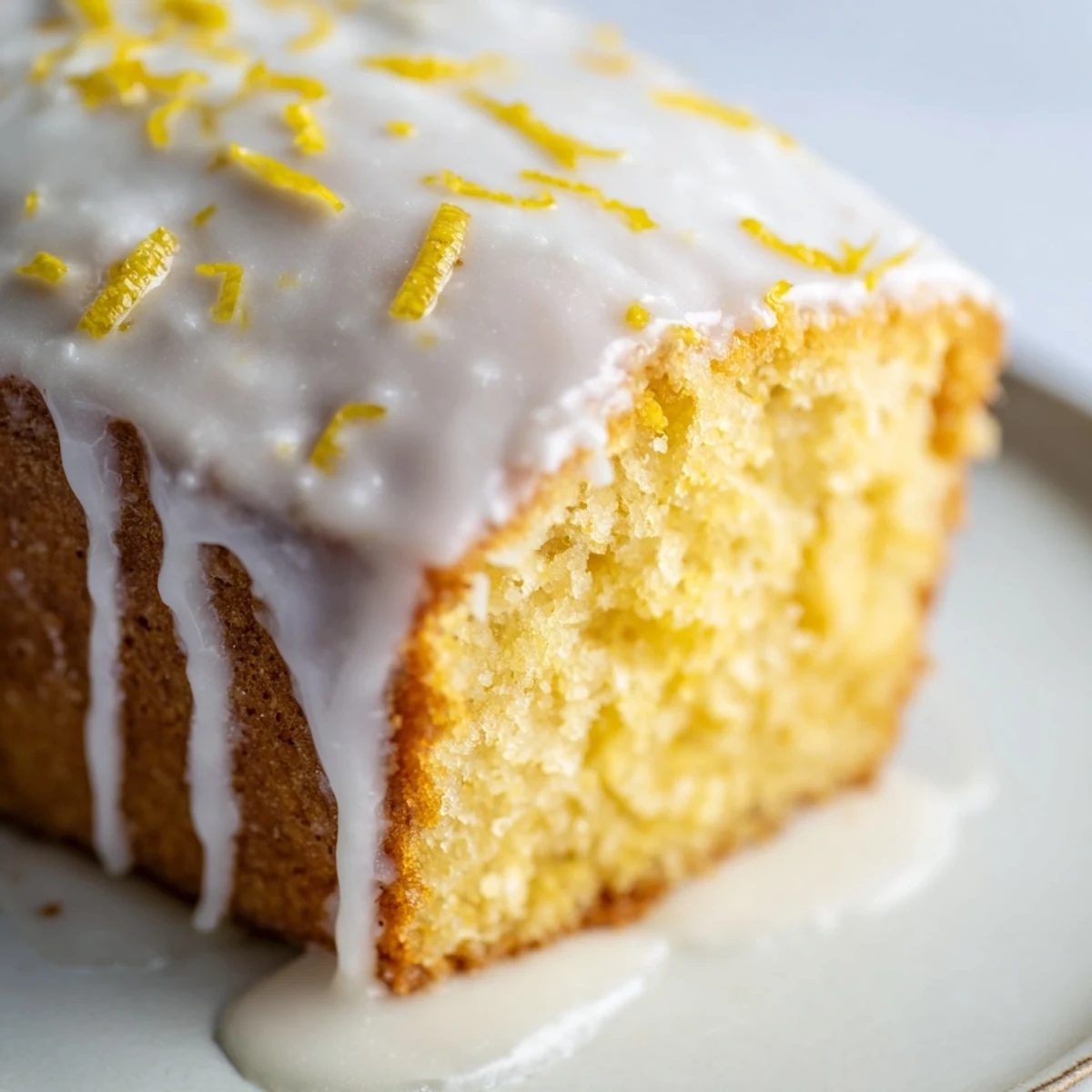
 This lemon loaf offers a moist and tender crumb infused with fresh lemon zest and juice. The tangy-sweet glaze adds a glossy finish and an extra burst of citrus flavor. Easy to prepare with common ingredients, it's perfect as a breakfast treat, snack, or light dessert. Baking ensures a soft texture that pairs wonderfully with tea or sparkling beverages.
There's something about the smell of lemon zest hitting hot butter that makes a kitchen feel instantly brighter. I stumbled onto this loaf recipe on a grey afternoon when I was craving something citrusy but didn't want to fuss with a layer cake. The first time it came out of the oven, I knew I'd found something special—moist, tender crumb with that perfect tart-sweet punch that makes you want another slice before the first one is even finished.
I made this for my neighbor's book club one Tuesday, and she ate two slices standing up at the counter while telling me about her daughter's college acceptance. That's when I realized it wasn't just a recipe—it was the kind of thing that makes people linger in your kitchen and talk about real stuff. She's asked for it three times since.
Ingredients
- All-purpose flour (1 1/2 cups): The foundation of your crumb—nothing fancy needed, just reliable.
- Baking powder and baking soda (1 tsp and 1/2 tsp): Together they create that tender, almost cloud-like texture without making it dense.
- Salt (1/4 tsp): Don't skip this tiny amount; it wakes up the lemon and balances the sweetness.
- Granulated sugar (1 cup): Your sweetness backbone—measure it level with a knife for consistency.
- Unsalted butter (1/2 cup), softened: Cold butter won't cream properly, so give it 20 minutes on the counter before you start.
- Eggs (2 large), room temperature: Cold eggs won't incorporate smoothly and you'll end up with a weird speckled batter.
- Whole milk (1/2 cup): The acid from lemon juice will slightly curdle it—that's exactly what you want and it's perfectly fine.
- Fresh lemon juice (1/4 cup): Never use bottled; the difference is honestly night and day in how bright your loaf will taste.
- Lemon zest (1 tbsp): Use a microplane if you have one—you want fine, fluffy zest, not those thick yellow chunks.
- Vanilla extract (1 tsp): Pure vanilla only; the imitation kind tastes thin and chemical-y against the bright lemon.
- Powdered sugar (1 cup, sifted): Sifting prevents lumpy glaze, and yes, it matters more than you'd think.
Instructions
- Get your pan ready and heat the oven:
- Preheat to 350°F and prepare your 9x5-inch loaf pan—grease and flour it or line with parchment, whatever you prefer. This step takes literally two minutes but prevents the heartbreak of a stuck loaf.
- Mix your dry ingredients:
- Whisk flour, baking powder, baking soda, and salt together in a medium bowl and set aside. You're distributing the leavening evenly so every bite rises the same way.
- Cream the butter and sugar:
- In a large bowl, beat softened butter and sugar for 2-3 minutes until it's pale and fluffy—this is where you're incorporating air into the batter, which makes it tender. If you skip this step or rush it, your loaf will be dense and gummy.
- Add your eggs and flavorings:
- Add eggs one at a time, beating well after each, then stir in lemon zest and vanilla. The zest releases its oils into the batter, filling it with lemon aroma before it even bakes.
- Combine milk and lemon juice:
- Mix these together in a small bowl—you'll see them start to separate slightly, which is normal and good. This creates a buttermilk-like mixture that tenderizes the cake.
- Alternate wet and dry ingredients:
- Add flour mixture and milk mixture in three additions each, starting and ending with flour, mixing just until combined. Overmixing develops gluten and makes the loaf tough, so use a gentle hand and stop the moment you don't see dry streaks.
- Pour and smooth:
- Transfer batter to your prepared pan and smooth the top with a spatula so it bakes evenly. A small pocket of air at the top is fine and actually looks pretty when baked.
- Bake until golden:
- Bake 45-55 minutes—oven temperatures vary wildly, so start checking at 45 minutes with a toothpick. It should come out clean with maybe a crumb or two clinging to it; if there's wet batter, give it a few more minutes.
- Cool with patience:
- Let it rest in the pan for 10 minutes so it sets just enough to move without falling apart, then turn it out onto a wire rack to cool completely. Glazing a warm loaf is fine, but a completely cool loaf gives you the prettiest finish.
- Make and drizzle the glaze:
- Whisk powdered sugar with 2 tablespoons lemon juice until smooth, adding more juice if it's too thick. You want it pourable but not watery—it should slowly drip down the sides and pool slightly on top.
 Save to Pinterest
 My mom once told me she made this loaf for a potluck and someone asked for the recipe before dessert was even finished being served. That's the moment I realized this recipe transcends the usual polite interest—people genuinely want to know how to make it.
The Secret to a Moist Loaf
The real trick isn't some fancy ingredient—it's that combination of lemon juice mixed with milk. The acid breaks down the milk proteins just slightly, and when it bakes into the crumb, it stays incredibly tender and keeps the loaf from drying out. I've tried this loaf a dozen different ways, and the versions without that milk-lemon mixture get stale faster and taste drier. It's such a simple technique but it makes all the difference between a loaf you eat one slice of and one you keep going back to.
When to Make This
I've learned this loaf works perfectly for almost any occasion. Sunday morning breakfast with strong coffee, a midday break with tea, a last-minute contribution to a potluck—it's genuinely that versatile. The best part is that it's completely done and cooled within about 75 minutes, so even if you forget you need dessert, you have time.
Kitchen Moments and Variations
There's something fun about experimenting once you understand the basic formula. I've poked holes in the loaf and brushed it with extra lemon juice before glazing for an almost candied effect, and I've made it with almond milk when dairy friends came over. The loaf stays just as moist and delicious—the milk is really just there for tender crumb, not flavor. Earl Grey tea is the perfect pairing, by the way; the bergamot and lemon feel made for each other.
- For extra lemon intensity, poke small holes in the warm loaf and brush with undiluted lemon juice before adding the glaze.
- Swap whole milk for almond, oat, or coconut milk and use vegan butter for a completely dairy-free version.
- A light sparkling wine like Prosecco pairs beautifully if you're feeling celebratory.
 Save to Pinterest
 This loaf has become one of those recipes I make almost without thinking, and that's exactly the point. It's simple enough to feel effortless but tasty enough that people always ask for seconds.
Your Recipe Questions
- → What gives this loaf its lemon flavor?
-
Fresh lemon juice and zest are key ingredients that infuse the loaf with bright citrus notes.
- → Can I substitute ingredients for dietary needs?
-
You can use almond milk and vegan butter to make a dairy-free version without sacrificing texture.
- → How do I ensure the loaf stays moist?
-
Mix wet and dry ingredients carefully and avoid overmixing; the glaze also adds moisture on top.
- → What is the best way to bake the loaf evenly?
-
Bake in a greased 9x5-inch pan at 350°F until a toothpick comes out clean, which takes about 45-55 minutes.
- → How should I apply the glaze for best results?
-
Whisk powdered sugar with fresh lemon juice until smooth, then drizzle over the cooled loaf and allow it to set before slicing.