
 Save to Pinterest
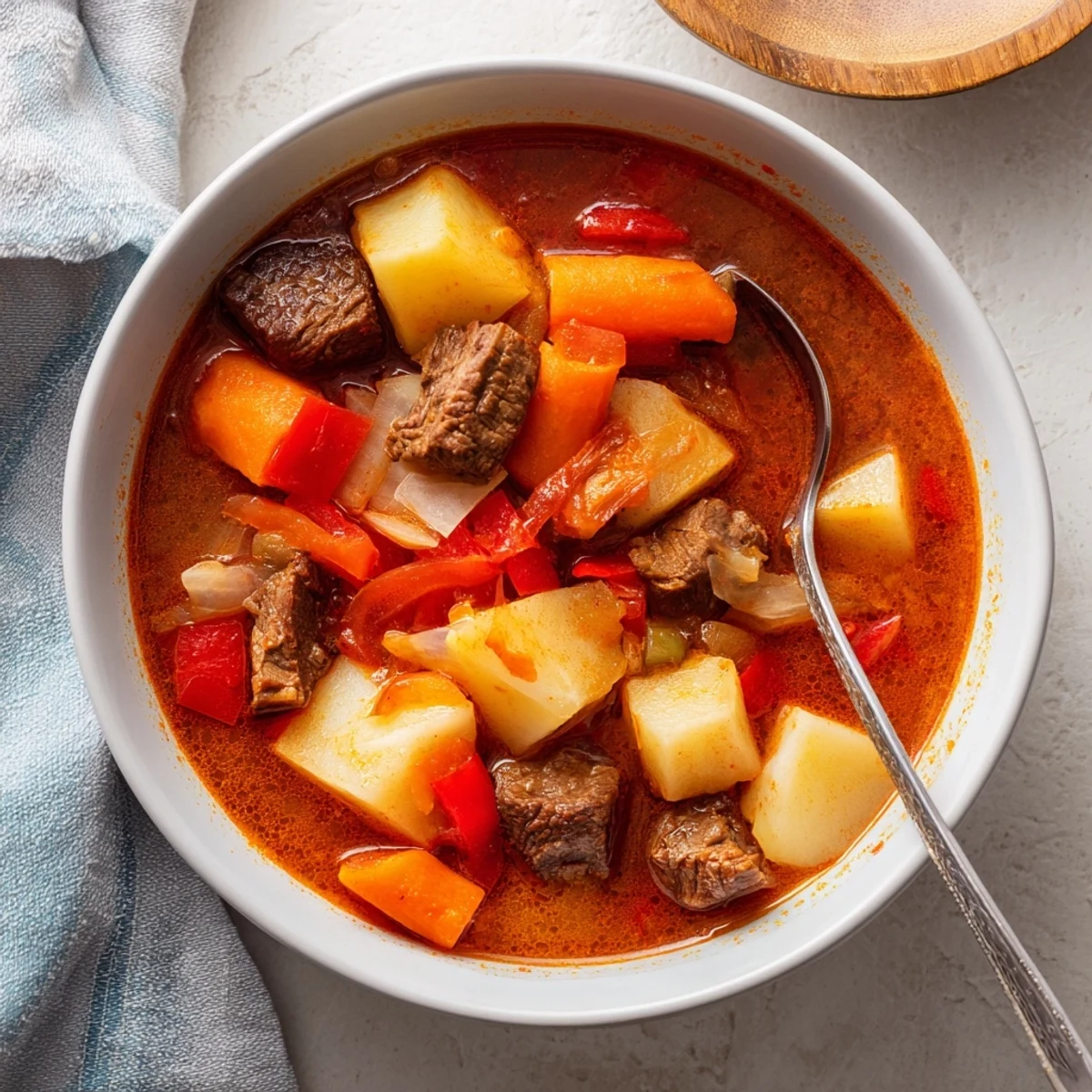
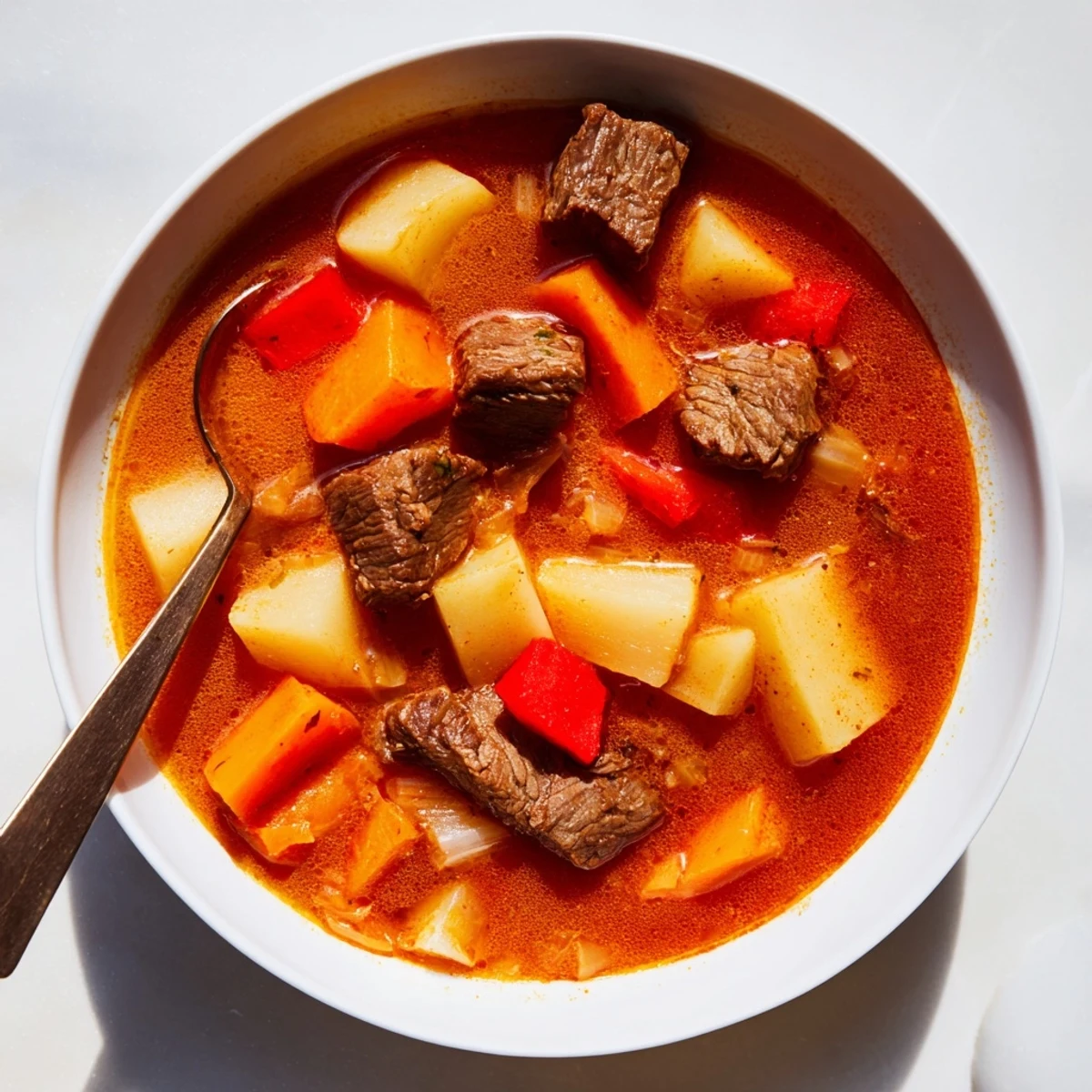
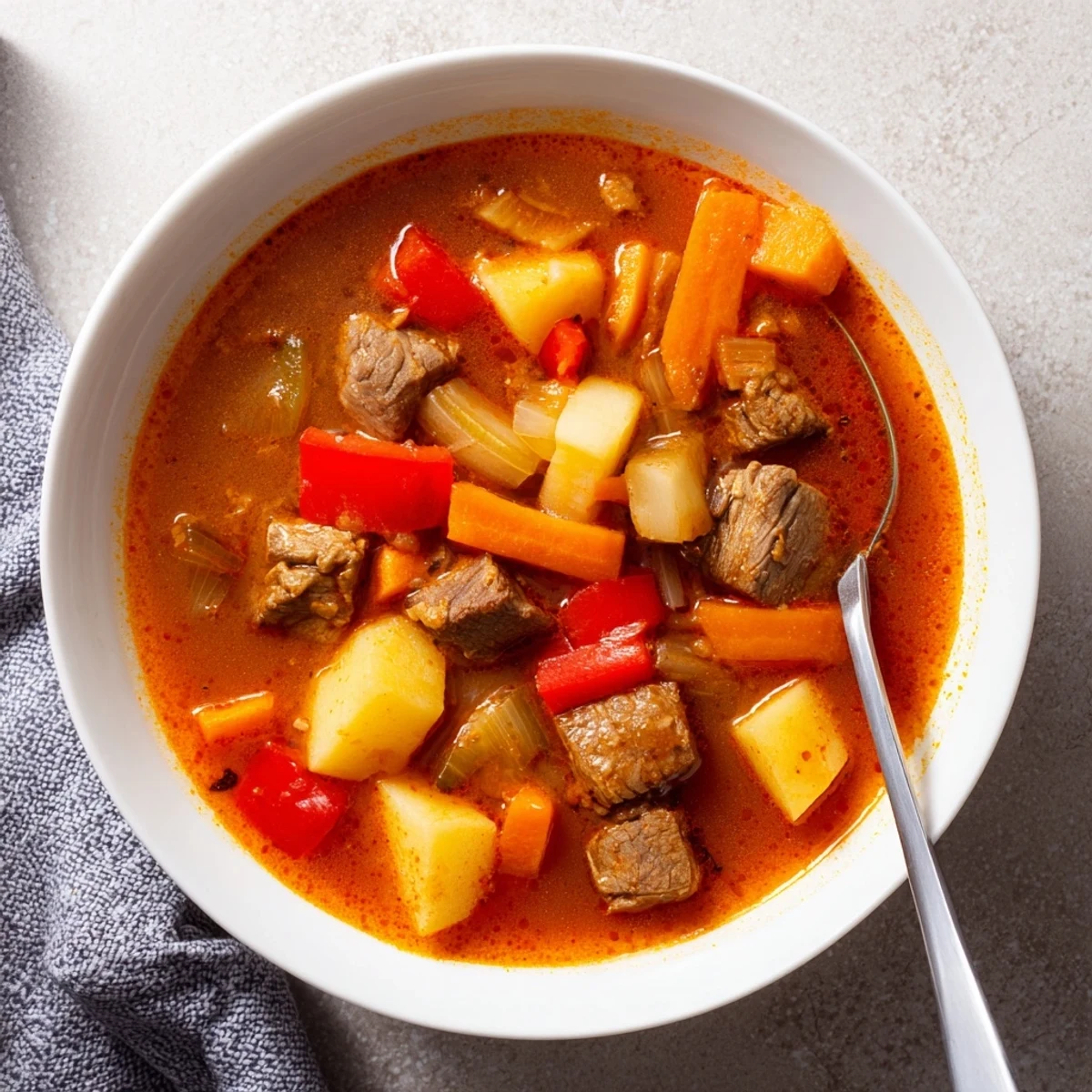
 This traditional Hungarian Gulyás combines succulent beef chuck cubes with aromatic sweet paprika, creating a deeply flavorful and comforting stew. The slow simmering process allows the beef to become meltingly tender while absorbing the rich spiced broth. Root vegetables like carrots, parsnips, and potatoes add heartiness, making this a complete meal in one bowl. Perfect for serving with rustic bread or traditional Hungarian pinched noodles.
The first time I smelled authentic Hungarian paprika blooming in hot fat, my entire understanding of what stew could be shifted completely. A friend from Budapest had invited me over, and her small kitchen filled with this earthy, sweet, slightly spicy aroma that made my mouth water before I even saw the pot. She laughed watching me hover over the stove, inhaling deeply like I was trying to memorize the scent itself. That afternoon changed everything about how I approach slow-cooked dishes.
Last winter, during that stretch where February felt like it would never end, I made a massive batch for my book club. Everyone arrived red-nosed and shivering, but within twenty minutes of sitting down with steaming bowls, the conversation had shifted entirely from the weather to seconds and thirds. Two friends actually argued good-naturedly over who got to take home the remaining portion.
Ingredients
- Beef chuck: The marbling here melts into the broth, creating body and richness that lean cuts simply cannot deliver
- Onions: They disappear into the stew but form the essential foundation, so take the time to caramelize them properly
- Sweet Hungarian paprika: This is the soul of the dish and worth seeking out the real stuff from a specialty market
- Caraway seeds: Their distinctive anise-like note cuts through the richness and makes the flavor profile unmistakably Hungarian
- Carrots, parsnips, and potatoes: These hearty vegetables absorb the spiced broth while holding their shape beautifully
- Beef broth: Use a good quality one because it becomes the primary liquid that carries all the flavors
Instructions
- Build your flavor base:
- Heat the oil in your heavy pot over medium heat and cook the onions until they turn golden and sweet, which takes about eight minutes of occasional stirring
- Wake up the spices:
- Stir in the garlic and caraway seeds, letting them cook for just one minute until their fragrance fills the air
- Develop richness on the beef:
- Add the beef cubes and let them brown on all sides, creating those flavorful fond bits on the bottom of the pot
- The crucial paprika moment:
- Remove the pot from heat completely, sprinkle in the paprika, and stir thoroughly to coat everything before returning to heat
- Add depth and bring it together:
- Mix in the tomatoes, bell pepper, and tomato paste if using, then pour in the broth with the bay leaf and seasonings
- The first long simmer:
- Bring to a boil, then reduce heat to low, cover, and let it simmer gently for an hour
- Add the hearty vegetables:
- Stir in the carrots, parsnips, and potatoes, then continue simmering uncovered for another 45 to 60 minutes
- Final adjustments and service:
- Taste and adjust the seasonings, discard the bay leaf, and serve hot with bread or traditional pinched noodles
 Save to Pinterest
 My grandmother once told me that stew is just a fancy word for patience, and I finally understood what she meant the day I made this for a sick friend. She sent me a text later that night saying it was the first thing that had actually tasted good in days.
Making It Your Own
While traditionalists might raise an eyebrow at variations, I have found that adding a handful of sauerkraut in the last twenty minutes creates a bright tang that balances the rich paprika beautifully. Some cooks swear by a splash of red wine vinegar right before serving for the same effect.
The Bread Question
Do not overthink this part. A crusty sourdough, a simple baguette, or even store-bought dinner rolls will all do the job of soaking up that incredible broth. The real secret is serving the bread still warm from the oven.
Timing Your Stew
The absolute best approach is making it the day before you plan to serve it. Everything settles and the beef seems to relax into an even more tender state.
- Reheat gently over low heat, adding a splash of broth if needed
- The flavors will have married overnight in a way that cannot be rushed
- It actually freezes beautifully if you want to portion some for later
 Save to Pinterest
 There is something deeply satisfying about a dish that requires mostly time rather than technique, delivering comfort that feels like it came from somewhere far more experienced than your own kitchen.
Your Recipe Questions
- → What cut of beef works best for Gulyás?
-
Beef chuck is ideal for Gulyás because its marbling and connective tissue break down during slow cooking, resulting in tender, succulent meat. Shoulder or round cuts also work well.
- → Can I make Gulyás in a slow cooker?
-
Absolutely. Brown the beef and sauté aromatics on the stovetop first, then transfer everything to your slow cooker. Cook on low for 7-8 hours or high for 4-5 hours until the beef is fork-tender.
- → What's the difference between Gulyás and other Hungarian stews?
-
Gulyás is traditionally soupier than other Hungarian stews like Pörkölt. It contains more liquid and typically includes vegetables like potatoes and carrots cooked directly in the broth, making it a complete one-pot meal.
- → Is Hungarian paprika different from regular paprika?
-
Hungarian paprika, particularly the sweet variety called édesnemes, has a richer, more complex flavor profile than standard paprika. It ranges from mild and sweet to hot, with vibrant color and deep aromatic qualities essential for authentic Gulyás.
- → How long does Gulyás keep in the refrigerator?
-
Gulyás actually improves after a day or two in the refrigerator as flavors meld together. Store in an airtight container for up to 4-5 days. Reheat gently over low heat, adding a splash of broth if needed.
- → What can I serve with Gulyás?
-
Rustic bread, crusty rolls, or traditional csipetke (Hungarian pinched noodles) are classic accompaniments. Sour cream and fresh herbs like parsley or caraway seeds make excellent toppings for added richness and freshness.