
 Save to Pinterest
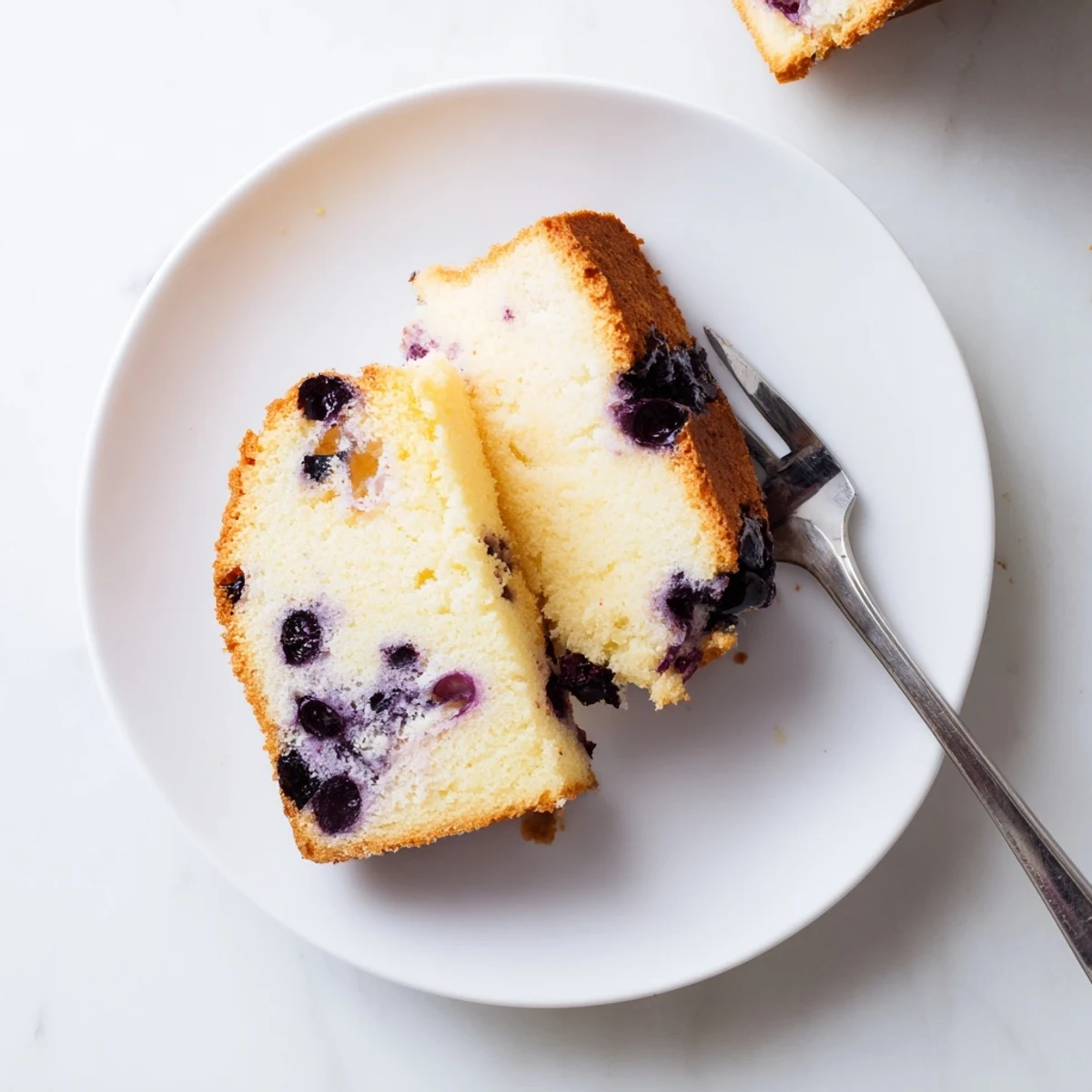
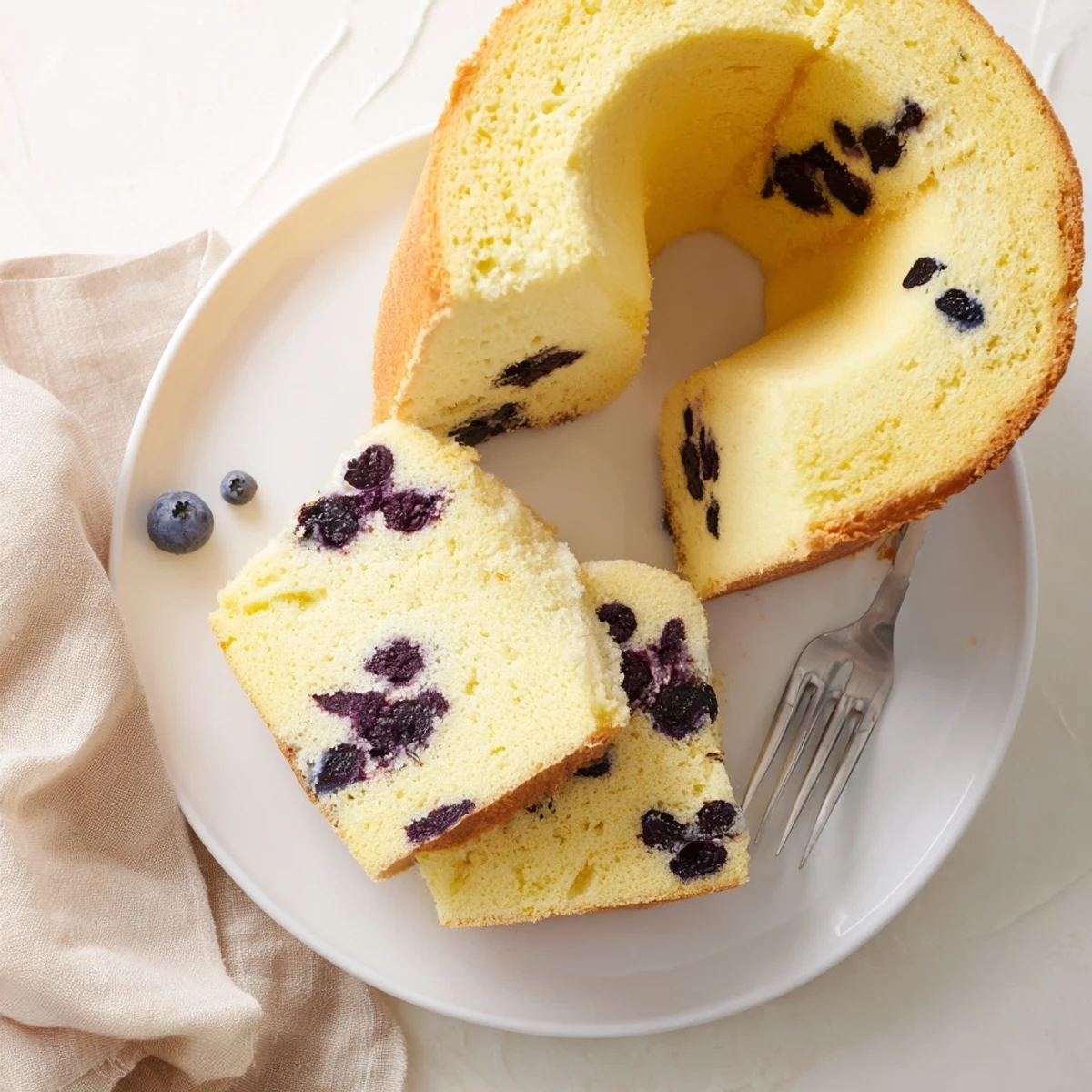
 This delicate chiffon cake combines the lightness of traditional sponge with the sweetness of fresh blueberries. The method involves separating eggs, whipping whites to stiff peaks, and gently folding them into a flavorful yolk batter. The result is a towering, tender cake that rises beautifully and cools upside down for perfect texture.
What makes this chiffon special is the addition of fresh blueberries tossed in flour to prevent sinking, plus lemon zest for brightness. The cake requires no greasing of the pan, which allows it to climb the sides and achieve its signature height.
The summer my cousin got married, she asked me to contribute something memorable to the reception dessert table. I had never attempted a chiffon cake before, but there was something about the challenge that pulled me in—the way it defies gravity, the way it demands patience and respect. I spent three consecutive weekends perfecting the technique, watching my kitchen transform into a flour-dusted laboratory of失败s and breakthroughs.
When I finally served this at the wedding, guests kept asking who made the 'purple cloud cake.' The bride herself cut through three slices before the toasting even began. Theres something genuinely magical about watching people take that first bite, their eyes widening at how something so ethereal can hold so much flavor.
Ingredients
- Cake flour: Lower protein content means less gluten development, which is crucial for that melt-in-your-mouth texture
- Granulated sugar: Dividing it between the batter and meringue creates structure while keeping things sweet
- Baking powder: Provides extra lift alongside the whipped egg whites
- Salt: Balances sweetness and enhances all other flavors
- Eggs, separated: The yolks enrich the batter while whites become the lifting force
- Vegetable oil: Keeps the cake moist longer than butter would
- Cold water: Temperature matters here—it helps create the right batter consistency
- Vanilla extract: Rounds out the bright flavors with warmth
- Lemon zest: Finely grated releases oils that infuse every bite
- Fresh blueberries: Tossed in flour to prevent them from sinking to the bottom
- All-purpose flour: Just enough to coat berries and anchor them in the batter
- Cream of tartar: Stabilizes the egg whites so they hold their shape through folding and baking
Instructions
- Preheat your oven and prepare the pan:
- Set oven to 325°F (165°C). Leave your 10-inch chiffon or tube pan completely ungreased—this seems counterintuitive, but the batter needs to climb the walls as it rises.
- Combine the dry ingredients:
- Sift together cake flour, 1 cup (200 g) sugar, baking powder, and salt in a large bowl. Sifting aerates the flour and prevents any lumps that might create dense spots in your finished cake.
- Whisk the wet mixture:
- In another bowl, combine egg yolks, vegetable oil, water, vanilla extract, and lemon zest until completely smooth. The mixture should look glossy and uniform.
- Combine wet and dry:
- Pour the yolk mixture into the dry ingredients and whisk gently until just combined. Some small lumps are fine—overmixing here will make the cake tough.
- Prepare the meringue:
- In a spotlessly clean bowl, beat egg whites and cream of tartar on medium speed until soft peaks form. Gradually add remaining 1/4 cup (50 g) sugar, continuing to beat until stiff, glossy peaks form. The whites should hold their shape when you lift the beaters.
- Fold everything together:
- Gently fold the egg whites into the batter in three additions. Use a rubber spatula and cut through the middle, then fold over the top—this minimizes deflating the mixture while ensuring even distribution.
- Add the blueberries:
- Toss berries with 1 teaspoon flour, then fold them gently into the batter. The flour coating helps them suspend throughout the cake instead of sinking to the bottom during baking.
- Bake to perfection:
- Pour batter into the ungreased pan, smooth the top, and bake for 45–50 minutes. A skewer inserted into the center should come out clean, and the top should spring back when lightly touched.
- Cool upside down:
- Immediately invert the pan onto a bottle or funnel to cool completely for about 1 hour. This step is non-negotiable—cooling right side up will cause the cake to collapse under its own weight.
- Release and serve:
- Once completely cooled, run a knife around the edges and center tube to release the cake. Transfer to your serving plate with confidence—it should feel lighter than it looks.
 Save to Pinterest
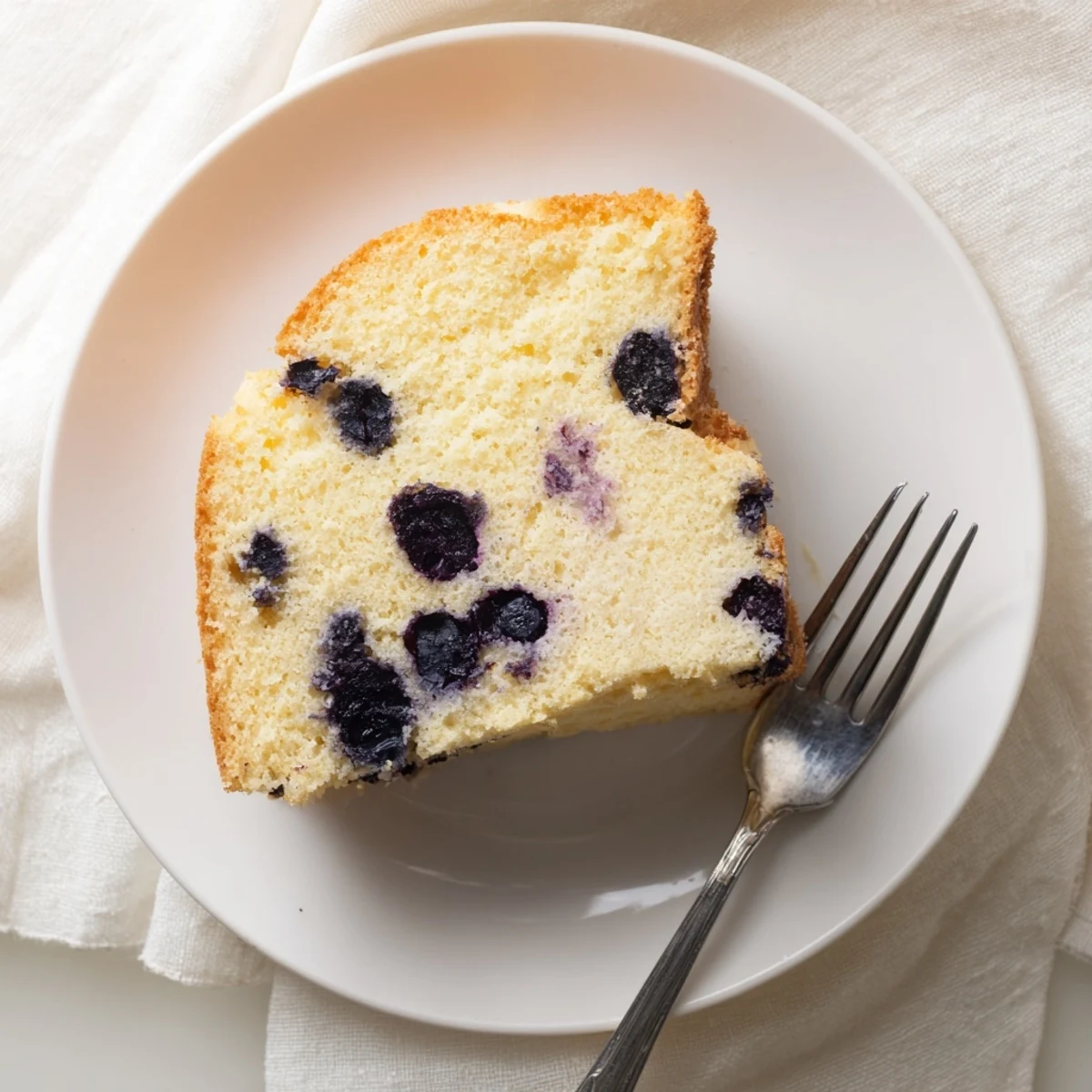
 My grandmother watched me make this once, and when I inverted the pan onto a wine bottle, she laughed out loud. She said it looked like I was performing some kind of kitchen science experiment. When we sliced it later that afternoon, she took one bite and went silent for a full minute before declaring it better than any bakery cake shed ever tasted.
Mastering the Meringue
The egg white stage is where most chiffon cakes fail, and I learned this through tears and fallen cakes. Stiff peaks should stand straight up without curling at all when you lift the beaters. If they curl even slightly, keep going. The difference between a perfect chiffon and a disappointing one often comes down to those extra thirty seconds of beating.
Folding Technique Matters
Theres a rhythm to folding that took me forever to understand. You want to incorporate the meringue without knocking out the air you spent so much time creating. Think of it as gently combining two precious things—slow, deliberate motions, using the side of the bowl to help turn the mixture over itself. Rush this step and youll end up with a dense sponge instead of a cloud.
Timing Your Serve
This cake is actually better the second day, if you can manage to keep any around that long. The flavors meld together and the texture becomes even more ethereal. Ive started making it the evening before parties, letting it rest under a cake dome overnight. The blueberry flavor seems to bloom beautifully given those extra hours.
- Dust with powdered sugar right before serving for a photo-ready finish
- A dollop of lightly sweetened whipped cream on the side never hurt anyone
- This travels surprisingly well if you can find a cake carrier tall enough
 Save to Pinterest
 Every time I make this now, I think about that wedding reception and how something as simple as blueberries and eggs can create moments of pure joy. Sometimes the best recipes are the ones that bring people together around a dessert table, forks hovering, waiting for that first bite.
Your Recipe Questions
- → Why must the chiffon pan remain ungreased?
-
The batter needs to cling to the pan sides as it rises. Greasing would prevent this cling, resulting in a dense, flat cake instead of the tall, fluffy texture chiffon is known for.
- → Can frozen blueberries be used instead of fresh?
-
Absolutely. Use frozen berries directly without thawing. Thawing releases excess moisture that can make the cake soggy. Toss them in flour just like fresh ones to prevent sinking.
- → Why is cream of tartar added to egg whites?
-
Cream of tartar stabilizes the egg whites, helping them reach and hold stiff peaks. This creates the air pockets that give chiffon its signature airy texture and structure.
- → What causes a chiffon cake to collapse?
-
Common causes include under-whipping egg whites, over-folding the batter (which deflates air), removing from the pan while warm, or greasing the pan. Always cool completely upside down before removing.
- → How should leftover chiffon cake be stored?
-
Store at room temperature covered loosely with plastic wrap for up to 2 days. For longer storage, refrigerate in an airtight container for up to 5 days, though the texture may become slightly denser.