
 Save to Pinterest
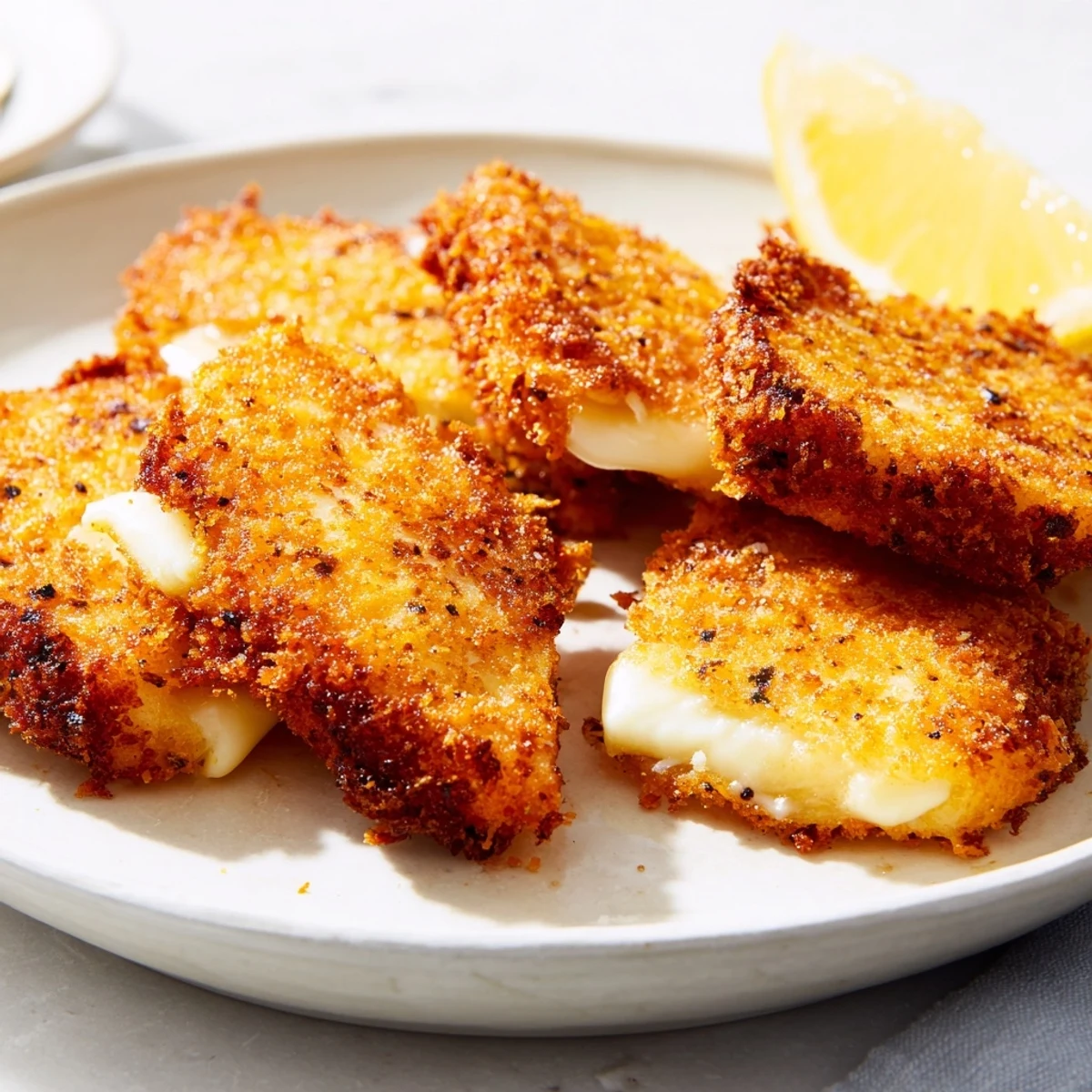
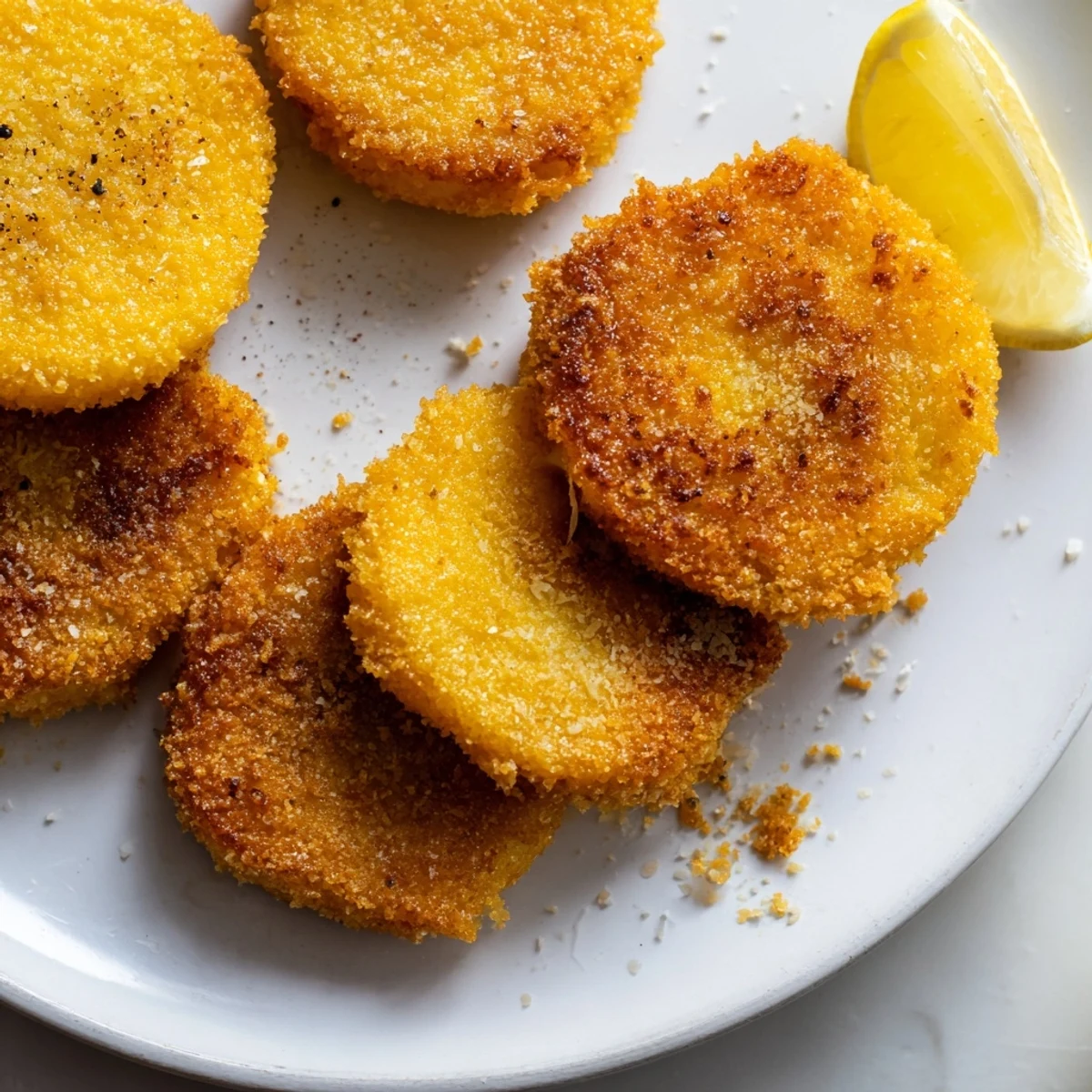
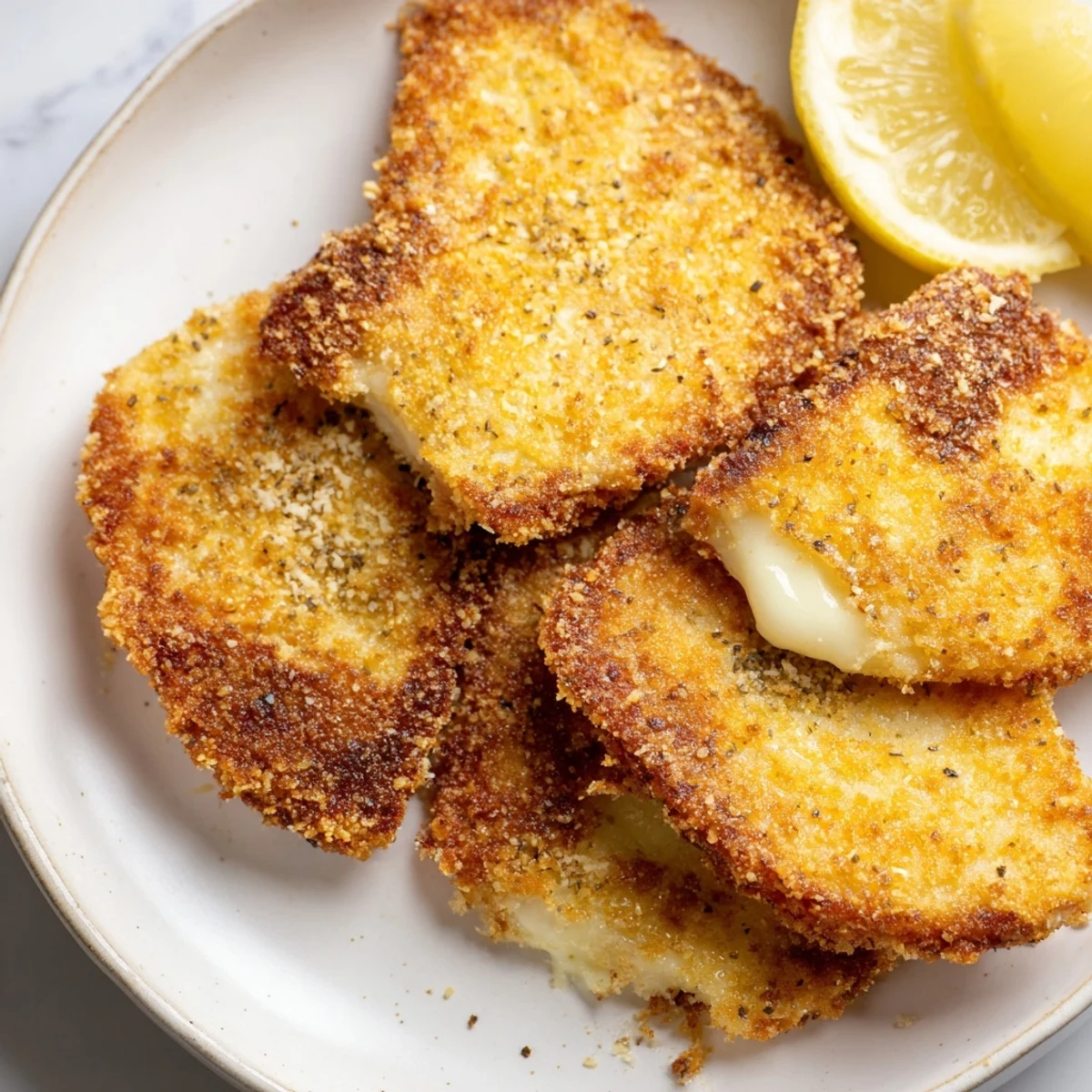
 This beloved Mediterranean appetizer features firm Greek cheese lightly coated in seasoned flour and pan-fried until golden and crispy. The exterior creates a satisfying crunch while the interior becomes wonderfully melty. Ready in just 20 minutes, this dish is traditionally served with fresh lemon wedges—the bright acidity perfectly balances the rich, salty cheese.
Traditional Kefalotyri or Graviera cheeses work best, though Halloumi or firm feta make excellent alternatives. The preparation is simple: slice, dredge, and fry. The key is patting the cheese dry before coating and maintaining medium-high heat for that perfect golden crust without burning.
The first time I encountered saganaki was at a tiny taverna in Athens, where the waiter dramatically flamed the cheese at our table and everyone cheered. I've been recreating that golden, crunch-squeak experience at home ever since, minus the tableside theatrics but with all the joy.
Last summer I made these for friends who swore they hated fried cheese, and within minutes they were hovering around the pan, waiting for each batch to emerge golden and bubbling. Sometimes the simplest foods create the most memorable moments.
Ingredients
- Firm Greek cheese: Kefalotyri is traditional but Graviera works beautifully, and Halloumi makes a fantastic backup that's easier to find
- Gluten-free flour: Creates that essential crispy shell while keeping it accessible, though regular flour works perfectly fine if you dont need to avoid gluten
- Freshly ground black pepper: A little warmth in the coating balances the rich salty cheese beautifully
- Extra virgin olive oil: Dont skimp here, you need enough oil to achieve proper frying and that authentic Mediterranean flavor
- Lemon wedges: Absolutely non-negotiable, the bright acid cuts through all that richness and wakes up the whole dish
Instructions
- Prep your cheese:
- Cut the cheese into even slices about half an inch thick and pat them completely dry with paper towels, because any surface moisture will prevent that gorgeous crust from forming
- Create the coating:
- Spread your flour on a plate, grind some fresh pepper over it, then dredge each cheese slice thoroughly, shaking off the excess so you dont end up with a doughy coating
- Heat the oil:
- Warm your olive oil in a non-stick skillet over medium-high heat until it shimmers, testing readiness with a tiny pinch of flour that should sizzle immediately
- Fry to perfection:
- Carefully lay the cheese slices in the hot oil and let them develop a deep golden crust for 1 to 2 minutes per side, resisting the urge to peek or flip too early
- Drain and serve:
- Transfer the finished cheese to paper towels to drain any excess oil, then serve immediately while the interior is still molten and irresistible
 Save to Pinterest
 These became my go-to impromptu appetizer the day I served them with ouzo during a rainstorm and ended up talking for hours around the platter. Food has a way of turning ordinary afternoons into something special.
Choosing Your Cheese
I've experimented with so many cheeses for this recipe, and while Kefalotyri delivers the most authentic experience, dont hesitate to use what you can find. Graviera brings a slightly sweeter nuttiness, Halloumi has that distinctive squeaky texture, and even a firm feta will work in a pinch though it melts faster than the others. The key is choosing something firm enough to hold its shape during frying.
Oil Temperature Secrets
Getting the oil right makes all the difference between soggy cheese and that perfect crunch. Too cool and the coating turns greasy, too hot and it burns before the cheese warms through. I've learned to watch for tiny shimmering ripples in the oil and test with a flour pinch that should bubble energetically but not violently.
Serving Suggestions That Work
While lemon is essential, I love playing with different variations depending on my mood and what I have on hand.
- Drizzle with honey and sprinkle dried oregano for a sweet-savory twist
- Pair with a chilled Assyrtiko wine or small glasses of ouzo
- Serve alongside olives and crusty bread for a complete meze spread
 Save to Pinterest
 Theres something deeply satisfying about transforming a simple block of cheese into something so extraordinary. Enjoy every crispy, melty bite.
Your Recipe Questions
- → What cheese works best for frying?
-
Kefalotyri and Graviera are traditional Greek choices that hold their shape beautifully while developing a melty interior. Halloumi is an excellent alternative with its signature squeaky texture, while firm feta can work but will be crumblier.
- → Why is the cheese coated in flour?
-
The light flour coating creates a protective barrier that helps the cheese hold its shape during frying while developing a crispy, golden exterior. It also prevents the cheese from sticking to the pan and melting into a puddle.
- → Can I bake instead of fry?
-
While baking is possible at 200°C (400°F) for 10-12 minutes, pan-frying yields the superior crispy exterior and authentic results. The high heat from frying creates that signature crunch that baking cannot quite replicate.
- → What should I serve with this?
-
Fresh lemon wedges are essential—their bright acidity cuts through the rich, salty cheese. This pairs beautifully with crusty bread, olives, and a chilled white wine or ouzo for an authentic Greek meze experience.
- → How do I prevent the cheese from sticking?
-
Use a good quality non-stick skillet and ensure the oil is properly heated before adding the cheese. Pat the cheese completely dry before dredging, and shake off excess flour to prevent a gummy coating that can stick.
- → Can I prepare this ahead?
-
For best results, fry immediately before serving as the crispy texture diminishes quickly. You can slice and coat the cheese up to an hour ahead, storing it covered in the refrigerator until ready to fry.