
 Save to Pinterest
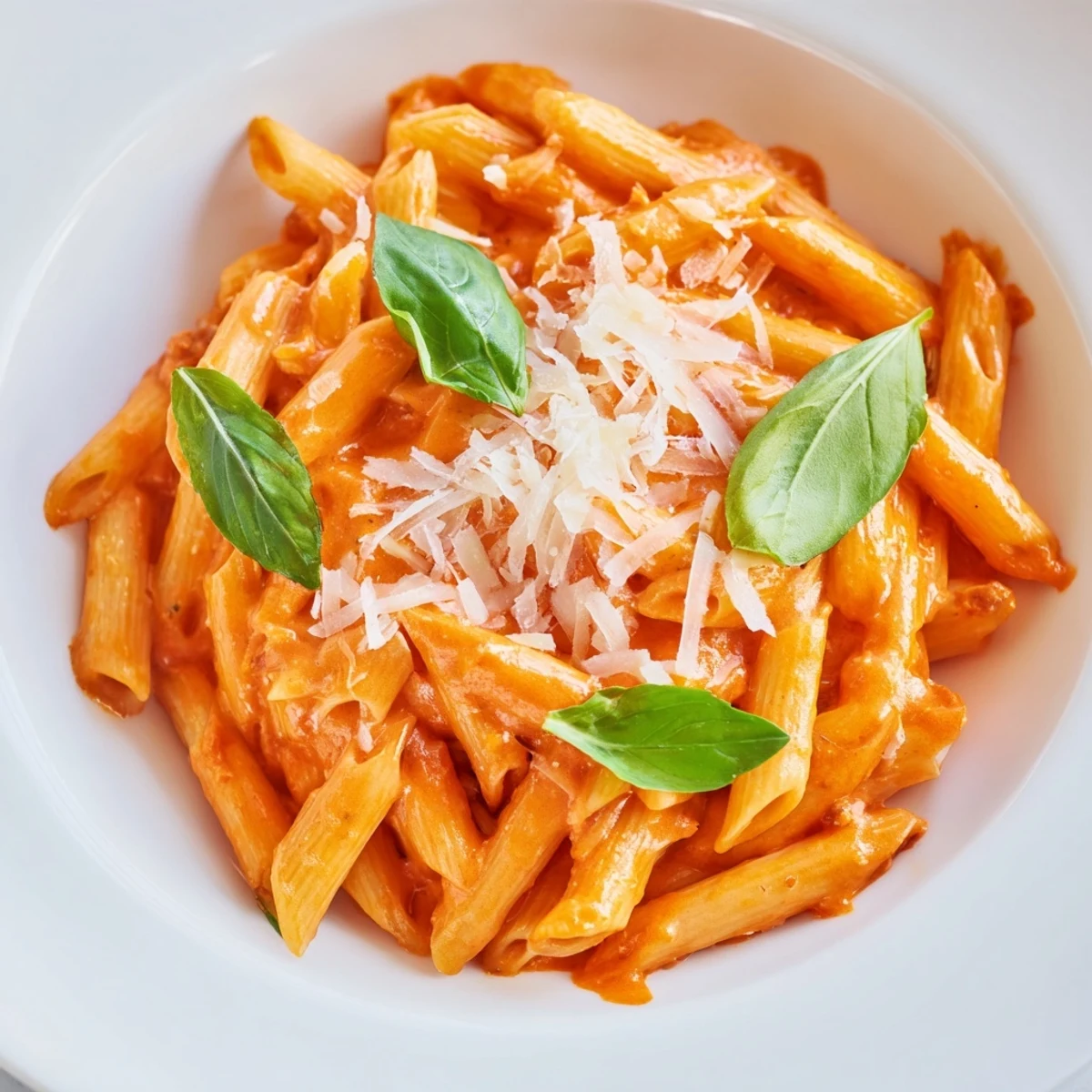
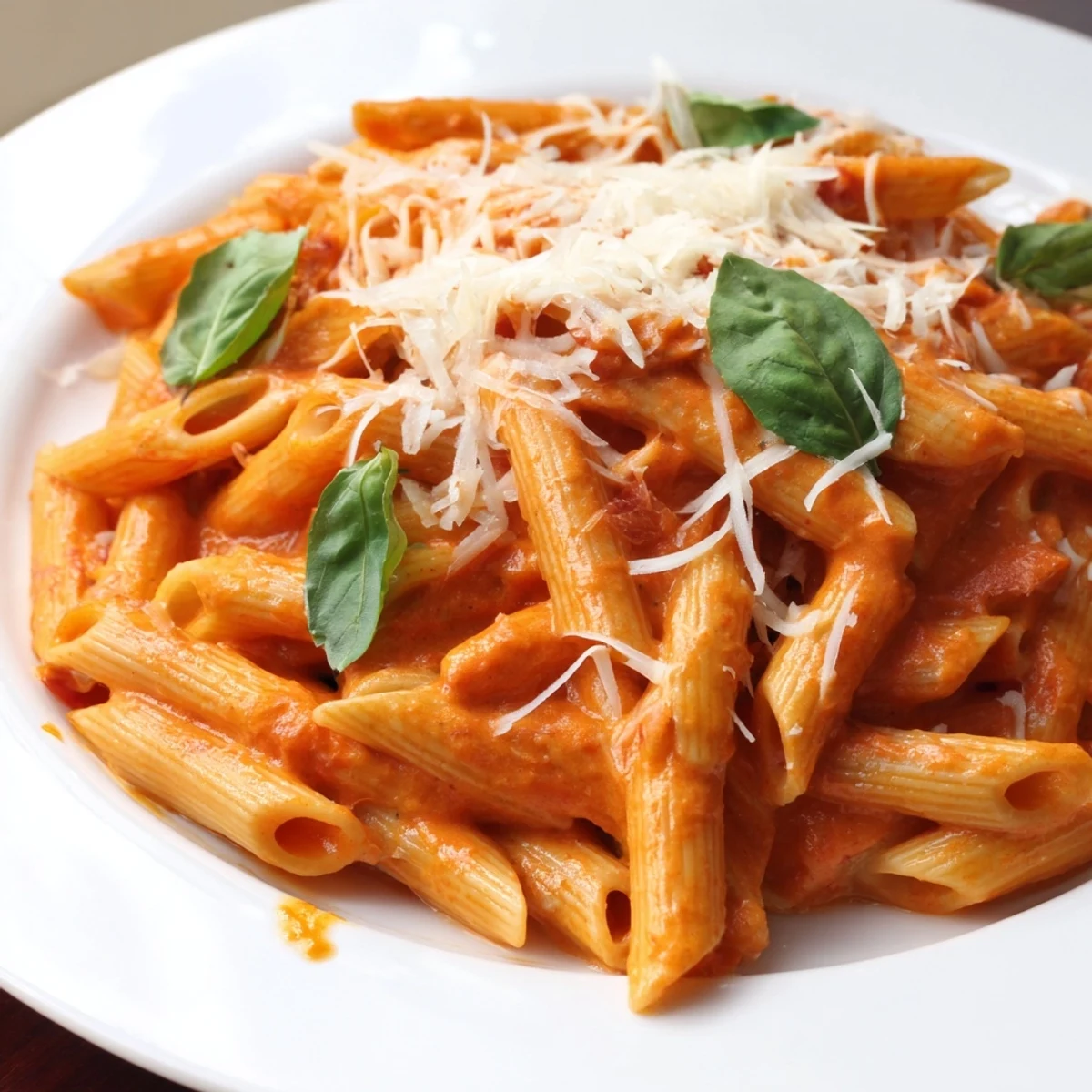
 This dish combines tender pasta with a smooth, creamy tomato sauce enhanced by fresh basil and melted Parmesan cheese. The sauce is made by sautéing onion and garlic, simmering crushed tomatoes with seasoning, then stirring in heavy cream and Parmesan for richness. Tossed together with pasta and garnished with extra basil and Parmesan, it offers a quick yet elegant meal perfect for any occasion. Simple to prepare and delightfully satisfying.
There's a particular kind of magic that happens when you're standing at the stove on a Wednesday evening, the kitchen filling with the smell of garlic hitting hot oil, and you realize you're about to make something genuinely delicious in under half an hour. This creamy tomato basil pasta was born from exactly that moment—not from a cookbook or a carefully planned menu, but from the simple fact that I had pasta, canned tomatoes, and heavy cream, and somehow knew they belonged together.
I made this for my partner on the night we decided to stop ordering takeout on weeknights, and they were genuinely surprised when I told them it wasn't from a restaurant. There's something about the way the cream swirls into the red sauce, creating those little marble patterns, that made it feel restaurant-worthy even though we were eating it straight from a chipped bowl in our tiny kitchen.
Ingredients
- Penne or fettuccine, 350 g: The tube shapes catch the sauce beautifully, but honestly any pasta you love works here—I've used linguine and it was equally wonderful.
- Olive oil, 2 tbsp: This is your foundation for the soffritto, so use something you actually like the taste of, not the cheapest bottle.
- Yellow onion, 1 small, finely chopped: The sweetness tempers the tomato's acidity in a way that feels almost sneaky—you don't taste onion, just rounded flavor.
- Garlic, 3 cloves, minced: Three is the sweet spot; more and it gets aggressive, less and you lose that fragrant backbone.
- Canned crushed tomatoes, 800 g: San Marzano if you can find them, but honestly any crushed tomatoes work—it's what you do with them that matters.
- Sugar, 1 tsp: A tiny pinch that awakens the tomato's natural sweetness and balances any bitterness from the can.
- Salt and black pepper, 1 tsp and ½ tsp: Taste as you go; these are starting points, not rules.
- Heavy cream, 120 ml: The transformation ingredient—it turns a tomato sauce into something that feels indulgent and complete.
- Parmesan, 30 g, freshly grated: This is non-negotiable—block cheese grated while warm melts into the sauce like silk, while pre-grated tastes like cardboard by comparison.
- Fresh basil, 15 g, torn: Added at the very end so it stays bright green and tastes like summer, even if it's the dead of winter outside.
Instructions
- Get your pasta water ready:
- Fill a large pot with salted water—it should taste like the sea—and bring it to a rolling boil. This is your secret weapon for adjusting the sauce consistency at the end, so don't skip reserving that cup of starchy water before you drain.
- Cook the pasta:
- Drop the pasta in and cook until it's just barely tender enough to bite through but still has a hint of resistance in the center. Start checking a minute before the package says, because that's when the magic window opens.
- Build your sauce foundation:
- While the pasta cooks, warm olive oil in a large skillet over medium heat until it shimmers slightly. Add your chopped onion and let it soften slowly for about five minutes, stirring every minute or so—you're coaxing out sweetness, not rushing it.
- Wake up the garlic:
- Once the onion turns translucent and soft, scatter in the minced garlic and stir constantly for about thirty seconds until it smells impossibly good. This is the moment your kitchen transforms into an Italian grandmother's kitchen, at least in spirit.
- Add the tomatoes and let them simmer:
- Pour in the crushed tomatoes along with the sugar, salt, and pepper, and bring everything to a gentle simmer. Let it bubble away for eight to ten minutes, stirring occasionally, while the sauce deepens and thickens slightly—you'll feel the difference as it goes from watery to luxurious.
- The cream moment:
- Lower the heat and pour in the heavy cream, stirring gently until it's completely incorporated and the sauce turns from bright red to a warm coral color. Let it simmer for just two minutes so the flavors marry without breaking.
- Add the Parmesan:
- Scatter in the freshly grated Parmesan and stir until it's completely melted and the sauce is impossibly smooth and glossy. This is where it stops being a tomato sauce and becomes something special.
- Bring it all together:
- Add the drained pasta to the sauce and toss gently until every strand is coated. If it looks too thick, add that reserved pasta water a splash at a time until it's silky and flows slightly—not soupy, but not clinging either.
- Finish with basil:
- Remove from heat and tear or chop the fresh basil, stirring it through so little green flecks appear throughout. Taste one more time and adjust salt if needed, then serve immediately before everything cools down.
 Save to Pinterest
 There was an evening when my mom tried this recipe at my house and got genuinely quiet while eating it, which for her means something hit exactly right. We sat there in comfortable silence, and that's when I knew this wasn't just a weeknight dinner anymore—it was the kind of dish that becomes part of someone's rotation because it tastes like care.
The Secret to Silky Sauce
The difference between a sauce that's merely good and one that tastes restaurant-quality comes down to technique, not ingredients. The gentle simmering step before you add cream matters—it's when the tomato releases its acidity and starts to thicken, creating a concentrated base that the cream will rest on top of. I learned this the hard way by adding cream too early and ending up with a broken, separated mess that tasted fine but looked sad. Now I watch for that moment when the sauce starts to reduce slightly, when you can drag a spoon through it and see the pan for a second before it flows back together—that's your signal that you're ready.
Why Fresh Basil Matters at the End
Cooking with basil is a lesson in restraint and timing. If you add it to the simmering sauce, it softens and turns dark, losing all the brightness you bought it for. But stirred in after you've turned off the heat, it stays vibrant and peppery, and releases little pockets of aroma with every bite. It's the difference between tasting basil as a supporting note and actually tasting the basil itself.
Serving and Variations
This pasta stands alone as a main course, but it loves company in the form of a simple green salad with lemon vinaigrette or crusty bread for soaking up every last drop of sauce. Some nights I've stirred in a handful of sautéed spinach or mushrooms right before the basil, and it stretches the dish further while adding earthiness that plays beautifully against the cream.
- If you want extra richness, add a knob of cold butter at the very end and it will make the sauce even glossier and more luxurious.
- For a lighter version, swap heavy cream for half-and-half or even a quality plant-based alternative, though you'll notice the difference in how silky it feels on your tongue.
- This pairs beautifully with a crisp Pinot Grigio or even sparkling water with fresh lemon, anything that cuts through the richness without overshadowing the delicate tomato flavor.
 Save to Pinterest
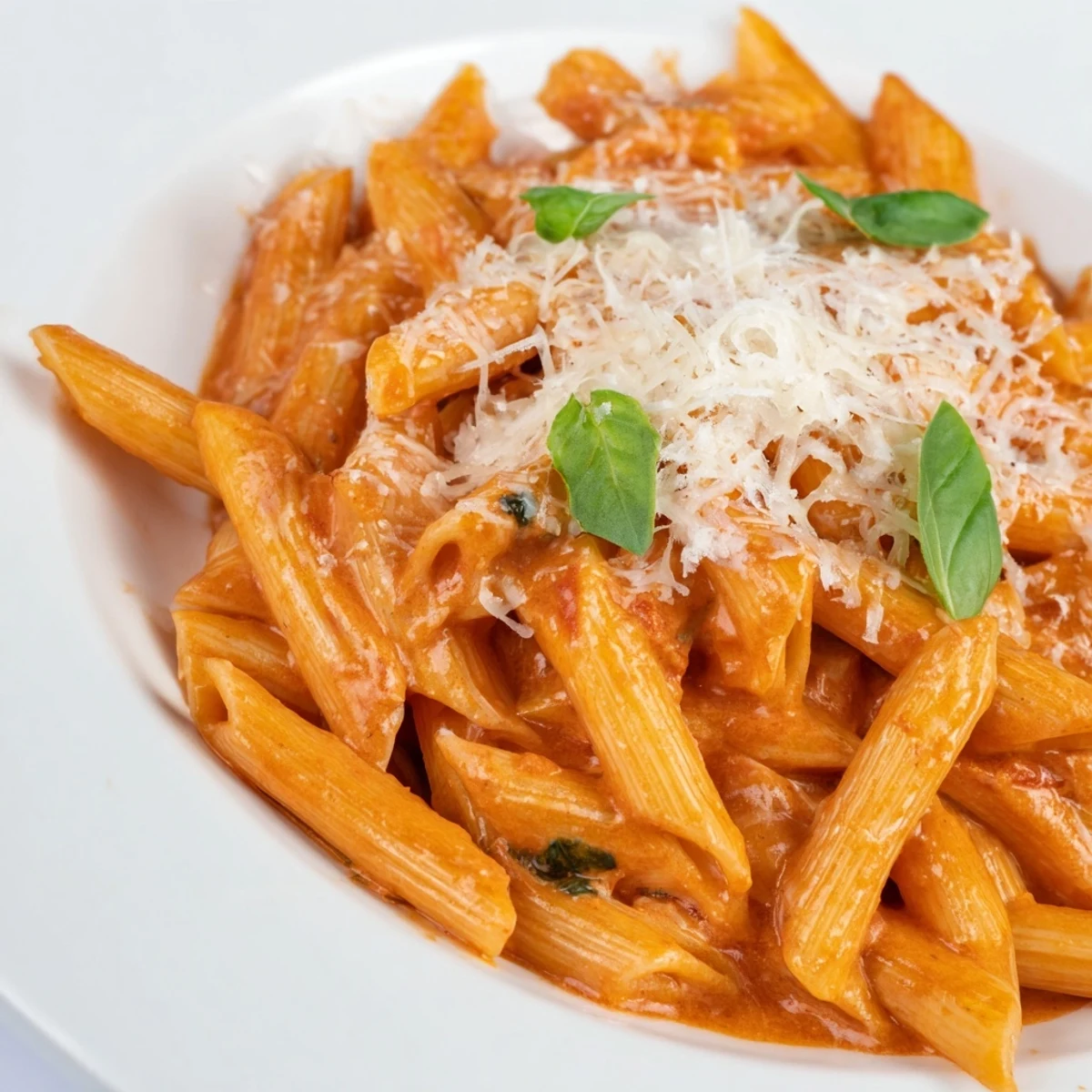
 This is the kind of recipe that settles into your regular rotation because it tastes like restaurant food but takes the time of a weeknight, and that combination is worth its weight in butter and Parmesan. Make it for someone you care about, or make it for yourself on a night when you deserve something special.
Your Recipe Questions
- → What pasta types work best for this dish?
-
Penne or fettuccine are ideal as they hold the creamy tomato sauce well, but any pasta cooked al dente can be used.
- → Can I substitute the heavy cream?
-
Yes, half-and-half or plant-based cream alternatives can be used for a lighter version without sacrificing creaminess.
- → How to make the sauce thicker?
-
Simmer the sauce a bit longer to reduce excess liquid or add a knob of butter along with the cream to enhance richness and thickness.
- → Is it possible to add vegetables?
-
Sautéed mushrooms or spinach can be incorporated into the sauce for added texture and flavor variety.
- → How to adjust for dietary restrictions?
-
Use gluten-free pasta for gluten intolerance and plant-based cream with vegan Parmesan for dairy-free needs.