
 Save to Pinterest
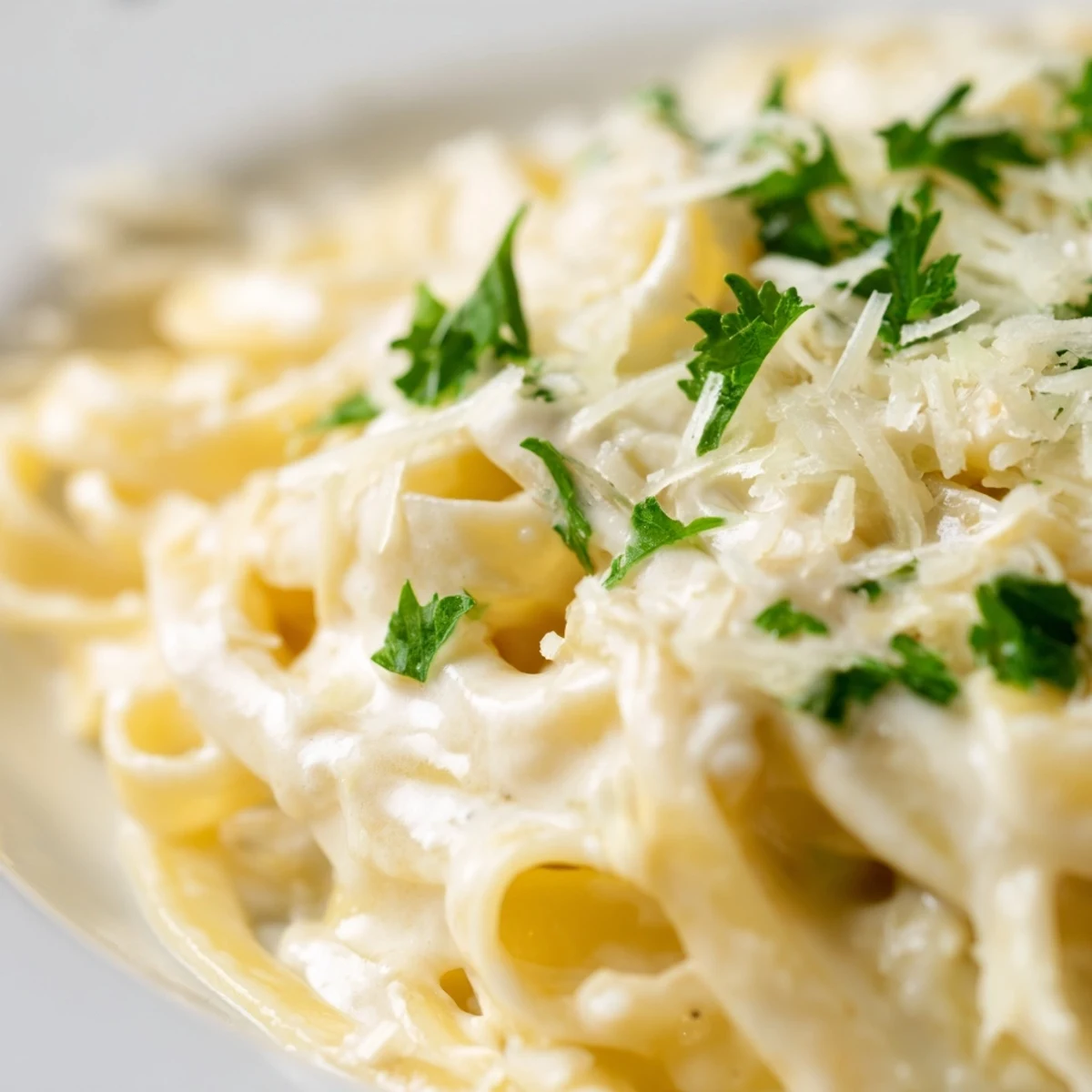
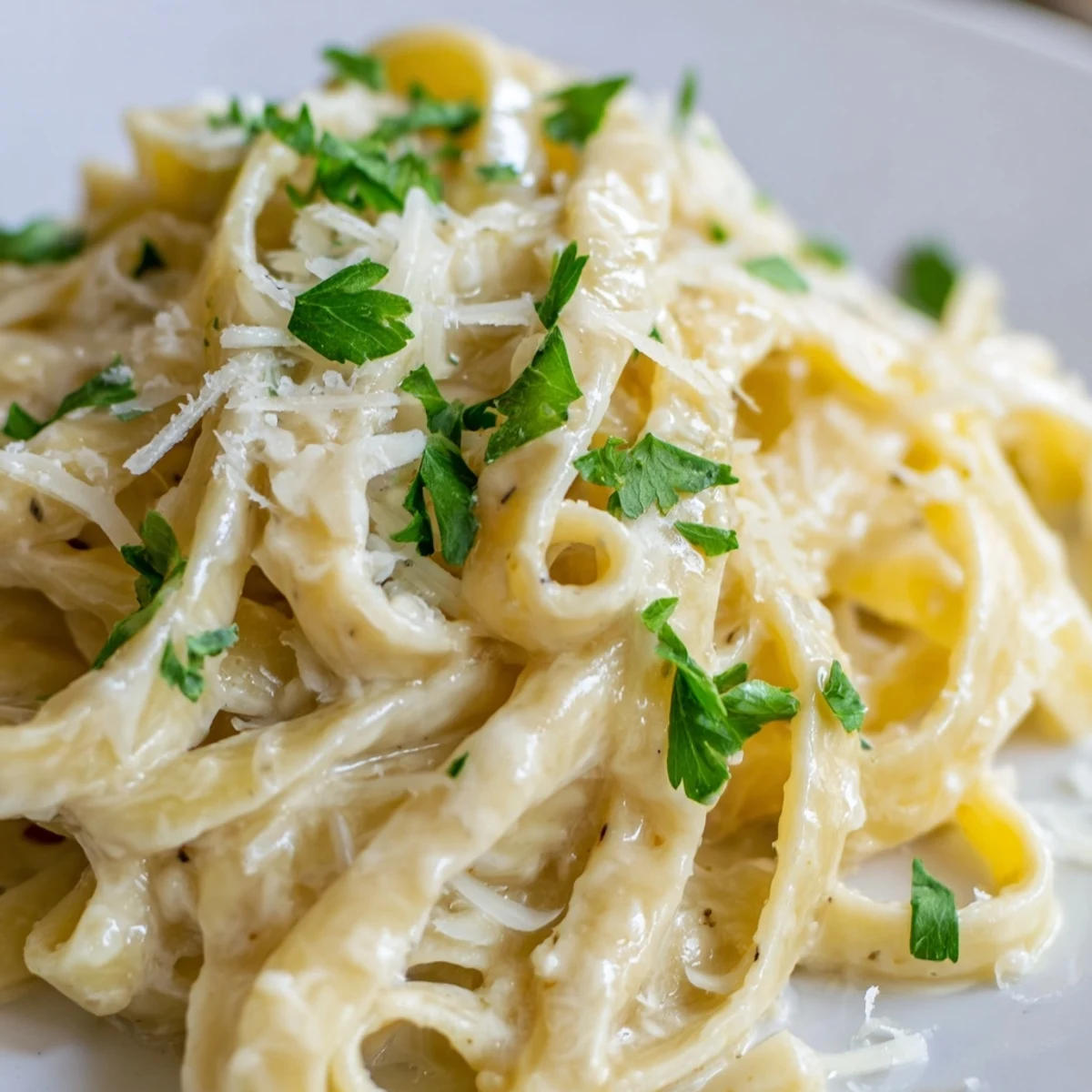
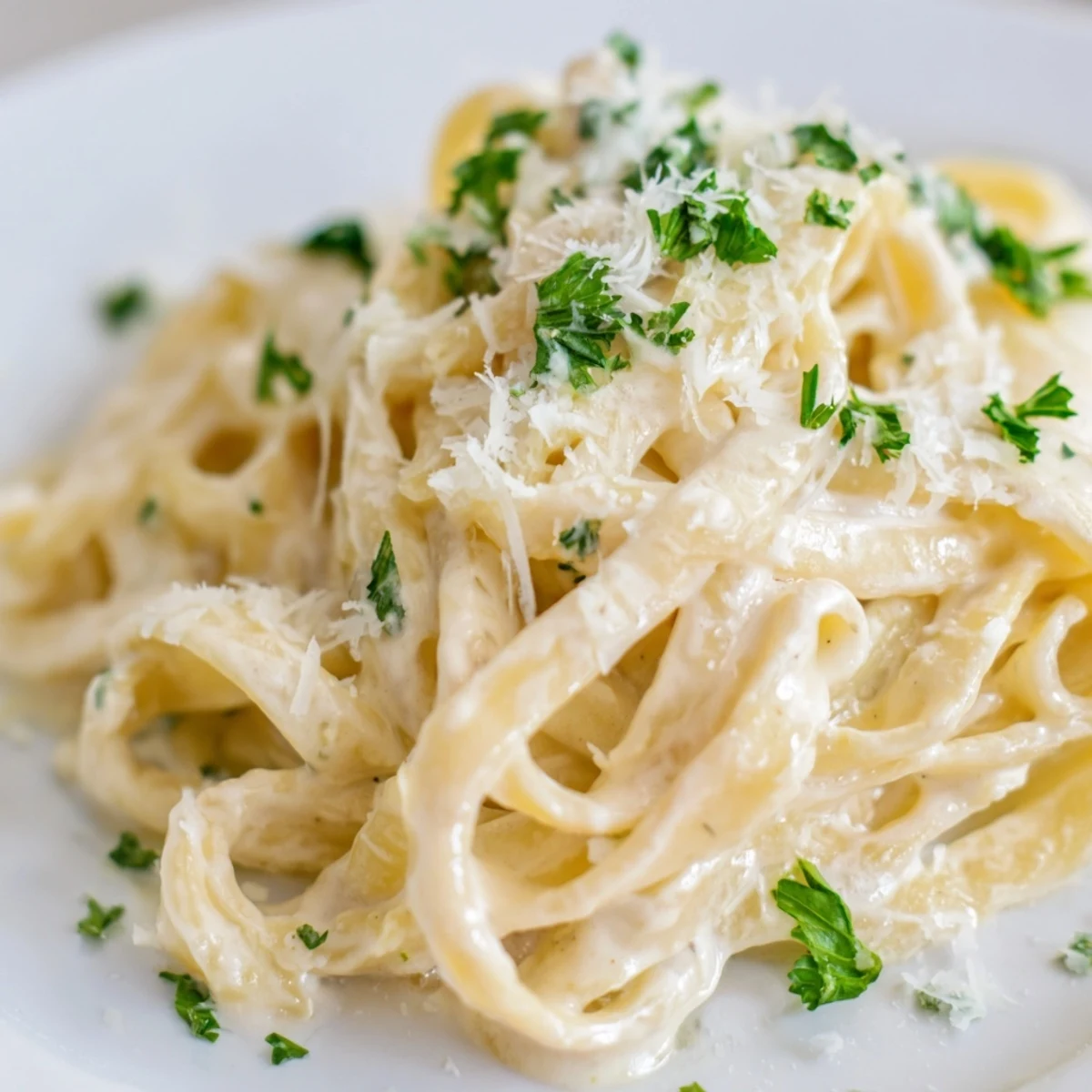
 This dish features silky fettuccine noodles gently coated in a luscious, creamy sauce made from butter, minced garlic, heavy cream, and freshly grated Parmesan cheese. The sauce is enriched with a hint of nutmeg and seasoned with sea salt and black pepper to elevate the flavors. After cooking the pasta al dente, it’s combined with the sauce in a skillet, with reserved pasta water added as needed to achieve a smooth consistency. Garnished with fresh parsley, this comforting yet elegant meal comes together quickly and offers a satisfying vegetarian option ideal for any occasion.
There's something about the aroma of butter and garlic hitting a hot pan that stops me mid-conversation every single time. My aunt taught me this sauce years ago when I showed up at her kitchen empty-handed, and she handed me a wooden spoon like I'd been waiting my whole life for that moment. Alfredo isn't fancy—it's honest food that comes together faster than you'd think, and somehow tastes like someone spent all afternoon on it.
I made this for my partner on a random Tuesday when they'd had a rough day, and watching their face when they took that first bite—that quiet kind of satisfaction—reminded me why comfort food matters. We ate right out of the warm bowls, parsley still settling on top, and didn't say much because the pasta said everything.
Ingredients
- Fettuccine (400 g): Use fresh if you can find it, though dried works beautifully when cooked to that tender-but-still-got-bite stage.
- Unsalted butter (60 g): This is your base, so don't skimp—it needs to be real butter, the kind that smells like cream when it melts.
- Garlic cloves (2, minced): Fresh is absolutely non-negotiable; jarred garlic will make you regret it, trust me on this.
- Heavy cream (300 ml): The real stuff, not the light version—this is what makes the sauce silky instead of thin.
- Parmesan cheese (120 g, freshly grated): This is the secret weapon and the most important lesson I learned the hard way—pre-grated cheese has anti-caking agents that prevent melting into smoothness.
- Sea salt (1/2 tsp, plus more for water): Fine salt dissolves better than coarse, and you'll taste the difference in every bite.
- Black pepper (1/4 tsp, freshly ground): Grind it yourself right before cooking, or store-bought will do, just not the pre-ground dust.
- Nutmeg (pinch, optional): A tiny whisper of this changes everything, but only if you like it—it's the nutmeg that makes people say 'what is that flavor?'
- Fresh parsley: For that final flourish and a tiny pop of color that makes it look intentional.
Instructions
- Get your pasta water ready:
- Fill a large pot three-quarters full with water, add a generous handful of salt—it should taste like the sea. Bring it to a rolling boil before the pasta goes in, because cold water won't cook pasta evenly.
- Cook the fettuccine:
- Drop the pasta in and stir it immediately so it doesn't stick to itself. Follow the package time, but taste it at the end—you want it soft enough to bite through but with a tiny resistance in the center. Reserve that pasta water before draining; it's liquid gold for fixing sauce consistency.
- Start the sauce base:
- Melt butter in a large skillet over medium heat, letting it foam slightly. The moment it's melted and just beginning to turn golden, add your minced garlic and listen for the sizzle—it should smell incredible within 30 seconds.
- Bring cream to life:
- Pour in the heavy cream and let it heat gently without boiling hard. You're looking for a soft simmer with small bubbles at the edges, and as it warms, it'll naturally thicken just a bit—this takes about 2 to 3 minutes of patient stirring.
- Melt the cheese into silence:
- Turn the heat to low, then add your grated Parmesan a handful at a time, stirring constantly so it melts into the cream instead of clumping. Add salt, pepper, and that pinch of nutmeg, and taste as you go—this is your moment to adjust.
- Marry pasta and sauce:
- Toss the hot fettuccine into the skillet, using tongs or a pasta fork to coat every strand. If it looks too thick, add reserved pasta water one small splash at a time until it flows like silk around the noodles.
- Finish and serve:
- Transfer to warm bowls immediately while everything is still steaming. Scatter fresh parsley on top and offer extra Parmesan to anyone who wants it at the table.
 Save to Pinterest
 My first attempt was a disaster—I rushed the cream, added cold Parmesan straight from the fridge, and ended up with something that looked like curdled scrambled eggs. But that failure taught me patience, and now I know that this dish rewards slowness. Every time I make it right, it feels like I've learned something small about cooking and about myself.
The Secret of Pasta Water
Most home cooks drain their pasta and forget about that starchy water like it's garbage, but that's where the magic lives. The pasta releases starch as it cooks, and when you swirl a little of that water into the cream sauce, it creates an emulsion that makes the sauce cling to each strand instead of sliding off. It's the difference between sauce-coated pasta and pasta swimming in sauce, and once you understand why it works, you'll never skip this step again.
Choosing Your Parmesan Wisely
There's a reason restaurants always use block Parmesan that they grate fresh—pre-grated cheese is dusted with anti-caking agents and cellulose that prevent it from melting into a smooth emulsion. You'll taste the difference immediately; the sauce will be grainy instead of silky. Buy a wedge and grate it yourself on a fine grater, or ask the cheese counter to grate it for you if time is short—either way, your sauce will thank you.
Making It Your Own
Alfredo is a canvas, and you can paint on it however you like. I've made this same sauce a hundred different ways—sometimes with crispy bacon stirred through at the end, sometimes with sautéed mushrooms that add earthiness, sometimes with shrimp that turns it into something elegant enough for a date night. The sauce is flexible, forgiving, and ready to accommodate whatever your kitchen has to offer.
- Add cooked chicken or shrimp to turn this into a complete protein-forward meal in minutes.
- Sauté mushrooms separately and fold them in at the end for an earthy, umami-rich version.
- Try adding a squeeze of fresh lemon juice right before serving if you want brightness to cut through the richness.
 Save to Pinterest
 This sauce has saved countless ordinary evenings and turned them into moments worth remembering. There's real joy in feeding people something this simple and this good.
Your Recipe Questions
- → How do I achieve a creamy sauce without lumps?
-
Slowly add the Parmesan cheese to the warm cream over low heat while stirring continuously. This helps the cheese melt evenly, preventing lumps.
- → Can I use a different type of pasta?
-
Yes, other long pasta like linguine or tagliatelle work well, but adjust cooking times to maintain an al dente texture.
- → What’s the purpose of reserved pasta water?
-
The starchy pasta water helps thin the sauce slightly and helps it cling better to the noodles for a smooth coating.
- → Is it possible to make this sauce lighter?
-
Using half-and-half instead of heavy cream can reduce richness, but the sauce may be less thick and silky.
- → How can I add extra protein to this dish?
-
Incorporate cooked chicken, shrimp, or sautéed mushrooms for added flavor and nutrition without altering the creamy texture.