
 Save to Pinterest
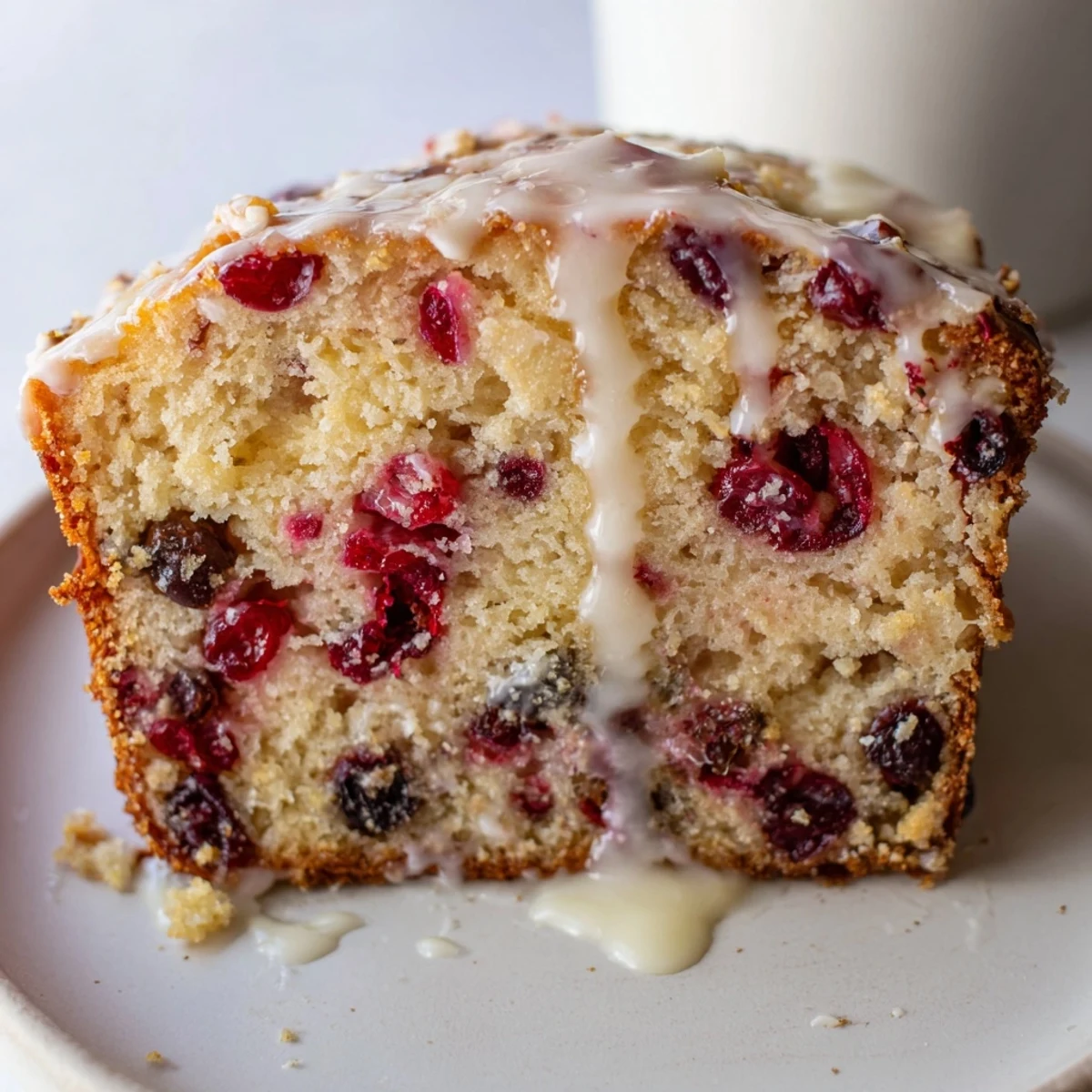
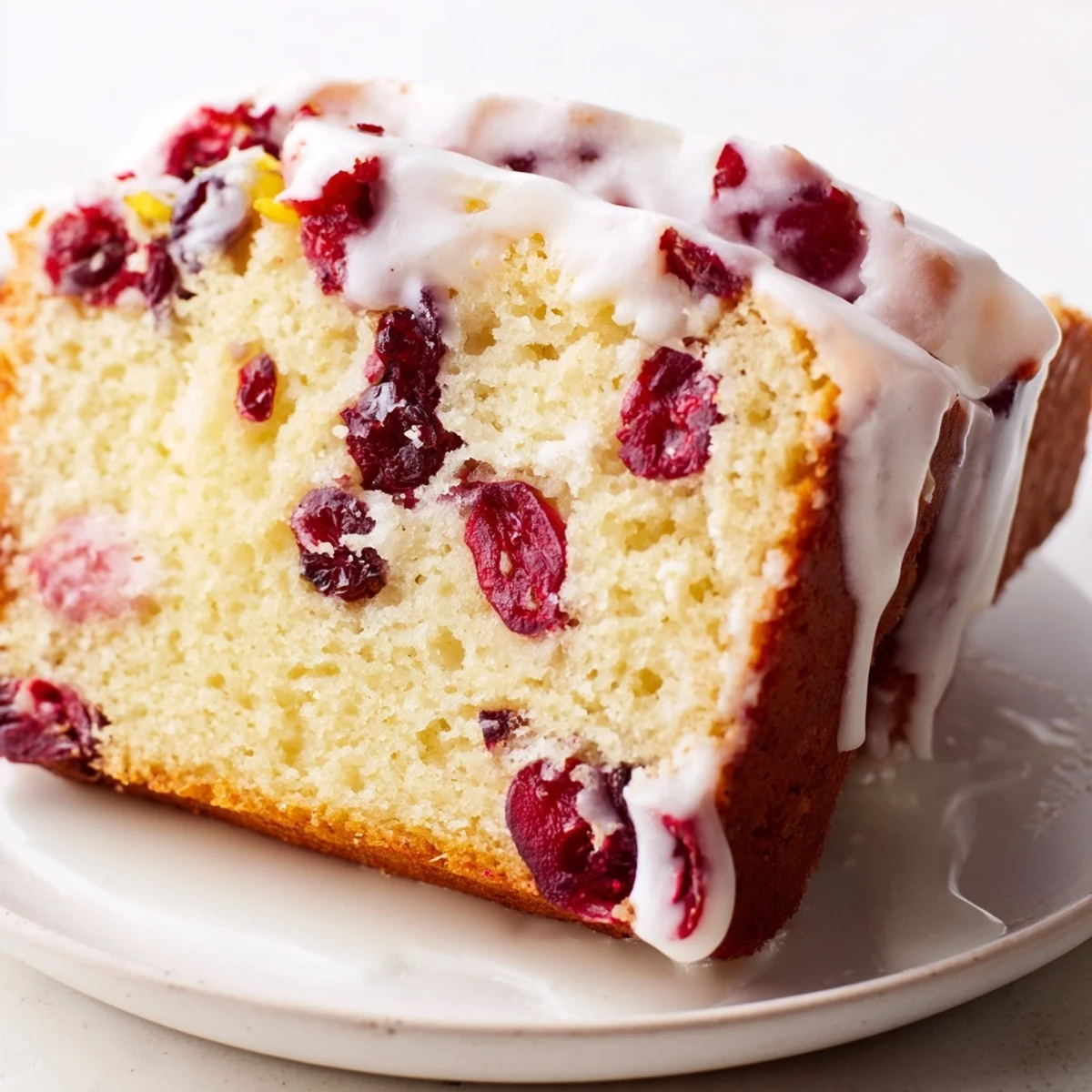
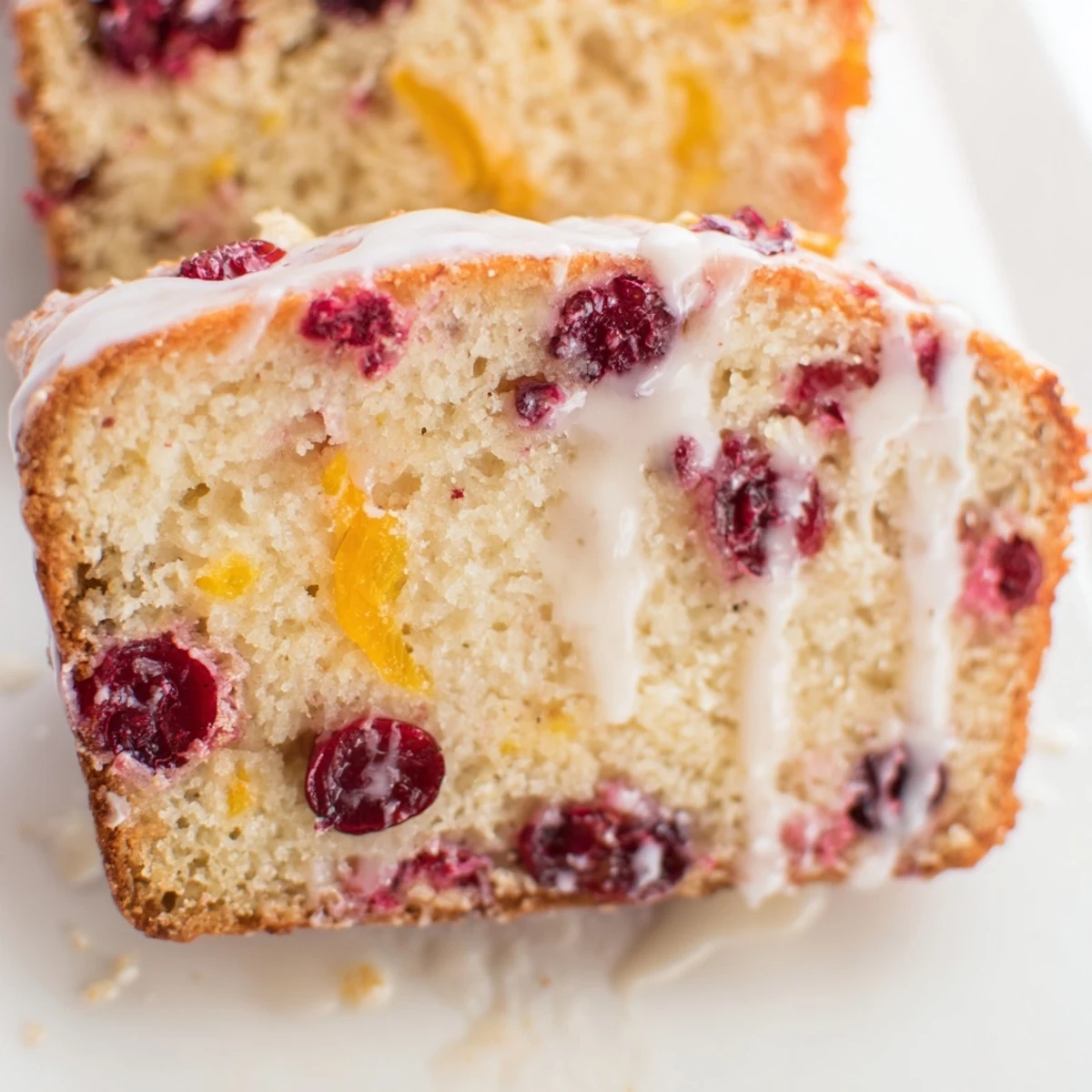
 This moist cranberry orange loaf is packed with fresh cranberries and zesty orange flavor, creating a bright and delicious treat. The batter combines flour, sugar, butter, eggs, and a splash of orange juice and zest for a perfect balance of tangy and sweet. After baking until golden, the loaf is enhanced with a smooth citrus glaze that adds a sweet finish. Ideal for pairing with tea or as an afternoon snack, this loaf offers a delightful blend of textures and flavors that brighten any table.
There was this morning when my neighbor dropped off a bag of fresh cranberries from her farmer's market haul, and I suddenly remembered why I'd been craving something bright and tart to bake. I'd made citrus loaves before, sure, but something about the way those deep red berries caught the kitchen light made me want to create something that would do them justice. That afternoon, I mixed up this cranberry-orange combination, and the smell that filled the house was so clean and zingy that my partner actually stopped working to ask what was happening in the kitchen.
I baked this for a quiet Saturday morning when my sister was visiting, and we sat at the kitchen table in silence for a minute after the first bite—the kind of moment where the food does the talking. She asked for the recipe that same day, which doesn't happen often with her. Now whenever she makes it, she texts me photos of how her glaze turned out, and somehow that little ritual has become my favorite part of sharing this recipe.
Ingredients
- All-purpose flour (2 cups): The foundation that keeps everything tender; don't sift unless you want a denser crumb, and honestly, this recipe is forgiving enough that you don't need to.
- Baking powder and baking soda (1½ tsp and ½ tsp): They work together to lift the loaf gently, giving you that perfect moist but not-wet texture.
- Salt (½ tsp): A little goes a long way to wake up the citrus flavors, so don't skip it even though the amount seems tiny.
- Granulated sugar (1 cup): This creates the tender crumb you're after, so using the exact amount matters more than you might think.
- Unsalted butter (½ cup, softened): Room temperature is genuinely important here—cold butter won't cream properly, and you'll end up with a tougher loaf.
- Eggs (2 large): They bind everything together and add richness that makes people think you used buttermilk or something fancy.
- Greek yogurt or sour cream (½ cup): Either one adds moisture and a subtle tang that deepens the flavor; yogurt is my preference because it's usually what I have.
- Milk (¼ cup): The final moisture adjustment that keeps things from being dry without making the batter too thin.
- Orange zest and juice (1 zest + ¼ cup juice): This is where the magic lives—fresh citrus makes all the difference, so don't use bottled juice or the flavor becomes one-dimensional.
- Fresh or frozen cranberries (1½ cups, halved if large): Halving them helps them distribute evenly and prevents them from sinking, which I learned after a few uneven loaves.
- Vanilla extract (1 tsp): Just a whisper of vanilla brings everything into focus and prevents the orange from feeling too sharp.
- Powdered sugar and orange juice for glaze (1 cup sugar + 2–3 tbsp juice): The glaze is the outfit that makes this loaf feel finished, so take a moment to get it smooth and pourable.
Instructions
- Get your pan ready:
- Preheat to 350°F and grease that 9x5-inch loaf pan, then line it with parchment paper so the loaf practically falls out when it's done. This step takes one minute and saves you twenty minutes of careful wedging later.
- Mix your dry ingredients:
- Whisk together flour, baking powder, baking soda, and salt in a medium bowl—this distributes the leavening evenly so you don't get any bitter pockets. Set it aside and take a breath.
- Cream butter and sugar:
- In a large bowl, beat the softened butter and sugar together until it's pale and fluffy, about two to three minutes with an electric mixer. This step is where the air gets incorporated, which is why it matters.
- Build the wet mixture:
- Add eggs one at a time, beating well after each one so they integrate properly instead of just sitting on top. Then add your yogurt, milk, orange zest, orange juice, and vanilla, mixing until smooth and combined.
- Fold everything together:
- Here's where patience saves you—gradually fold in your dry ingredients with a spatula or wooden spoon, stopping the moment you don't see streaks of flour anymore. Overmixing creates tunnels in the crumb, so trust that it's done when it looks done.
- Add the cranberries:
- Gently fold them in last so they're distributed throughout the batter instead of sinking to the bottom. If you're using frozen cranberries, don't thaw them—they'll stay suspended better.
- Get it in the oven:
- Pour the batter into your prepared pan and smooth the top with a spatula, then slide it into the preheated oven. If it starts browning too quickly after 40 minutes, loosely tent it with foil so the inside catches up.
- Bake until golden:
- Bake for 50 to 60 minutes until a toothpick inserted into the center comes out clean—the loaf should be golden brown and smell unbelievably good. If you're not sure it's done, bake another five minutes rather than pulling it out too early.
- Cool with intention:
- Let it rest in the pan for ten minutes (this prevents it from cracking as it sets), then turn it out onto a wire rack to cool completely. This is when you can already tell if you've nailed it.
- Make the glaze:
- Whisk powdered sugar and orange juice together until it's smooth and pourable, like thin honey. Drizzle it over the completely cooled loaf so it cascades down the sides.
- Let it set:
- Give the glaze a few minutes to firm up before you slice into it, or it'll slide right off.
 Save to Pinterest
 The first loaf I made of this was for a friend going through a rough patch, and I watched her face when she tasted it—something about the brightness of it seemed to matter in a way that nothing else that week had. She later told me she'd had a slice with her coffee every morning for three days and it had become a small, solid thing in an unstable time.
Why This Loaf Works Year-Round
I've made this in winter when I needed something warm and comforting, and in early fall when the first cranberries appeared and reminded me that seasons were changing. The combination of tart fruit and bright citrus somehow feels right no matter what's happening outside, and the moist crumb means it's as good on day two as it is fresh from the cooling rack. It's the kind of recipe that sits in your rotation and just makes sense whenever you need something that feels a little special without requiring you to be a special kind of baker.
Variations and Swaps That Actually Work
If you want to play around, lemon works in place of orange—it's brighter and sharper, and you'll get a completely different vibe from the same base recipe. A sprinkle of cinnamon in the dry ingredients adds warmth and makes it feel more like fall, and honestly, that's the version I make most often now. Some people add a splash of almond extract along with the vanilla, which sounds odd but creates this subtle depth that catches people off guard in the best way.
Storing, Serving, and Sharing
This loaf stays moist at room temperature for three days in an airtight container, getting softer as it sits, which some people prefer. If you want to keep it longer, wrap it well and refrigerate—it'll last up to a week and actually tastes even better after a day or two when all the flavors have settled. Slice it thick, toast it if it's a day or two old, and serve it alongside black tea or Prosecco if you're feeling like making a moment out of breakfast.
- Wrap individual slices in parchment paper and freeze them for up to three months—they thaw beautifully and taste almost as good as fresh.
- If you're giving this as a gift, arrange the slices nicely on a board or in a box, and include a note about storing it in an airtight container.
- A slice pairs remarkably well with soft cheese if you want to turn breakfast into something a little more elevated.
 Save to Pinterest
 This loaf has become the recipe I make when I want to give someone something that tastes like I was thinking of them. There's something about handing over a slice of something you've made with your own hands that says things words sometimes can't.
Your Recipe Questions
- → What can be used instead of orange in this loaf?
-
Lemon juice and zest make a great alternative, providing a fresh citrus twist.
- → How do I prevent the loaf from browning too quickly?
-
After 40 minutes of baking, loosely cover the loaf with foil to prevent over-browning while it finishes cooking.
- → Can frozen cranberries be used instead of fresh ones?
-
Yes, frozen cranberries work well; just be sure to cut large berries in half for even distribution.
- → How should the loaf be stored to maintain freshness?
-
Store it in an airtight container at room temperature for up to 3 days, or refrigerate for longer freshness.
- → What tools are essential for making this loaf?
-
You will need a loaf pan, mixing bowls, a whisk or electric mixer, measuring spoons, a zester, parchment paper, and a wire rack.