
 Save to Pinterest
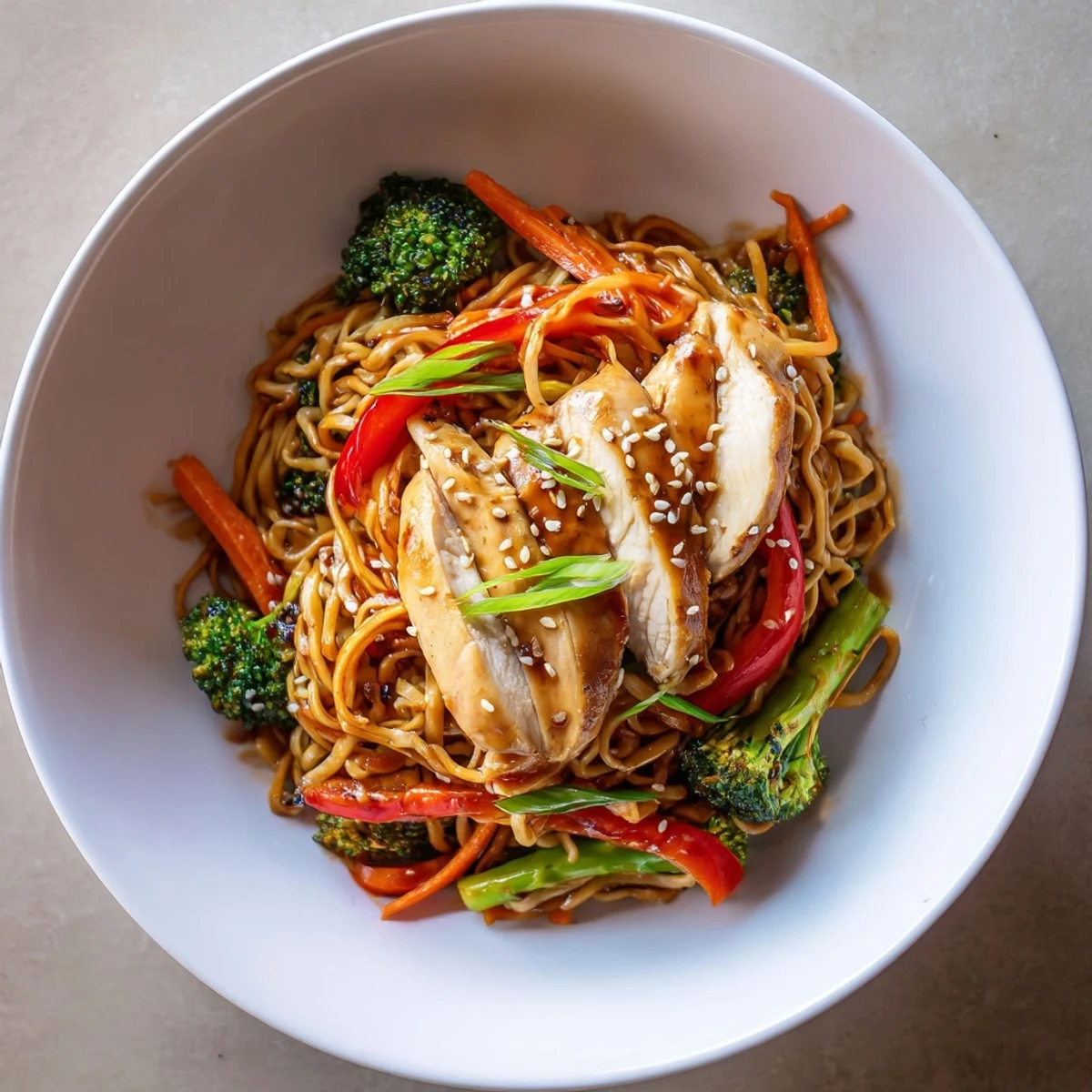
 In about 30 minutes, thinly sliced chicken is seared until golden, then returned to the pan with par-cooked ramen, bell pepper, broccoli, carrot and green onions. A whisked sauce of soy, oyster, hoisin, honey and sesame oil brightens and coats everything. Use a hot skillet or wok to keep vegetables crisp. Swap tofu or shrimp, add snap peas or chili flakes, and finish with sesame seeds. Serves four.
The sizzle of chicken hitting a screaming hot wok on a Tuesday evening is its own kind of therapy after a long day. This chicken ramen stir fry came together one night when the fridge offered half a bell pepper, some sad broccoli, and a couple of instant ramen packs I had sworn I would stop buying. Thirty minutes later I was slurping noodles coated in a sticky savory sauce wondering why I ever doubted those cheap little squares. It has been in heavy rotation ever since.
My roommate walked in halfway through cooking this once, peeked into the wok, and immediately grabbed a plate without being offered any. That is the kind of loyalty this dish inspires.
Ingredients
- 2 boneless skinless chicken breasts thinly sliced: Slice against the grain and slightly freeze the chicken first for paper thin even pieces that cook fast and stay tender.
- 1 red bell pepper thinly sliced: Red adds a sweetness and bright color that makes the whole dish pop on the plate.
- 1 cup broccoli florets: Cut them small so they cook quickly and soak up more sauce in every crevice.
- 1 carrot julienned: Thin matchsticks cook fast and bring a satisfying little crunch.
- 3 green onions sliced: Save half for garnish because the raw bite on top is worth it.
- 2 cloves garlic minced: Fresh garlic only, the jarred stuff loses the punchy warmth that makes the sauce sing.
- 2 packs instant ramen noodles seasoning packets discarded: Those salty little packets have no place here, the homemade sauce is the real star.
- 1/4 cup low sodium soy sauce: Low sodium lets you control the salt level without losing that deep umami backbone.
- 2 tablespoons oyster sauce: This is the secret weapon that gives the sauce its glossy richness and body.
- 1 tablespoon hoisin sauce: A layer of sweet complexity that rounds everything out beautifully.
- 1 tablespoon honey: Helps the sauce cling to the noodles and gives a gentle caramelized edge when it hits the hot pan.
- 1 teaspoon sesame oil: Just a teaspoon is all you need for that nutty toasted aroma that makes it taste restaurant quality.
- 2 tablespoons vegetable oil: Divided between cooking the chicken and the vegetables so nothing sticks and everything gets a good sear.
- 1 tablespoon sesame seeds optional for garnish: A sprinkle at the end adds a satisfying little crunch and makes it look beautiful.
Instructions
- Whisk the sauce together:
- In a small bowl combine the soy sauce, oyster sauce, hoisin, honey, and sesame oil until smooth. Give it a taste and adjust if you like it sweeter or saltier.
- Cook the noodles al dente:
- Boil the ramen blocks for about one minute less than the package says so they stay bouncy and firm. Drain and rinse under cold water to stop the cooking and keep them from turning mushy later.
- Sear the chicken:
- Heat one tablespoon of vegetable oil in a large skillet or wok over medium high heat until it shimmers. Add the sliced chicken in a single layer and let it sit undisturbed for a minute to develop a golden crust before tossing.
- Stir fry the vegetables:
- Push the chicken out and add the remaining oil, then toss in the garlic, bell pepper, broccoli, and carrot. Keep things moving for three to four minutes until the vegetables are crisp tender and still vibrant.
- Bring it all together:
- Return the chicken to the pan and add the noodles, green onions, and the sauce all at once. Toss vigorously for two to three minutes until every strand and piece is glossy and coated.
- Serve and finish:
- Slide it onto plates immediately and scatter sesame seeds over the top while everything is still steaming hot.
 Save to Pinterest
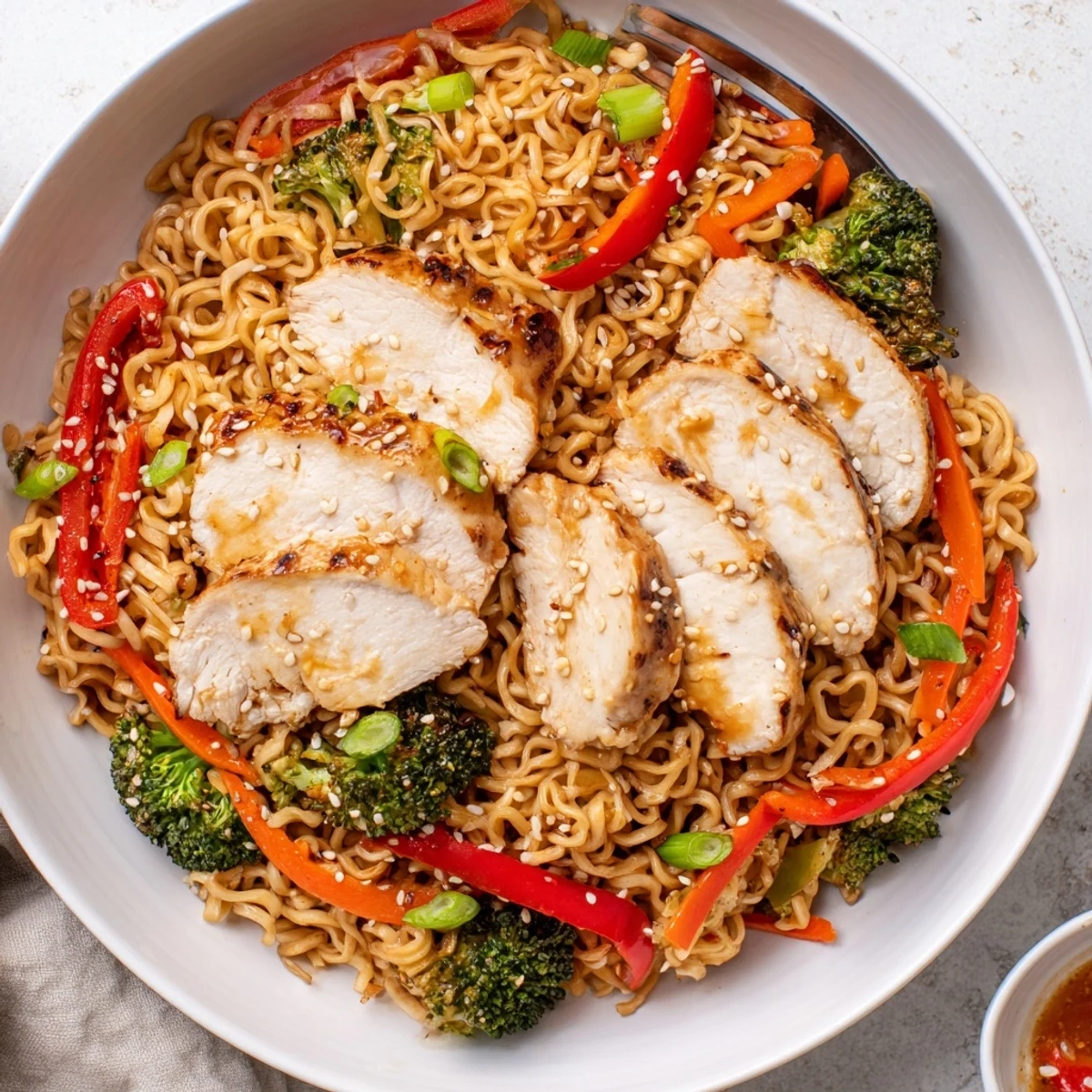
 There is something deeply satisfying about lifting a wok full of glossy tangled noodles and colorful vegetables that you threw together from basically nothing.
Making It Your Own
This recipe is a blueprint more than a rule book, so feel free to riff based on whatever is sitting in your crisper drawer. Snow peas, sliced mushrooms, or a handful of baby corn all belong here just as much as the original lineup. For protein swaps, bite sized tofu pressed dry and seared until crispy or quick cooking shrimp both work beautifully. A pinch of chili flakes or a squirt of sriracha stirred in at the end transforms the whole dish into something bolder if heat is your love language.
Getting the Texture Right
The biggest enemy of a great stir fry is moisture where it does not belong, so pat the chicken dry before it hits the pan and do not skip the cold water rinse on the noodles. A wok is ideal because its curved sides let you toss freely, but a large wide skillet works if that is what you have. The vegetables should still have a slight snap when you bite into them, which means pulling them off the heat just before you think they are done. Everything carries over and finishes cooking in the residual heat anyway.
What to Serve Alongside
This stir fry is honestly a complete meal on its own but a few simple sides can turn a weeknight dinner into something that feels a little more special. A chilled glass of Riesling or a light lager cuts through the richness and refreshes the palate between bites. A quick cucumber salad dressed with rice vinegar and a pinch of sugar adds a cool crunch that contrasts the warm saucy noodles perfectly.
- Keep extra soy sauce and sesame oil on the table for anyone who wants to adjust their own bowl.
- A squeeze of fresh lime juice over the top right before eating brightens every single flavor.
- Leftovers store well in the fridge for up to three days and make an incredible cold noodle lunch the next day.
 Save to Pinterest
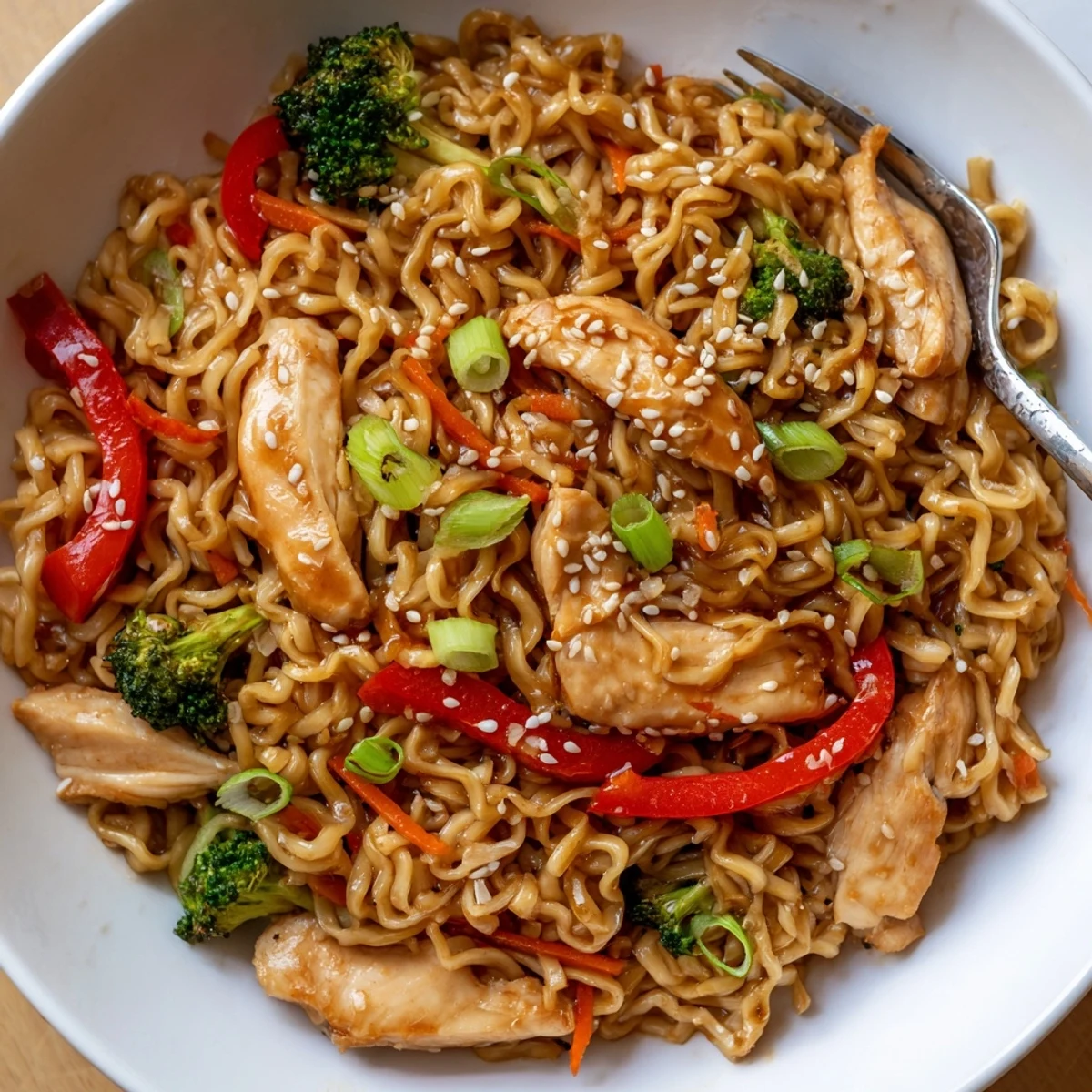
 Some of the best meals are born from laziness and leftover ingredients, and this dish proves it every single time. Grab your wok and let the sizzle do the talking.
Your Recipe Questions
- → How do I keep the noodles from getting soggy?
-
Cook the ramen one minute less than package directions, rinse under cold water to stop cooking, and toss into the hot pan just before serving so they finish in the sauce without overcooking.
- → Can I swap the chicken for another protein?
-
Yes—firm tofu, shrimp, or thinly sliced pork work well. Adjust cook time: tofu should be browned, shrimp only needs a couple minutes until opaque.
- → What’s the best way to get crisp-tender vegetables?
-
Stir-fry over medium-high to high heat in a large skillet or wok, cook denser vegetables like broccoli first, then add quicker-cooking items so everything finishes with a slight bite.
- → How can I make this gluten-free?
-
Use gluten-free noodles and replace soy and oyster sauces with tamari and gluten-free oyster alternatives; always check labels for hidden gluten in sauces.
- → How do I add more heat or brightness?
-
Add a pinch of chili flakes, a drizzle of sriracha, or a squeeze of lime. Fresh ginger or a splash of rice vinegar can also brighten the overall flavor.
- → What’s the best way to store and reheat leftovers?
-
Refrigerate in an airtight container for up to 2–3 days. Reheat in a skillet over medium heat with a splash of water or oil to loosen the sauce and revive the noodles.