
 Save to Pinterest
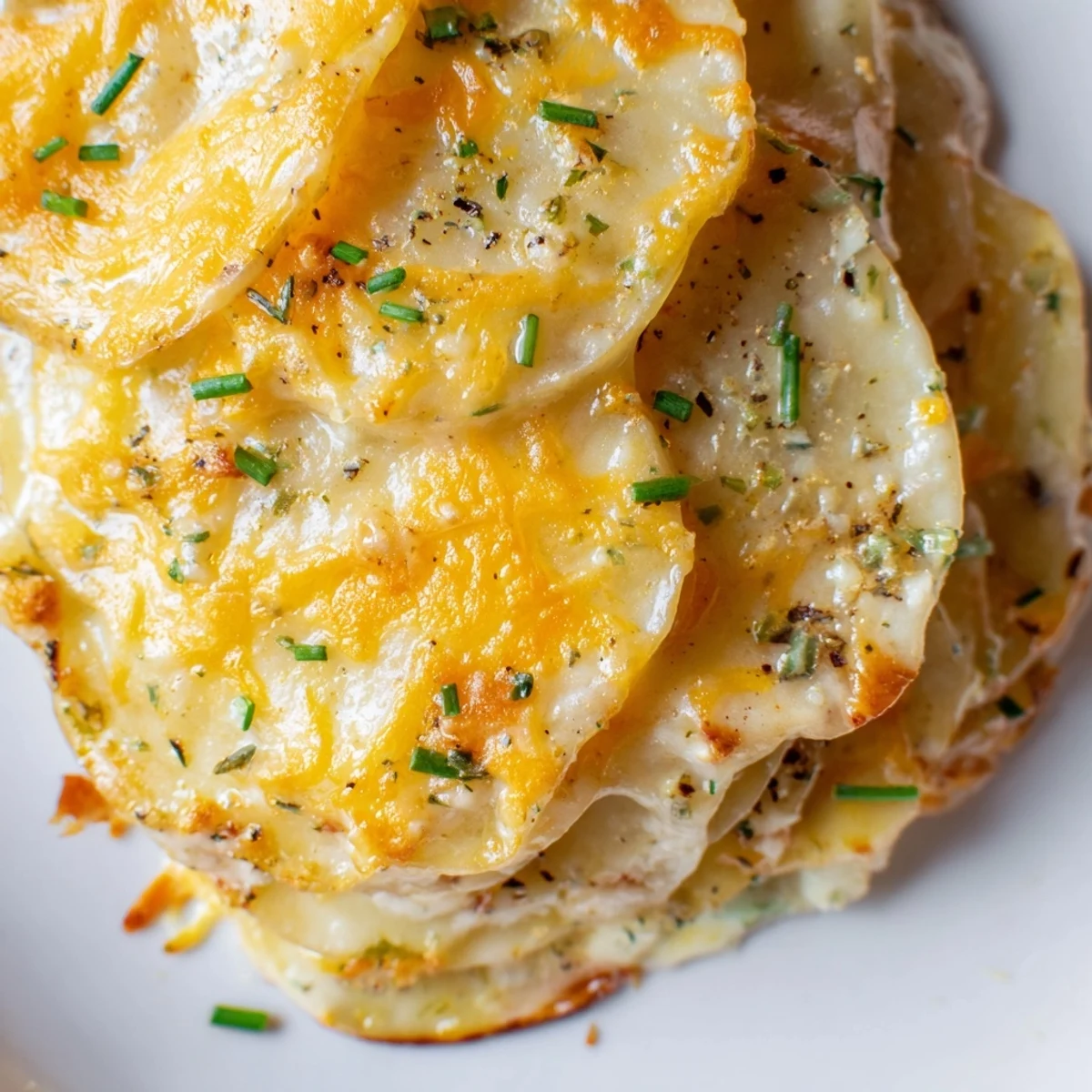
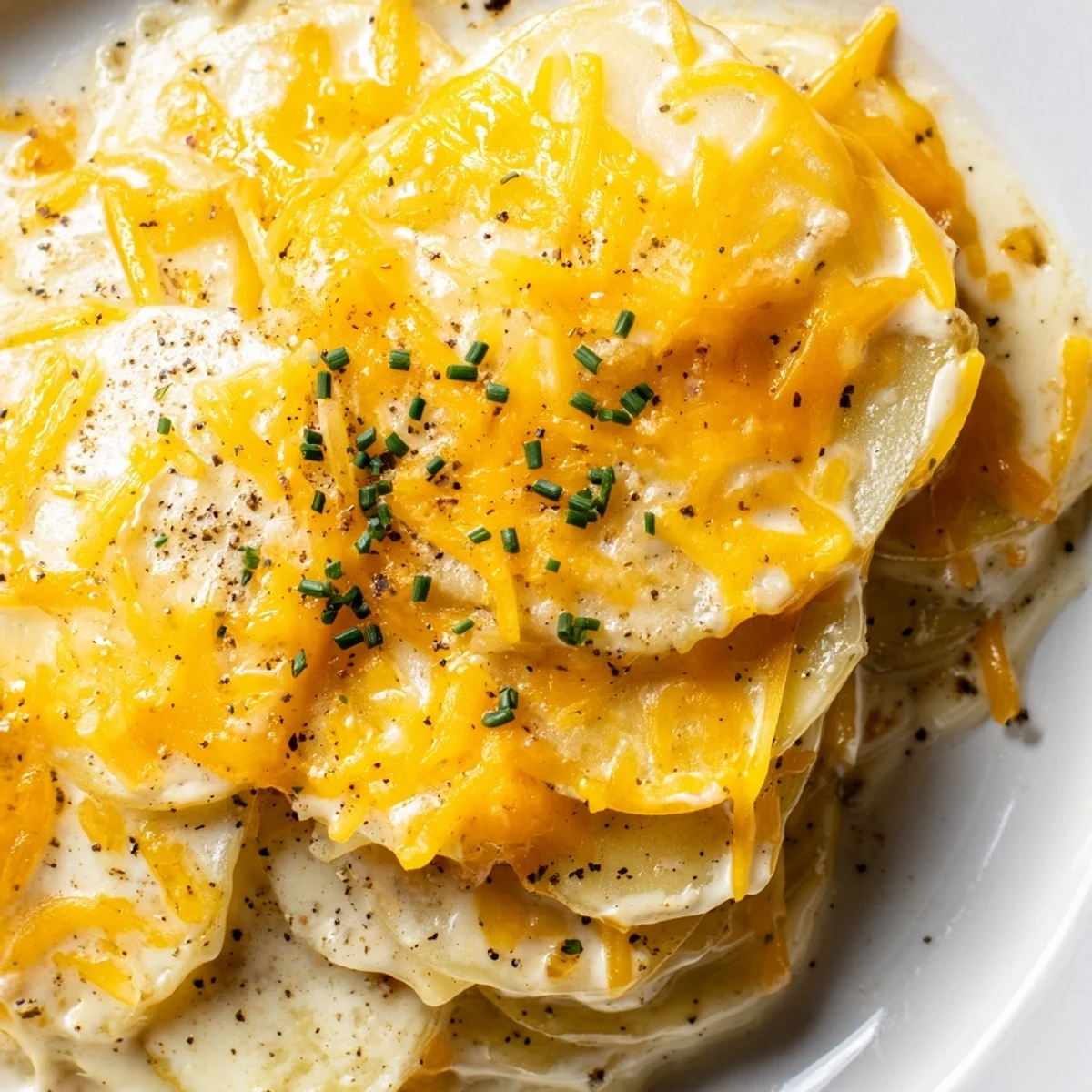
 This dish features thinly sliced russet potatoes baked in a luscious blend of cream, milk, and sharp cheddar combined with Gruyère cheese. Layers of potatoes and cheese sauce are baked until golden and bubbly, delivering a comforting and indulgent side. The inclusion of subtle seasonings like garlic, nutmeg, and pepper enhances the richness, while optional herbs add a fresh touch. Ideal for gatherings or as a cozy complement to main dishes, this preparation balances creamy textures with tender baked potatoes.
There's something about the sound of a potato slicer hitting the cutting board that signals comfort is coming. I discovered this recipe during a particularly cold November when my neighbor dropped off fresh cream from their farm stand, and I suddenly understood why people talk about scalloped potatoes the way they do—golden, bubbling, impossibly creamy, the kind of dish that makes everyone pause mid-conversation to appreciate what's on their plate.
I made this for a holiday gathering where someone's aunt kept asking why it tasted restaurant-quality, and I remember feeling this quiet pride knowing it was just butter, cream, potatoes, and time—no tricks, just good technique and patience.
Ingredients
- Russet potatoes (1.5 kg): They break down just enough to be creamy while still holding their shape through baking; waxy potatoes won't give you that tender finish you're after.
- Heavy cream (2 cups) and whole milk (1 cup): The combination prevents the sauce from being too heavy while keeping it rich enough to coat every slice.
- Sharp cheddar cheese (2 cups) and Gruyère (1 cup): This is where the magic happens—sharp cheddar brings bite, Gruyère adds nutty depth that makes people ask what you did differently.
- Butter (2 tbsp): For sautéing the aromatics and greasing the dish; it's the foundation of the cream sauce.
- Onion (1 medium, optional): If you include it, it softens into the cream and adds a subtle sweetness that balances the sharp cheese.
- Garlic (2 cloves): Minced small and cooked gently so it doesn't overpower but gives the sauce a whisper of depth.
- Salt, black pepper, ground nutmeg: Nutmeg is the secret ingredient most people forget—just a quarter teaspoon transforms this from good to unforgettable.
- Fresh chives or parsley (optional garnish): A bright finish that cuts through the richness and adds color.
Instructions
- Get your dish ready:
- Preheat to 180°C (350°F) and butter a 23x33 cm baking dish generously—this matters more than it sounds because it prevents sticking and adds flavor to the edges.
- Build the flavor base:
- Melt butter over medium heat, add onion if using, and let it soften for about 3 minutes until it's translucent and sweet. Add garlic and cook just until the kitchen smells incredible, about 1 minute.
- Make the cream sauce:
- Pour in the cream, milk, salt, pepper, and nutmeg—stir gently until steaming but never boiling, which can make the cream separate. Take it off heat the moment it's warm through.
- Layer like you mean it:
- Arrange half your potato slices overlapping slightly like shingles, pour half the cream over them, then scatter half the mixed cheeses. This creates pockets of creaminess throughout.
- Build to the finish:
- Top with remaining potatoes, remaining cream, and remaining cheese—don't skip the cheese on top because that's what gets golden and bubbly.
- The patient bake:
- Cover tightly with foil and bake 45 minutes, then uncover and bake another 15-20 minutes until the top is golden brown and a knife slides through the potatoes easily.
- The hardest part:
- Let it rest for 10 minutes before serving—this sets the structure and lets the flavors settle, though every minute feels impossibly long.
 Save to Pinterest
 The moment that made this recipe stick for me was watching someone I'd just met take a second helping without asking, just reaching across the table like it was the most natural thing in the world. That's when I knew this wasn't just a side dish—it was something people actually wanted more of.
Why This Works Better Than You'd Think
Scalloped potatoes seem intimidating because they feel like something that requires a culinary degree, but the truth is simpler: it's just potatoes in cream sauce with cheese, and the oven does almost all the work. The key is understanding that you're not cooking potatoes in cheese sauce—you're baking potatoes in cream that happens to have cheese in it, which means the cream does the work of tenderizing while the cheese adds flavor and richness.
The Cheese Situation
Most people use one cheese for this, which is fine, but using two changes everything because they bring different qualities—sharp cheddar adds tang and personality while Gruyère adds this subtle nuttiness that most people can't identify but definitely taste. If you can't find Gruyère, Swiss cheese works, but avoid pre-shredded cheese that's coated in anti-caking agents because it won't melt smoothly into the sauce.
Make It Your Own
Once you understand the basic structure, this dish is flexible enough to adapt to what you have on hand or what sounds good at the moment. The cream sauce is forgiving, the potatoes are humble, and the cheese is where your personality shows up.
- Add a pinch of cayenne or smoked paprika to the cream mixture if you want warmth and depth beyond what nutmeg provides.
- Layer in some fresh herbs like thyme between the potato layers for a garden-fresh note that cuts through the richness.
- A handful of caramelized onions stirred into the cream makes it feel like you've been cooking all day.
 Save to Pinterest
 This is the kind of recipe that gets better every time you make it because you start learning small things—how your oven browns things, whether you prefer it extra creamy or more set, whether you like it warm or room temperature. It's comfort food in its purest form.
Your Recipe Questions
- → What type of potatoes is best for this dish?
-
Russet potatoes are ideal as their starchy texture holds up well during baking and absorbs the creamy sauce beautifully.
- → Can I substitute the cheeses used?
-
Gruyère can be swapped for Swiss cheese for a milder flavor, while sharp cheddar adds a robust taste essential to the dish's character.
- → Is it necessary to peel the potatoes?
-
Peeling ensures a smooth, tender texture throughout, though leaving the skin on can add a rustic element if you prefer.
- → How do I prevent the dish from drying out?
-
Covering with foil during the initial baking phase helps retain moisture, keeping the potatoes tender and the sauce creamy.
- → Can I add extra flavor to the cream mixture?
-
Yes, adding a pinch of cayenne pepper or smoked paprika can introduce subtle warmth and complexity to the sauce.