
 Save to Pinterest
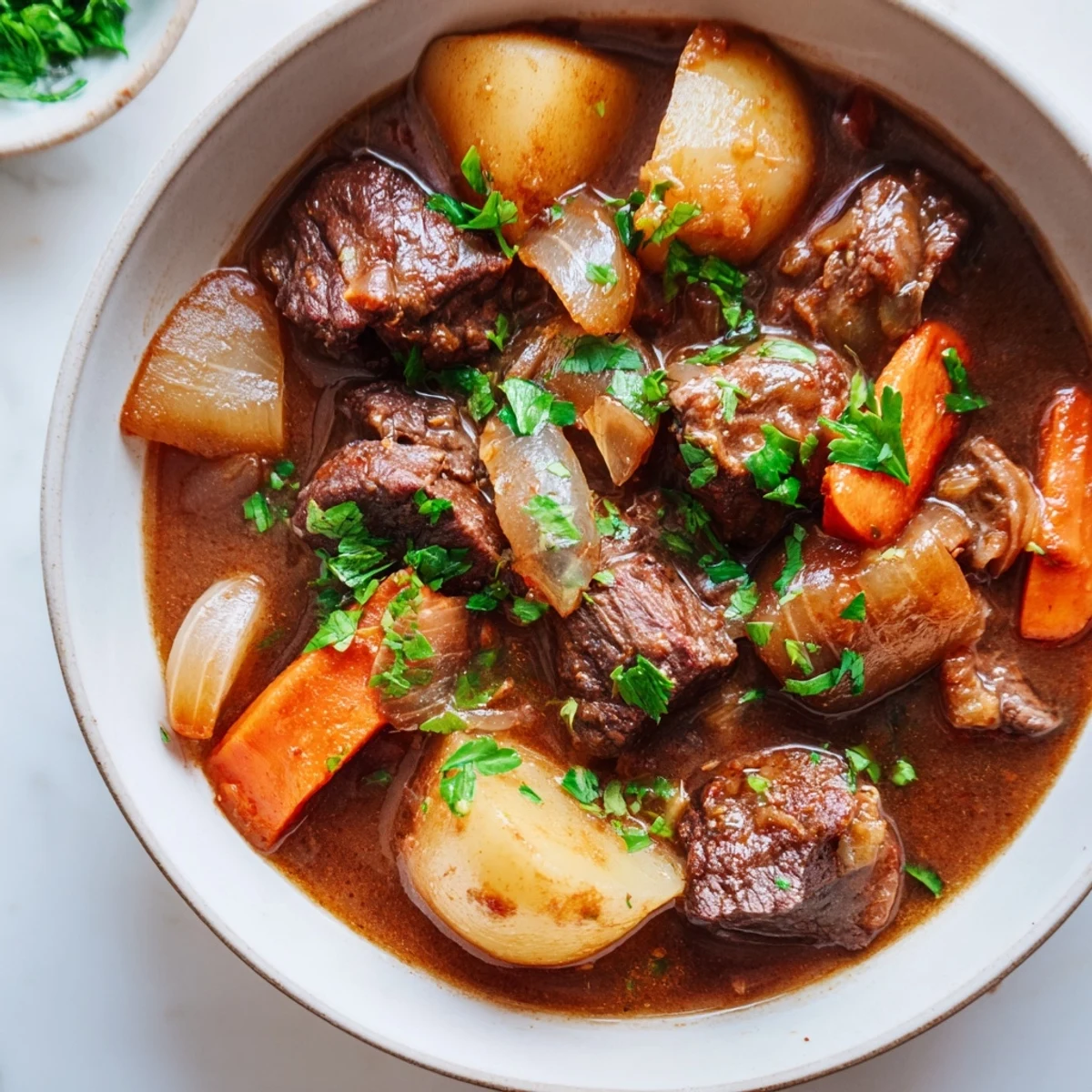
 This hearty Irish-inspired stew features tender cubes of beef slowly simmered with root vegetables like carrots, parsnips, and potatoes in a rich, malty non-alcoholic stout base. Aromatic herbs such as thyme and bay leaves deepen the flavors, while Worcestershire sauce adds savory notes without alcohol. Perfect for chilly evenings, this dish delivers comfort and warmth with every spoonful, finished with fresh parsley to brighten the palate.
There's something about the aroma of a proper stew simmering on the stove that pulls people into the kitchen, even on the coldest afternoons. I discovered this beef and malty stew years ago when someone handed me a bowl on a November evening, and I realized comfort food didn't need a drop of alcohol to taste like home. The deep, caramel-like richness comes from non-alcoholic stout and slow-cooked beef that practically melts on your tongue. Now it's the first thing I make when the weather turns and people need feeding.
I served this to my sister when she was avoiding alcohol for a while, and I'll never forget the surprise on her face when she took her first spoonful—she said it tasted like autumn itself, like someone had bottled the smell of roasted malts and brown butter and poured it into a bowl. That moment stuck with me because it proved that building flavor is about patience and the right ingredients, not shortcuts.
Ingredients
- Beef chuck, 1 kg (2.2 lbs), cut into 2.5 cm cubes: Stewing beef has just enough marbling to stay tender through long cooking, and the size matters—too small and it disappears into the broth.
- Non-alcoholic stout or malt beverage, 500 ml (2 cups): This is where the magic lives; it brings sweetness, depth, and that signature malty color without any alcohol.
- Onions, 2 large, diced: They break down into the broth and create a natural sweetness that balances the savory elements.
- Carrots, 3, peeled and sliced: Carrots add earthiness and just enough natural sugar to round out the flavors.
- Parsnips, 2, peeled and sliced: Often overlooked, parsnips bring a subtle nuttiness that deepens the overall taste.
- Potatoes, 3, peeled and cut into chunks: They thicken the broth naturally as they break down, so don't worry about a starch slurry.
- Celery, 2 stalks, sliced: A quiet backbone ingredient that adds subtle umami without announcing itself.
- Garlic, 3 cloves, minced: Wait until the vegetables hit the pan to add it, so it doesn't burn during the browning stage.
- Beef stock, 500 ml (2 cups), low sodium: Low sodium lets you control the saltiness as the stew reduces and intensifies.
- Tomato paste, 2 tbsp: A concentrate of umami that adds depth and helps darken the broth slightly.
- Worcestershire sauce, 2 tbsp, alcohol-free: Check the label carefully—this brings savory complexity that makes people ask what's in the pot.
- All-purpose flour, 3 tbsp: This creates a light coating on the beef that helps thicken the final stew.
- Vegetable oil, 3 tbsp: Spread across browning batches of beef, it prevents sticking without smoking.
- Fresh thyme leaves, 2 tsp (or 1 tsp dried): Fresh thyme is brighter; dried is more concentrated—both work, just adjust to your preference.
- Bay leaves, 2: Remove them before serving; they're flavor architects, not meant to be eaten.
- Salt and black pepper: Taste as you go—stews need seasoning more than most dishes because flavors mute as they cook.
- Fresh parsley, chopped, for garnish: This final touch of green brightness cuts through the richness and makes the bowl look alive.
Instructions
- Dry and coat your beef:
- Pat the beef cubes completely dry with paper towels—any moisture on the surface will steam instead of brown, and browning is where flavor is born. Toss the dried beef with flour, salt, and pepper until every piece is lightly coated.
- Brown the beef in batches:
- Heat 2 tablespoons oil in your Dutch oven over medium-high heat until it shimmers. Working in batches so you don't crowd the pan, brown the beef on all sides until it's deep golden-brown—this takes about 3 to 4 minutes per batch. Transfer each batch to a plate; don't wash the pot.
- Sauté the vegetables:
- Add the onions, carrots, parsnips, celery, and garlic to the same pot. The browned bits stuck to the bottom are liquid gold—scrape them up with your wooden spoon as you stir. Cook for about 5 minutes until the vegetables soften slightly and the raw onion smell fades.
- Toast the tomato paste:
- Stir in the tomato paste and let it cook for 1 minute, stirring constantly. This concentrates its flavor so it doesn't taste tinny or thin in the final stew.
- Combine everything and simmer:
- Return the beef to the pot along with the non-alcoholic stout, beef stock, Worcestershire sauce, thyme, and bay leaves. Stir well, then bring the whole thing to a gentle simmer—not a rolling boil, which toughens the meat. Cover the pot, reduce heat to low, and let it cook for 1.5 hours, stirring now and then.
- Add the potatoes:
- After 1.5 hours, add the potato chunks, cover again, and simmer for another 40 minutes. The beef should be so tender it falls apart when you touch it with a spoon, and the vegetables should be completely soft.
- Finish and serve:
- Fish out and discard the bay leaves. Taste the broth and adjust the salt and pepper if needed—stews often need more seasoning than you'd think because the flavors become muted through cooking. Ladle into bowls and finish with a generous sprinkle of fresh parsley.
 Save to Pinterest
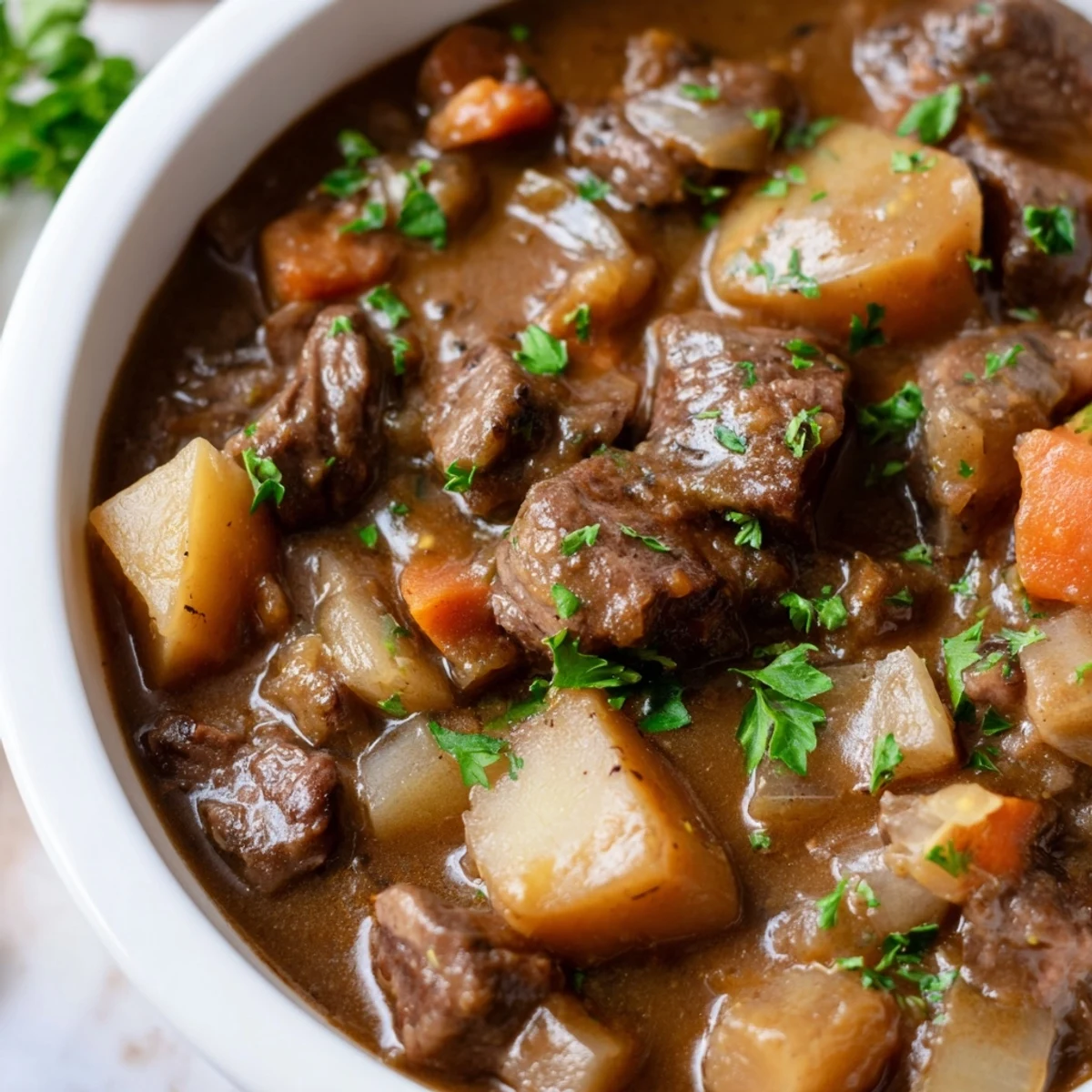
 I remember my son taking a second bowl without asking and the whole table going quiet for a moment—that kind of silence that means people are genuinely happy. This stew became the thing we reached for on rough weeks, when everyone needed reminding that home cooking is its own kind of medicine.
Why This Stew Works Without Alcohol
The non-alcoholic stout does the heavy lifting here, providing the malty sweetness and dark color that give traditional beef stews their signature depth. Worcestershire sauce adds that savory, slightly tangy note that makes you lean in for another spoonful, and the tomato paste rounds everything out with umami richness. It's proof that you don't need wine or beer to build serious flavor—you just need to understand what those ingredients bring to the table and find the right substitutes.
How to Make It Thicker or Thinner
By the time the potatoes finish cooking, some of them naturally break down and thicken the broth, which is actually the easiest way to achieve the right consistency. If you prefer it even thicker, mash a few more potato chunks into the liquid before serving, or let the uncovered pot simmer for an extra 10 minutes to reduce the broth. If it's thicker than you like, just add a splash more stock or water and stir it in—stews are forgiving that way.
Make-Ahead and Storage Tips
This stew tastes even better the next day once the flavors have settled and deepened, so don't hesitate to make it ahead. Store it in the refrigerator for up to 4 days, or freeze it for up to 3 months in a sealed container, leaving a little headroom for expansion. Reheat gently on the stovetop over medium heat, stirring occasionally and adding a splash of stock if it's thicker than you remember.
- Serve alongside crusty bread to soak up every drop of that magnificent broth.
- A fresh green salad cuts through the richness and makes the meal feel complete.
- Turnips can stand in for parsnips if that's what you have on hand.
 Save to Pinterest
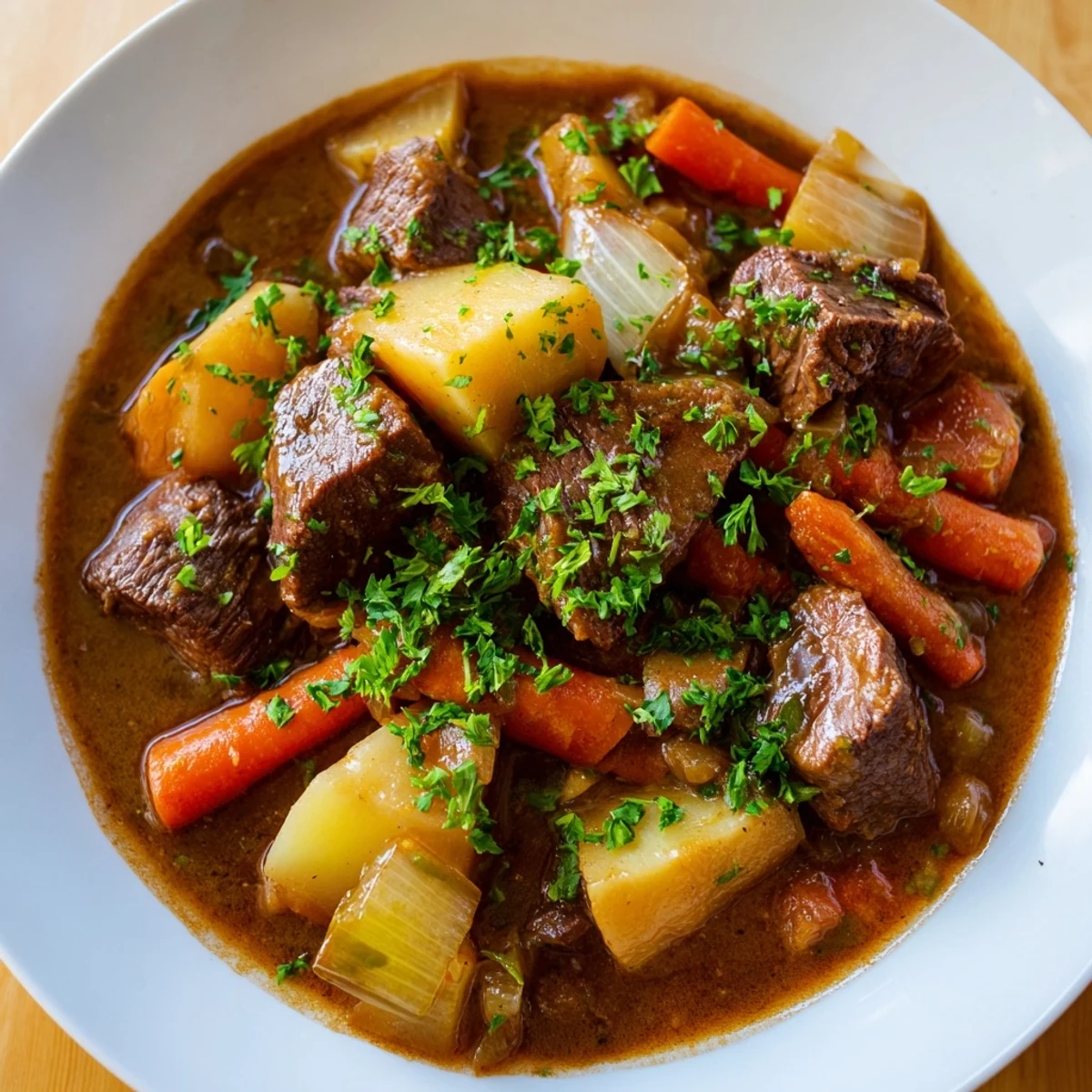
 This is the kind of stew that fills a house with warmth and makes people feel taken care of. Serve it with confidence, knowing that you've built something real from simple ingredients.
Your Recipe Questions
- → What cut of beef works best?
-
Use beef chuck or stewing beef cut into 1-inch cubes to ensure tender, flavorful results after slow cooking.
- → Can I substitute parsnips with another vegetable?
-
Yes, turnips or additional carrots make great alternatives, adding similar texture and earthiness.
- → How is richness achieved without alcohol?
-
Non-alcoholic stout or malt beverages provide maltiness and depth, complemented by beef stock and Worcestershire sauce.
- → What thickens the stew broth?
-
Flouring the beef cubes before browning helps thicken the stew naturally during cooking.
- → Is this dish suitable for dairy-free diets?
-
Yes, all ingredients avoid dairy, making it suitable for dairy-free preferences.