
 Save to Pinterest
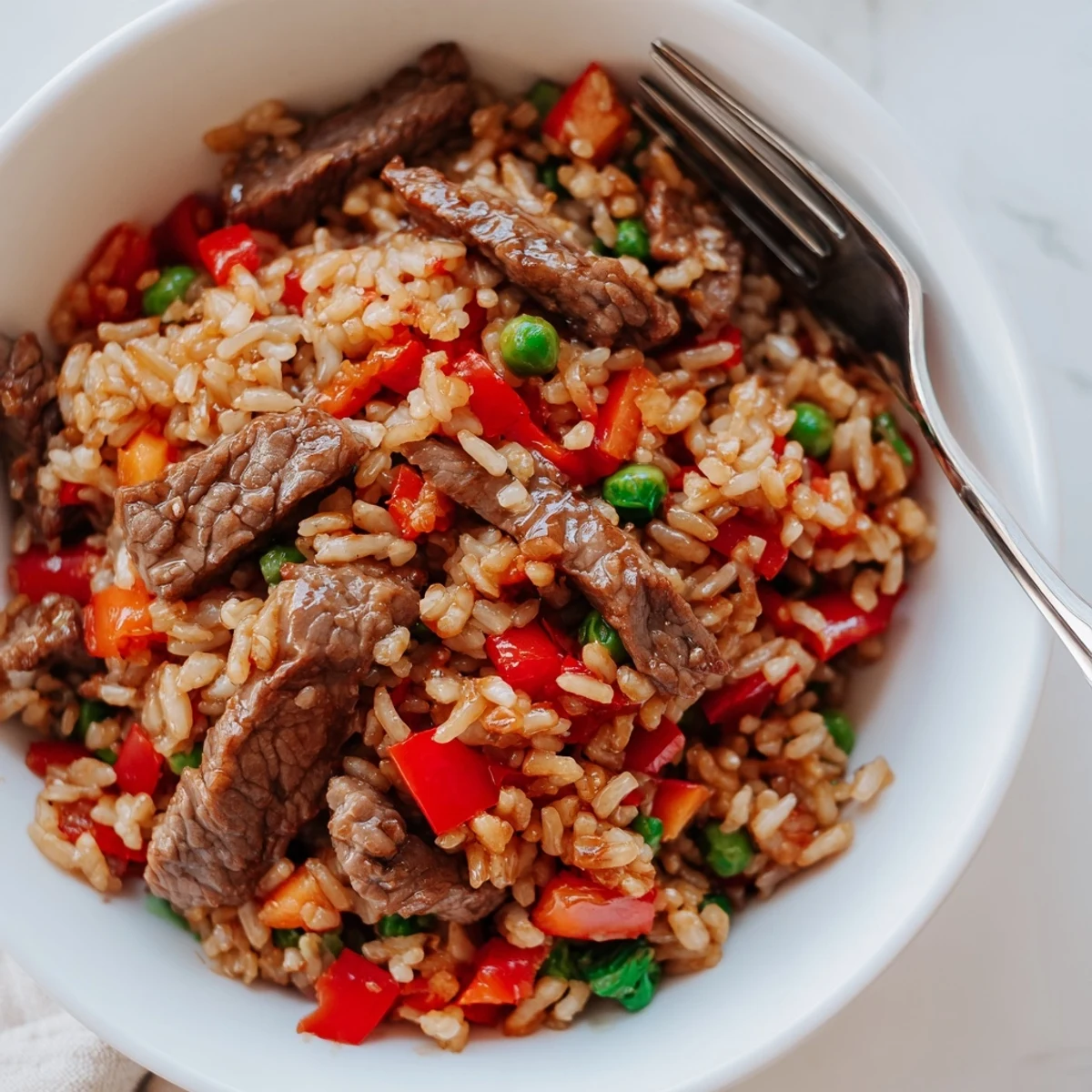
 This dish offers tender beef strips marinated in soy and sesame oil, stir-fried alongside crisp carrots, bell peppers, peas, and aromatic spring onions. Jasmine rice is added to absorb rich sauces like oyster and soy, creating a balanced and colorful meal. Quick to prep and easy to customize, it suits weeknight dinners or anytime you crave comforting Asian-inspired flavors.
The first time I made fried rice properly, I was standing in my tiny apartment kitchen at 11 PM on a weeknight, exhausted but hungry. I had some leftover rice in the fridge and a few sad vegetables that needed rescuing, so I threw together what I thought would be a mediocre dinner. But something about the sizzle of hot oil, the way the garlic hit the pan, and those strips of beef turning golden brown completely changed my mood. That dish taught me that the simplest meals, made with attention and heat, can feel like a small celebration.
I've made this for friends who swear they can't cook, and watching their faces when they taste it is honestly better than any dinner party compliment. There's something about serving fried rice from a hot wok that feels like you've done something impressive, even though you're really just tossing things together in the right order. It's become my go-to when I want to feed people well without spending hours in the kitchen.
Ingredients
- Beef sirloin or flank steak, 300g, thinly sliced: Thinner slices cook faster and stay more tender, so don't skip the cutting step even if it feels fussy.
- Soy sauce, 1 tbsp plus 2 tbsp: The first batch marinates the beef, the second seasons everything at the end, so keep them separate in your mind.
- Cornstarch, 1 tsp: This tiny amount creates a silky coating that helps the beef brown beautifully and stay juicy.
- Sesame oil, 1 tsp plus 1 tsp: The first goes into the marinade for depth, the second finishes the dish with a fragrant drizzle.
- Jasmine or long grain rice, 3 cups cooked: Day-old rice is essential because fresh rice clumps together no matter how hard you stir.
- Carrot and red bell pepper, diced: Cut them into similar small pieces so they cook evenly and look intentional on the plate.
- Green peas, 100g fresh or frozen: Frozen peas are genuinely better here because they stay whole and bright instead of turning mushy.
- Spring onions, 2 sliced: Keep white and green parts separate since you'll add them at different times for different effects.
- Garlic and ginger, minced: Freshly minced makes all the difference, releasing oils that bottled versions just can't match.
- Oyster sauce, 1 tbsp: This adds umami depth without making the dish taste fishy if you use a good quality brand.
- Vegetable oil, 2 tbsp: High heat cooking needs oil with a high smoke point, so skip the olive oil here.
Instructions
- Marinate the beef while you prep everything else:
- Mix the sliced beef with soy sauce, cornstarch, sesame oil, and black pepper in a bowl. Let it sit for 10 minutes while you dice your vegetables and mince your garlic and ginger, this gives the cornstarch time to coat each piece evenly.
- Get the wok screaming hot and sear the beef:
- Pour 1 tbsp oil into a large wok or skillet over high heat until it shimmers and almost smokes. Add the beef in a single layer and resist the urge to stir immediately, let it sit for a minute so it browns properly instead of steaming.
- Build your flavor base while the beef rests:
- Add the remaining 1 tbsp oil to the wok, then immediately add minced garlic, ginger, and the white parts of the spring onions, stirring constantly for about 30 seconds until the aroma is almost overwhelming. This is when your kitchen smells like you know what you're doing.
- Cook the vegetables until they're tender-crisp:
- Add diced carrot and bell pepper, stirring every few seconds for about 2 minutes so they soften slightly but keep their color and snap. Toss in the green peas and cook for another minute, then you should have a wok full of bright, colorful vegetables.
- Add the rice and break it up without crushing it:
- Dump in all 3 cups of rice and use a spatula to gently separate any clumps, stirring constantly for 2 to 3 minutes until everything is hot and the rice grains are coated with oil. You'll feel the weight shift and suddenly it feels less crowded in there.
- Return the beef and coat everything together:
- Put the beef back in the wok, then drizzle in the soy sauce, oyster sauce, and sesame oil, tossing everything for about 2 minutes so every grain of rice gets some sauce and heat. Taste it here and add white pepper if you like a subtle warmth without visible spice.
- Finish with the green parts of spring onions and serve immediately:
- Stir in the green parts of the spring onions at the very last moment so they stay fresh and slightly crisp instead of turning into little brown bits. Transfer to a plate or bowl while it's still steaming hot.
 Save to Pinterest
 I remember my mom calling while I was making this last month, and I could barely hear her over the wok because I was so focused on getting everything to cook at the right pace. By the time I hung up, the rice was done and somehow perfect, and I realized I'd finally figured out how to cook something instinctively instead of following every step like a checklist. That's when a recipe stops being instructions and becomes something you actually own.
Why Day-Old Rice Changes Everything
Fresh, warm rice is fluffy and moist, which sounds ideal until you're trying to stir-fry it and it turns into a sticky clump. Day-old rice has dried out just enough that each grain stays separate and actually absorbs the oil and sauce instead of falling apart. If you're caught without leftover rice, spread fresh-cooked rice on a baking sheet and let it cool completely, then refrigerate it for at least a few hours, this mimics the effect of day-old rice well enough to save your dinner.
Marinating Makes the Beef Tender Without Any Fuss
That small step of combining the beef with soy sauce, cornstarch, and sesame oil isn't just flavor, it's actually protecting the beef from getting tough. The cornstarch creates a light coating that seals in moisture, and the soy sauce adds salt that helps the muscle fibers retain water, so when you sear it over high heat, the outside browns beautifully while the inside stays juicy. I learned this by accident once when I skipped the marinating step and ended up with beef that was tough no matter how much I fussed with it, so now I'm religious about it.
How to Know When Everything's Ready to Eat
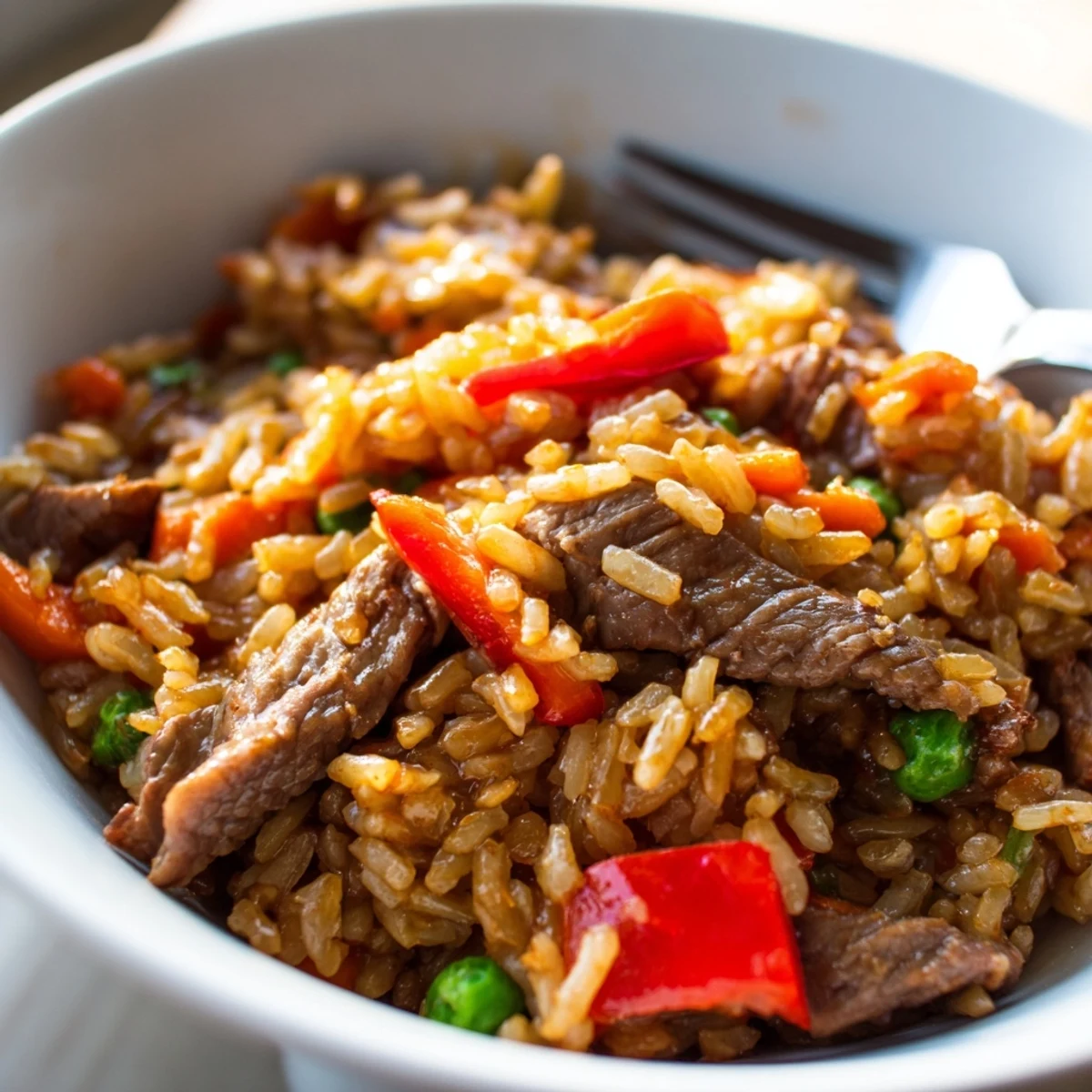
The rice should be heated all the way through, and you should smell that toasted sesame oil starting to sing when it hits the hot rice. Every grain should have a light sheen from the oil and sauce, and nothing should look dry or stuck together. If you're second-guessing yourself, taste a spoonful straight from the wok, it should taste balanced and savory without being oversalted, and if it needs more seasoning, a few more drops of soy sauce or oyster sauce finish it right.
- The whole process from marinating to eating should take less than 40 minutes, so have everything prepped and within arm's reach before you start cooking.
- If you have leftover fried rice, it keeps beautifully in the fridge for 3 to 4 days and reheats perfectly in a hot wok with a splash of water.
- This dish is endlessly flexible, so once you've made it once, try swapping beef for shrimp, chicken, or tofu and discovering which version becomes your favorite.
 Save to Pinterest
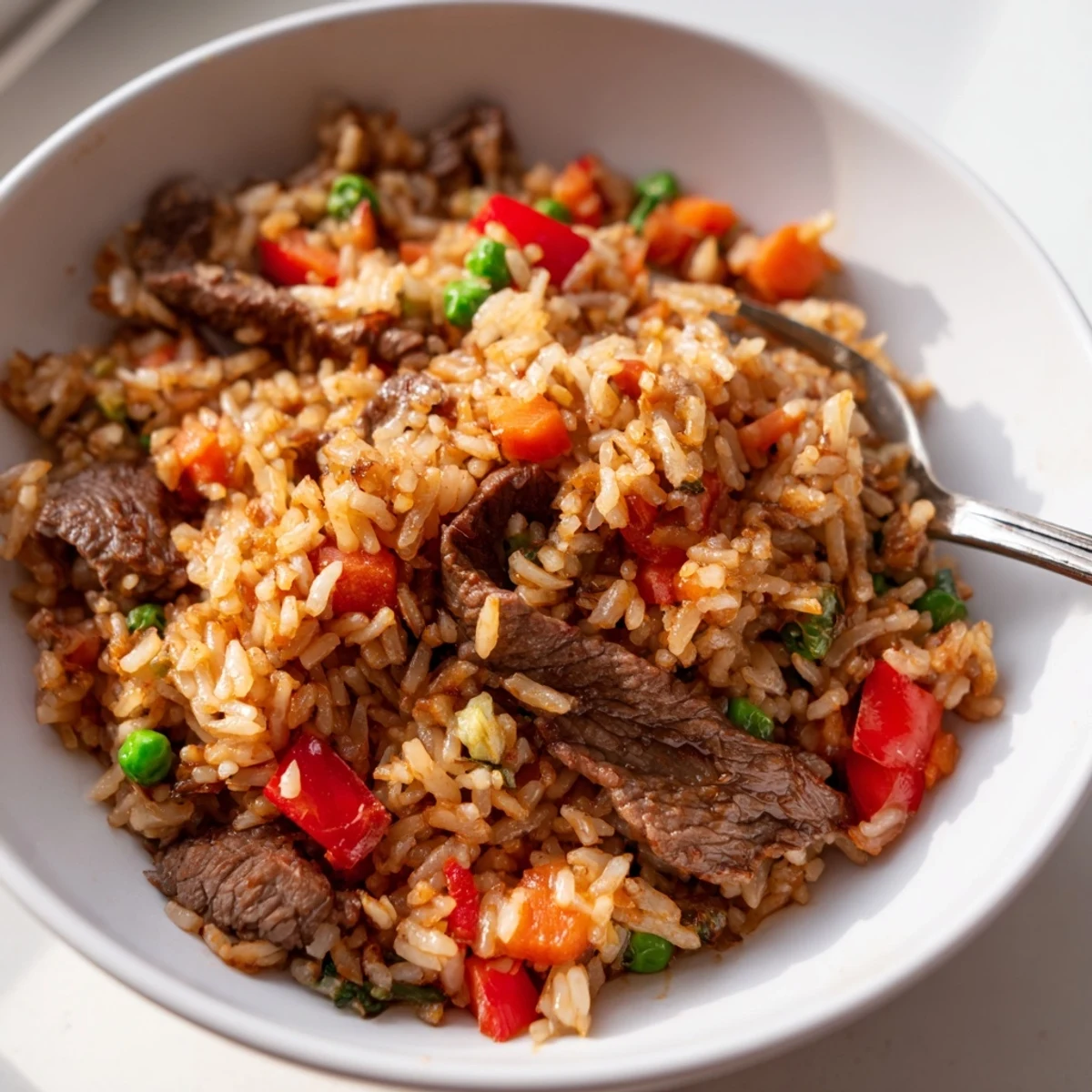
 This dish has become something I make when I want to feel accomplished but don't want to stress, which means it gets made a lot. Every time I make it, I discover something small like cooking the garlic and ginger together makes them sweeter, or that pushing the rice around less often actually makes it cook better, and those little discoveries are what keep cooking interesting.
Your Recipe Questions
- → What type of beef works best for this dish?
-
Choose tender cuts like sirloin or flank steak sliced thin for quick, even cooking and a tender texture.
- → Can I use fresh rice for this dish?
-
Day-old rice is preferred as it prevents clumping and yields a better texture when stir-fried.
- → How can I make the dish spicier?
-
Add chopped chili peppers or a dash of chili sauce while stir-frying for a spicy kick.
- → What vegetables complement the beef and rice?
-
Carrots, bell peppers, green peas, and spring onions add color, crunch, and freshness to the dish.
- → Is it possible to substitute the beef in this stir-fry?
-
Yes, chicken, shrimp, or tofu can be used instead, adjusting cooking times accordingly.