
 Save to Pinterest
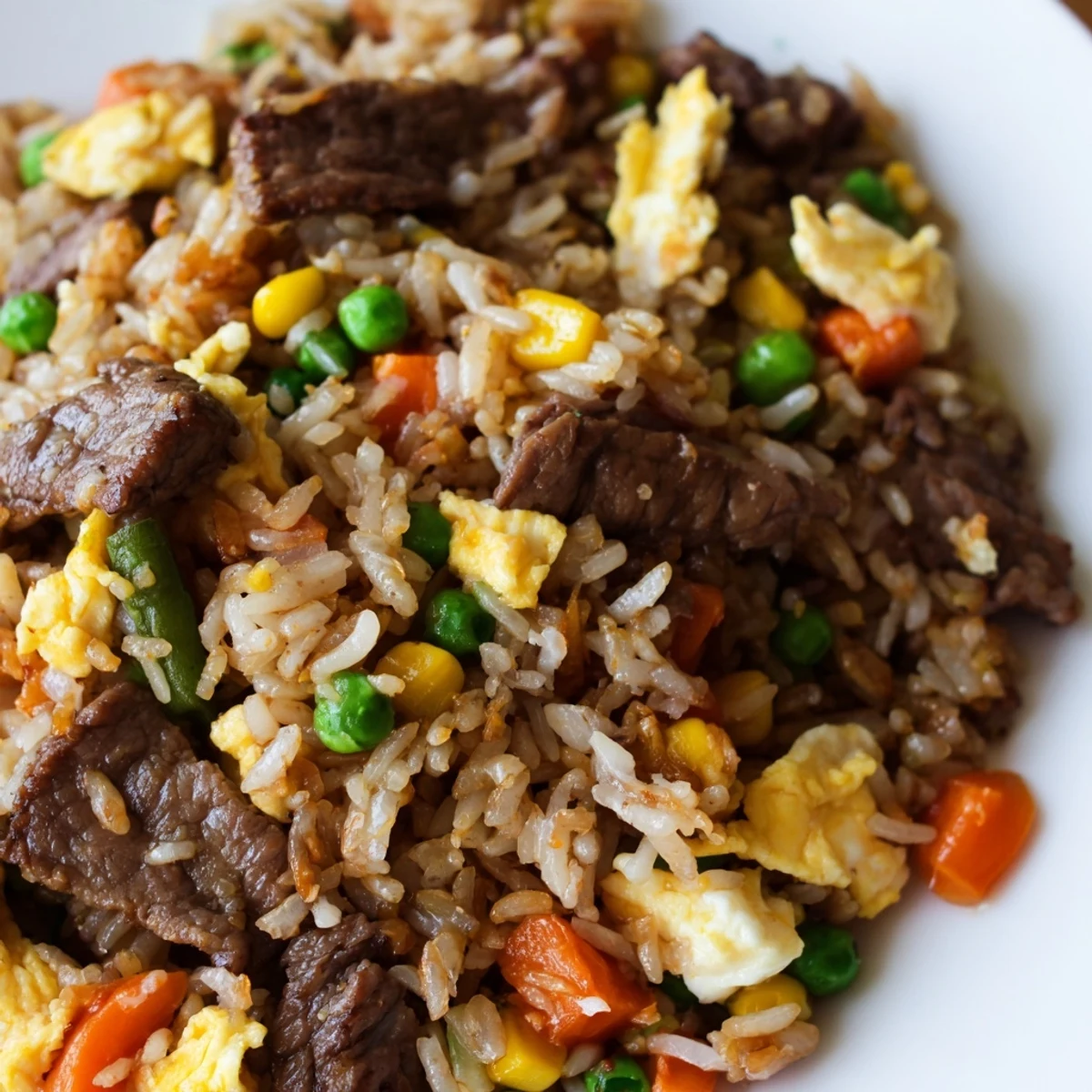
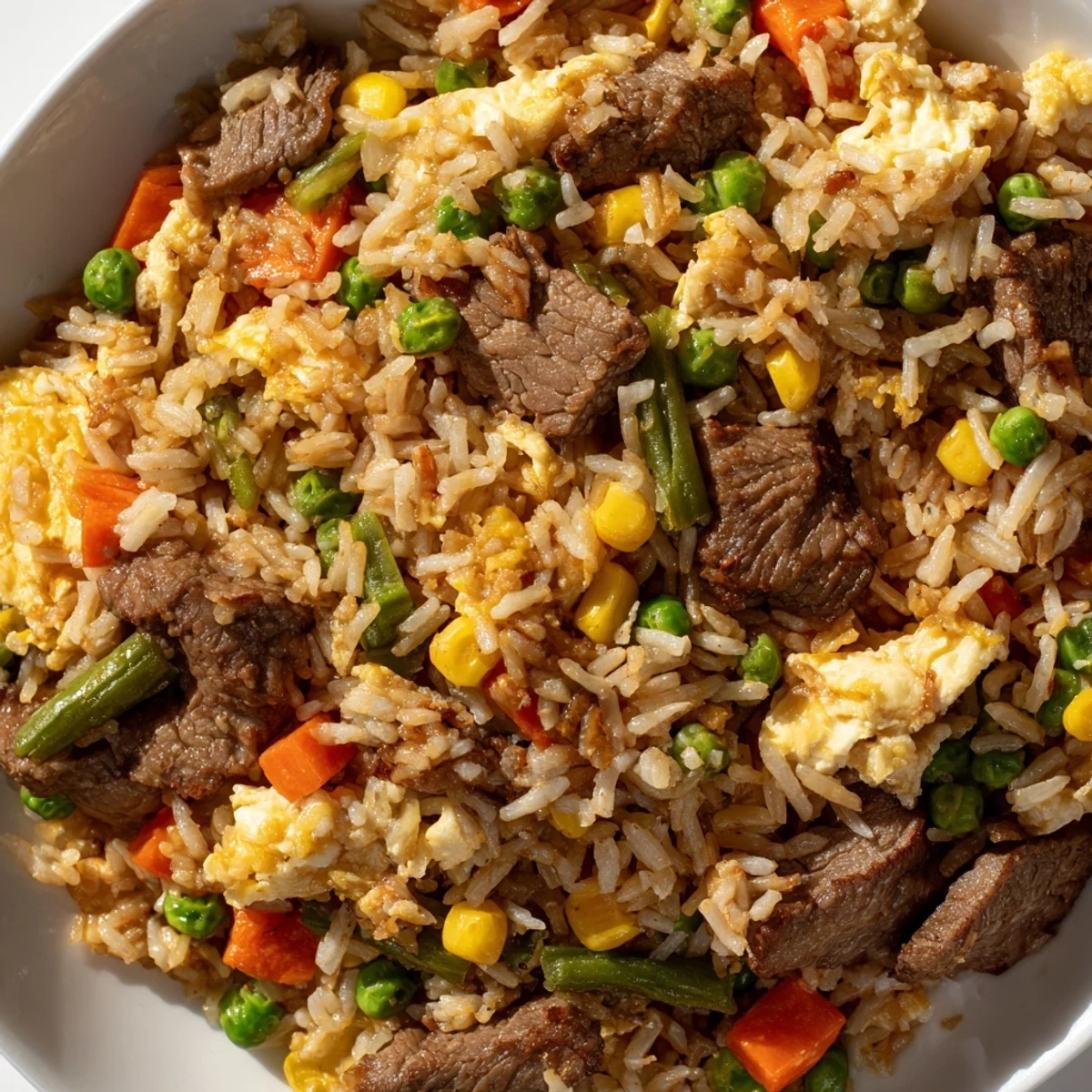
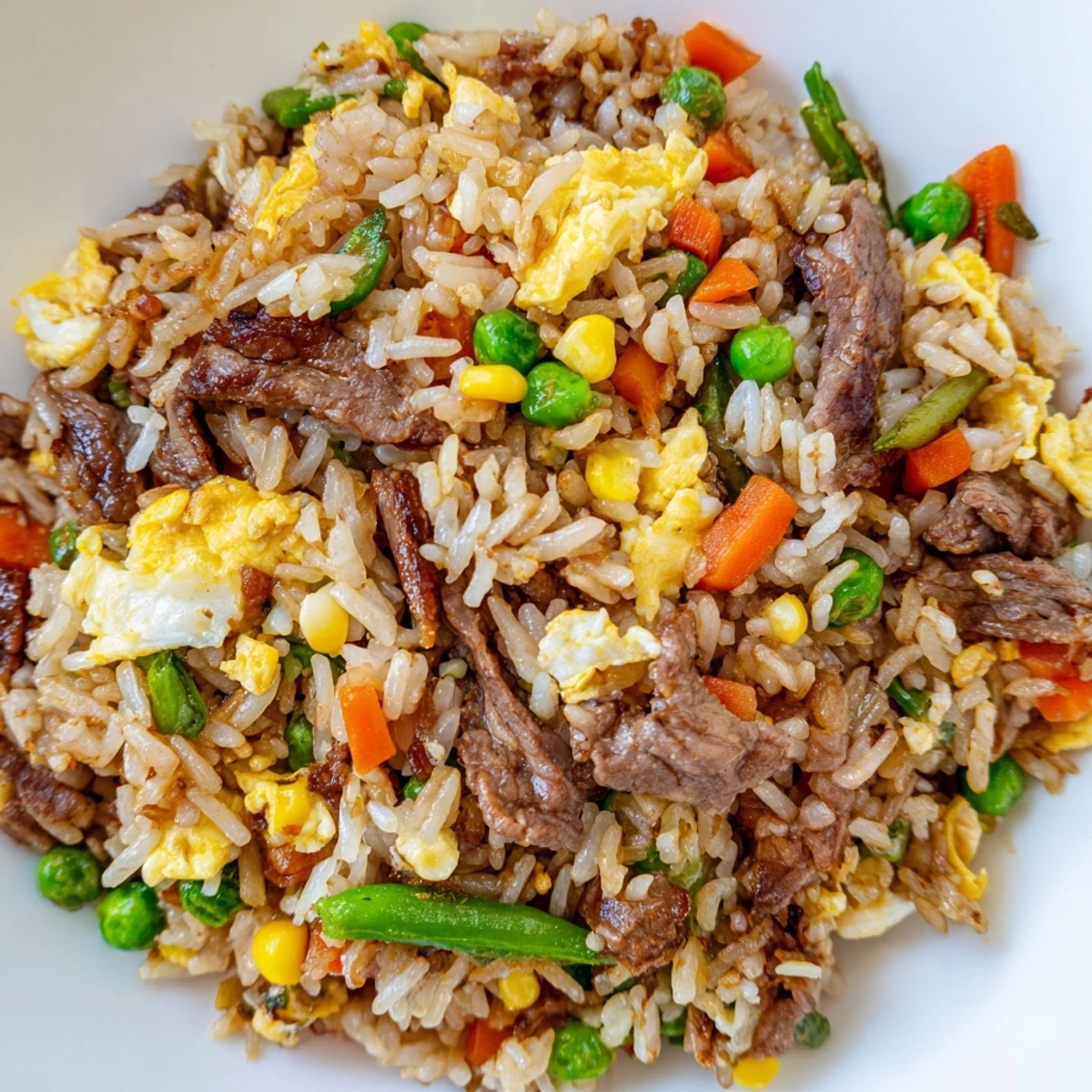
 This dish combines marinated beef, frozen mixed vegetables, and scrambled eggs in a savory wok-tossed medley. Using day-old rice ensures the perfect texture, absorbing the soy and oyster sauce blend for a satisfying Asian-inspired meal ready in 30 minutes.
There's something almost meditative about the sound of a hot wok, the way it demands your full attention and rewards it instantly. I discovered this beef fried rice on a random Tuesday when I had leftover rice and a craving for something that felt restaurant-quality but could happen in my own kitchen. The first time I nailed it, the beef stayed tender, the eggs stayed fluffy, and everything came together in about the time it takes to pour a drink. Now it's become my go-to when I want to cook something that tastes impressive but feels effortless.
I made this for my sister one Thursday night when she showed up unannounced, hungry, and with about twenty minutes before she had to leave. Watching her face light up when she realized this wasn't just reheated leftovers but something intentional and delicious felt like I'd unlocked a secret. She's made it three times since then, and it's become her answer to the question "what do you want for dinner?"
Ingredients
- Beef sirloin or flank steak: Slice it thin against the grain so it stays tender and cooks in seconds—thick pieces turn tough in a hot wok.
- Soy sauce: Use it twice: once in the marinade for the beef, again in the final seasoning layer for depth.
- Cornstarch: This tiny amount coats the beef and helps it brown beautifully while staying juicy.
- Day-old jasmine rice: Cold rice won't clump or turn mushy—if you only have fresh rice, spread it on a plate and chill it for 15 minutes.
- Frozen mixed vegetables: No chopping, no waste, and they thaw perfectly in the hot pan without turning soggy.
- Oyster sauce and sesame oil: These two create that umami depth that makes people ask for the recipe.
- Eggs: Beat them with a splash of milk so they scramble into fluffy clouds instead of tight curds.
- Green onions: Add them at the very end so they stay bright and fresh, not wilted into nothing.
Instructions
- Marinate your beef:
- Toss the sliced beef with soy sauce, cornstarch, and black pepper in a bowl and let it sit while you prep everything else. This 10-minute rest is what keeps it tender, not chewy.
- Get your eggs ready:
- Crack them into a bowl with milk and a pinch of salt, then beat them until they're pale and slightly foamy. This makes them fluff up in the wok instead of turning into rubber.
- Sear the beef hard and fast:
- Heat oil in your wok over medium-high heat until it shimmers, then add the beef in a single layer. Don't move it for the first minute—let it brown, then toss it and pull it out after 2 minutes total. It'll keep cooking with the rice later.
- Build flavor with aromatics:
- In the same wok, add a bit more oil, then sauté the onion and garlic until your kitchen smells like a restaurant. Toss in the frozen vegetables and stir-fry for 2-3 minutes until they're heated through and starting to soften.
- Scramble eggs on the side:
- Push the vegetables to the edge of the wok, pour in the egg mixture, and let it sit for 10 seconds before gently stirring. You want soft, curdy bits, not a thin scramble.
- Bring the rice into the party:
- Add all the rice to the wok and stir constantly, breaking up any clumps with your spatula. The rice will gradually coat with oil and heat through, and that's when the magic happens.
- Season and finish:
- Return the beef to the pan, add soy sauce, oyster sauce, sesame oil, and a pinch of sugar if you like. Toss everything together for 2-3 minutes until the flavors bind and the whole dish tastes unified.
- Scatter and serve:
- Kill the heat, stir in the green onions so they stay fresh and bright, then serve immediately while the wok heat is still lifting steam from the rice.
 Save to Pinterest
 The moment I realized this dish was more than just dinner was when my neighbor smelled it from the hallway and knocked on my door asking what I was cooking. I offered her a bowl, and we sat at my kitchen table talking for an hour while the food got cold—but that's the thing about fried rice, it's still good even when it's not steaming. Somehow a simple weeknight meal turned into a moment of connection.
The Wok Makes All the Difference
A wok isn't just a fancy tool—it's shaped specifically to let you toss and move everything constantly, which means faster cooking and more even browning. If you don't have one, a large non-stick skillet works, but you'll need to stir more deliberately and give yourself a bit longer. The curved sides of a wok let the heat move up and around whatever you're cooking, which is why restaurant fried rice tastes different.
Rice Temperature and Texture Matter
Warm rice is the enemy of fried rice because it's already full of moisture and humidity. When you add hot rice to a hot wok, you're not frying it—you're steaming it, and the grains stick together into a clumpy, mushy mess. Cold rice, on the other hand, has that slight crust on the outside from sitting in the fridge, and when it hits the hot oil, it separates into individual grains that toast and crisp up. This single detail separates homemade fried rice that tastes like takeout from fried rice that tastes like a mistake.
Ways to Make It Your Own
Fried rice is endlessly flexible, and that's part of why I keep coming back to it. You can swap the beef for chicken, shrimp, pork, or skip meat entirely and load it with extra vegetables or tofu. The technique stays the same—you're just changing the protein and letting the seasonings do the rest. Some nights I add white pepper, other times a shake of chili flakes, and once I threw in some leftover roasted cashews and it became something entirely new.
- Try white pepper instead of black for a different heat and earthiness that plays beautifully with sesame oil.
- Add a beaten egg or two as a final stir-in if you want extra richness and a silky texture throughout.
- Toss in cashews, peanuts, or pumpkin seeds at the very end for crunch and a hint of nutty sweetness.
 Save to Pinterest
 This dish reminds me that some of the best meals are built from things you already have sitting around—yesterday's rice, whatever vegetables fit in your freezer, a couple of eggs. There's something deeply satisfying about turning simple leftovers into something that tastes intentional and alive.
Your Recipe Questions
- → What type of rice works best?
-
Use day-old jasmine or long-grain rice for a fluffy texture that prevents the dish from becoming mushy during high-heat stir-frying.
- → Can I use fresh beef instead of marinated?
-
Yes, slice fresh sirloin or flank steak thinly against the grain and marinate it in soy sauce and cornstarch to ensure tenderness.
- → How can I add more flavor?
-
Increase the savory depth by adding a dash of white pepper, chili flakes for heat, or a drizzle of extra sesame oil right before serving.
- → Is it necessary to use frozen vegetables?
-
No, fresh vegetables like bell peppers, broccoli, or snap peas can be used; just adjust the cooking time to ensure they are tender-crisp.
- → Can I make this dish vegetarian?
-
Substitute the beef with firm tofu or extra vegetables, and replace the oyster sauce with a vegetarian mushroom sauce or soy sauce.