
 Save to Pinterest
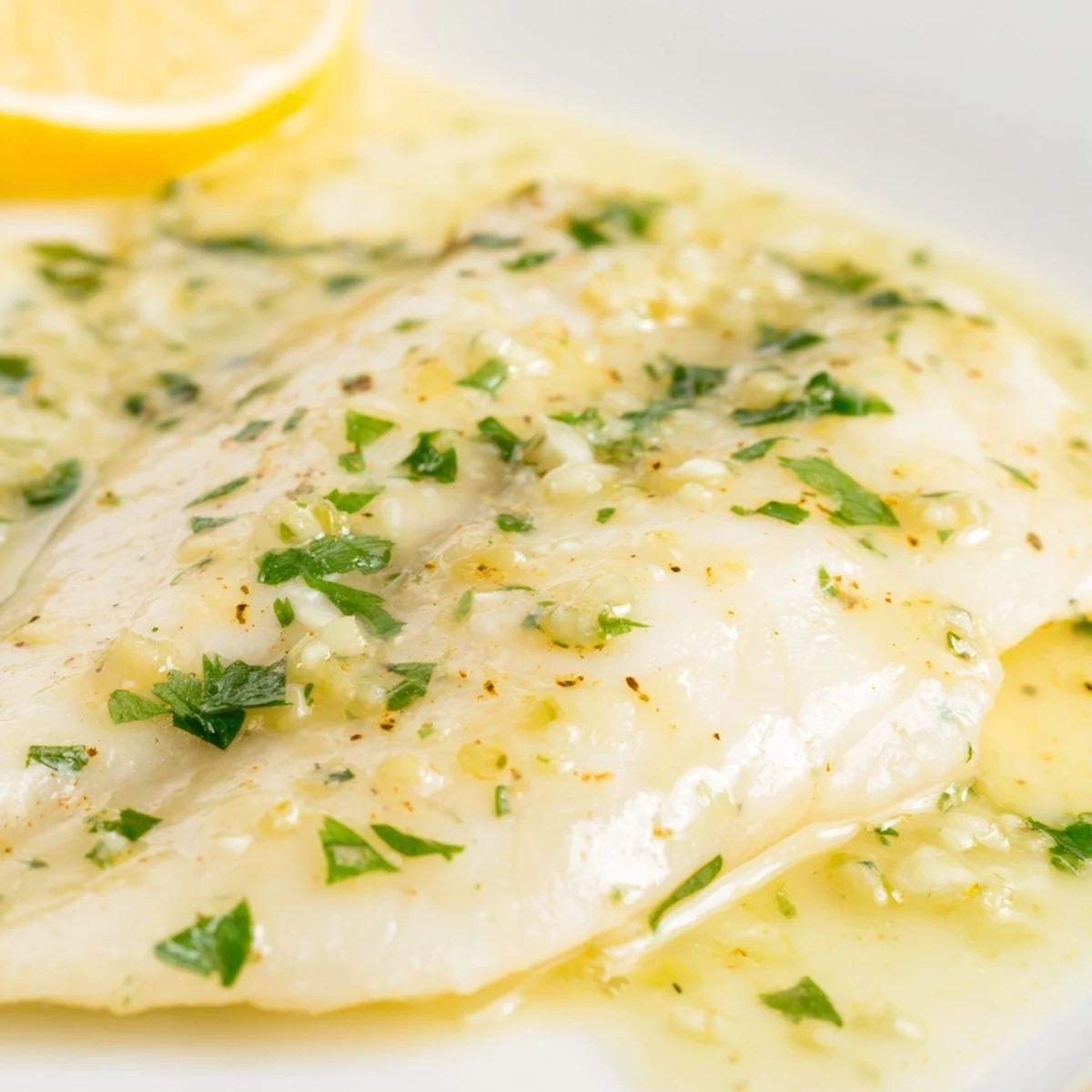
 This dish features tender tilapia fillets seasoned with garlic and fresh lemon juice, then baked with melted butter to create a moist, flavorful finish. The lemon zest and parsley add brightness, while a simple bake in the oven makes it an ideal quick yet elegant meal option. Complement with steamed vegetables or rice for a balanced dinner.
Preparation requires minimal time and ingredients, using basic tools like a baking dish and whisk. Garnishing with lemon slices and parsley enhances the visual appeal and freshness. The flavor balance highlights the mild fish and rich butter sauce, making it satisfying and easy to prepare.
There's something about a Tuesday night when you open the fridge and find fresh tilapia that makes everything feel possible. I'd been standing in the kitchen listening to the rain outside, knowing I had maybe thirty minutes to put dinner together, when I realized the best meals often come together in moments of necessity rather than planning. That first time I made this, I was honestly just looking for something light after a heavy weekend, and what emerged was this golden, buttery dish that felt far more impressive than the ten minutes of actual work it required. My partner walked in halfway through cooking and the smell alone made the whole evening feel intentional.
I made this for my mom last spring when she was going through a phase of avoiding carbs, and watching her face when she tasted how flavorful it was without bread or pasta beside it completely shifted something. She asked for the recipe immediately, then called me three days later to say she'd made it for her book club friends and it got genuine compliments. Those moments stick with you more than you'd expect—when food becomes a small bridge between people.
Ingredients
- Tilapia fillets (4, about 150g each): Fresh or thawed works equally well, though I find thawed fish from quality sources actually has better texture than the sad stuff sitting in grocery store cases. The mild flavor means every other ingredient gets to shine.
- Unsalted butter (4 tablespoons, melted): This is worth buying actual good butter for—the kind where you can taste the cream. Salted butter will throw off your seasoning balance and honestly diminishes the whole dish.
- Garlic (3 cloves, minced): Don't use the pre-minced stuff in a jar; the difference is real and it takes thirty seconds with a knife. The fresher garlic develops almost a sweet note when baked gently with butter.
- Fresh lemon juice (2 tablespoons) and zest (1 teaspoon): Bottled juice tastes like sadness here because this sauce is so delicate; fresh lemon is non-negotiable. The zest adds brightness that catches you by surprise on the second bite.
- Fresh parsley (1 tablespoon, chopped): This isn't decoration—it's the finishing note that makes the fish feel complete rather than one-dimensional.
- Salt and pepper: Start with what the recipe says, then taste the sauce before pouring and adjust honestly; everyone's palate is different and trust yourself.
- Olive oil (1 tablespoon): A light coating prevents sticking and helps the fish cook evenly from all angles.
Instructions
- Get Your Oven Ready:
- Preheat to 200°C (400°F) and lightly grease your baking dish while it heats up. This gives you a moment to gather everything else without rushing through the actual cooking.
- Prepare the Fish:
- Pat the fillets completely dry with paper towels—this is the moment that actually matters for texture. Arrange them in a single layer and brush both sides gently with olive oil, being careful not to break the delicate flesh.
- Make the Sauce:
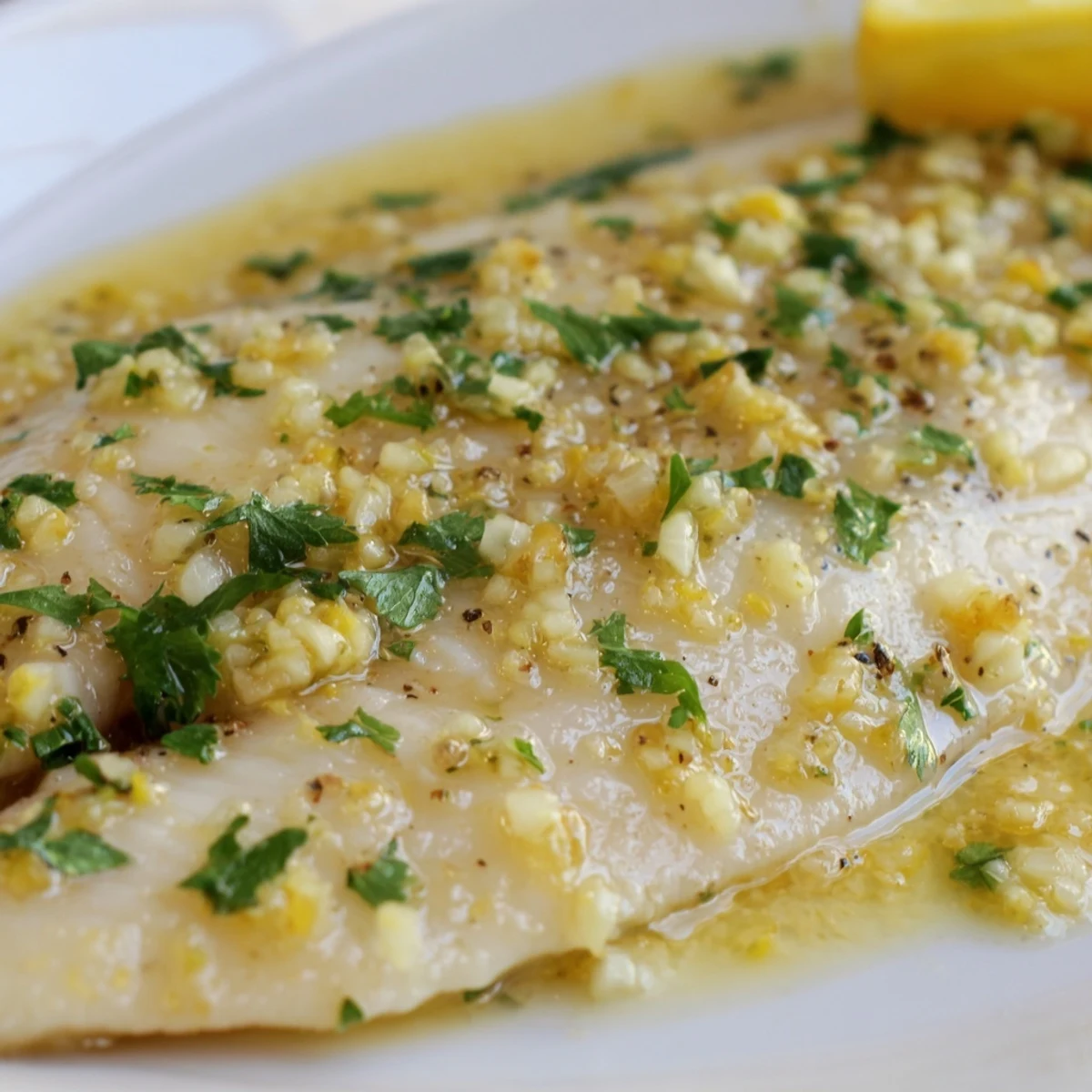
- Whisk together melted butter, minced garlic, lemon juice, zest, parsley, salt, and pepper in a small bowl until it looks unified and glossy. This is the heart of the dish, so take a few seconds to make sure everything is actually combined.
- Bring It Together:
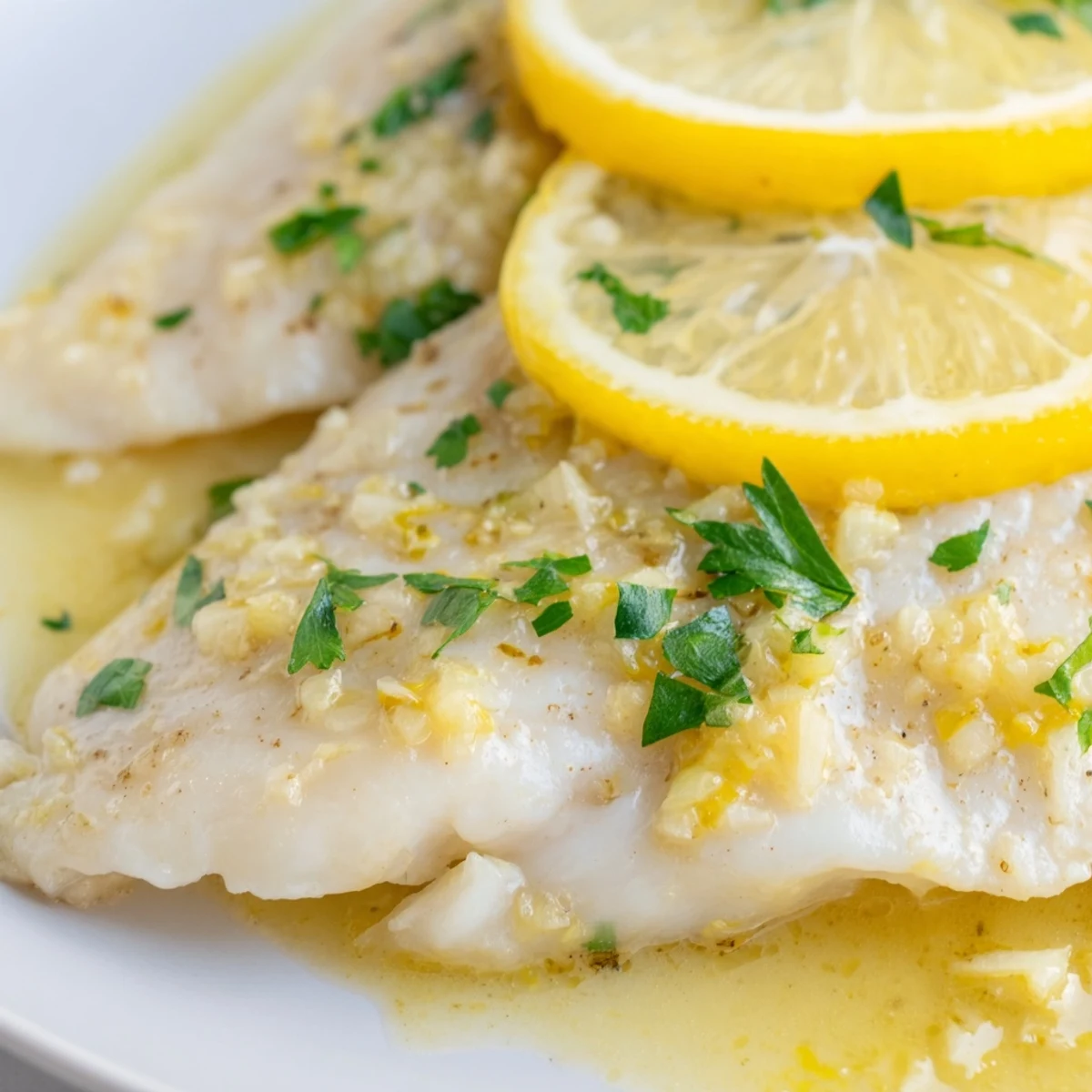
- Pour the sauce evenly over each fillet, watching as the butter pools around the fish and the garlic settles into the crevices. Top each one with a thin lemon slice, which does something subtle but real to the flavor as it bakes.
- Bake Until Golden:
- Bake for 15-20 minutes—the fish is done when it flakes easily with a fork and turns opaque throughout. Set a timer so you're not checking every two minutes; trust the process and you'll nail it.
- Finish and Serve:
- Pull it from the oven while everything is still steaming, scatter a bit more parsley if you want, and get it to the table immediately. The moment between oven and plate is when this tastes its absolute best.
 Save to Pinterest
 A few months back, my neighbor knocked on the door as I was finishing this dish and I ended up sending her home with an extra plate because she looked stressed about dinner plans falling through. Watching someone's shoulders actually relax over something you made is a feeling that has nothing to do with cooking technique and everything to do with why we feed people.
Choosing Your Fish Wisely
Tilapia gets a bad reputation sometimes, but when you're buying it fresh or from a quality source and treating it well, it becomes this perfect canvas for butter and lemon. The key is honestly just being honest with yourself about what you're getting—if it smells off in the store, it will smell off in your kitchen. I've substituted cod and haddock in this recipe and they work beautifully too, though they'll cook slightly longer depending on thickness. The cooking time matters more than brand loyalty, so focus on how the fish looks and feels rather than getting attached to one specific type.
Building Flavors That Sing Together
This dish works because nothing competes for attention—butter grounds the garlic, lemon brightens everything, and parsley ties it together without being aggressive about it. The technique here is actually restraint, which is harder to teach than complicated skills. I learned this when I first tried adding capers or olives out of habit and realized it muddied the whole thing; sometimes the most sophisticated cooking is knowing when to stop adding things. This is the kind of dish that reminds you that elegance isn't about complexity.
Serving and Pairing Ideas
The beauty of this fish is that it pairs as easily with something simple as rice or crusty bread as it does with roasted vegetables or a fresh salad. I tend to serve it with whatever vegetables I have that need cooking—spring asparagus in April, green beans in summer, broccoli in winter—because the sauce is generous enough to coat whatever else is on the plate. A crisp white wine absolutely elevates this, though honestly it's wonderful with just cold water and good conversation.
- If you want something starchy, try it over orzo or new potatoes tossed in the extra sauce from the pan.
- Steam your vegetables separately so they don't get soggy from the fish's moisture, then plate everything together and pour sauce over the whole situation.
- Save every drop of the pan liquid—it's liquid gold on whatever else you're serving, so don't waste it on the sink.
 Save to Pinterest
 This recipe became my go-to when I realized that the most meaningful meals don't require proving anything—they just need fresh ingredients treated with respect and a willingness to let simplicity do its work. I hope it becomes one of those dishes you make when you want to feel capable and generous at the same time.
Your Recipe Questions
- → How do I ensure the tilapia fillets stay moist?
-
Coating the fillets with lemon butter and baking them at a moderate temperature helps retain moisture and prevents drying out.
- → Can I use other types of fish?
-
Yes, mild white fish like cod or haddock can be substituted and will work well with the lemon butter sauce.
- → What side dishes pair well with this dish?
-
Steamed vegetables, rice, or a fresh green salad complement the flavors nicely and provide a balanced meal.
- → Is it possible to make this dairy-free?
-
Substitute the butter with olive oil or a plant-based alternative to make the dish suitable for dairy-free diets.
- → What cooking temperature and time should I use?
-
Bake at 200°C (400°F) for 15-20 minutes, until the fish flakes easily and is opaque throughout.