
 Save to Pinterest
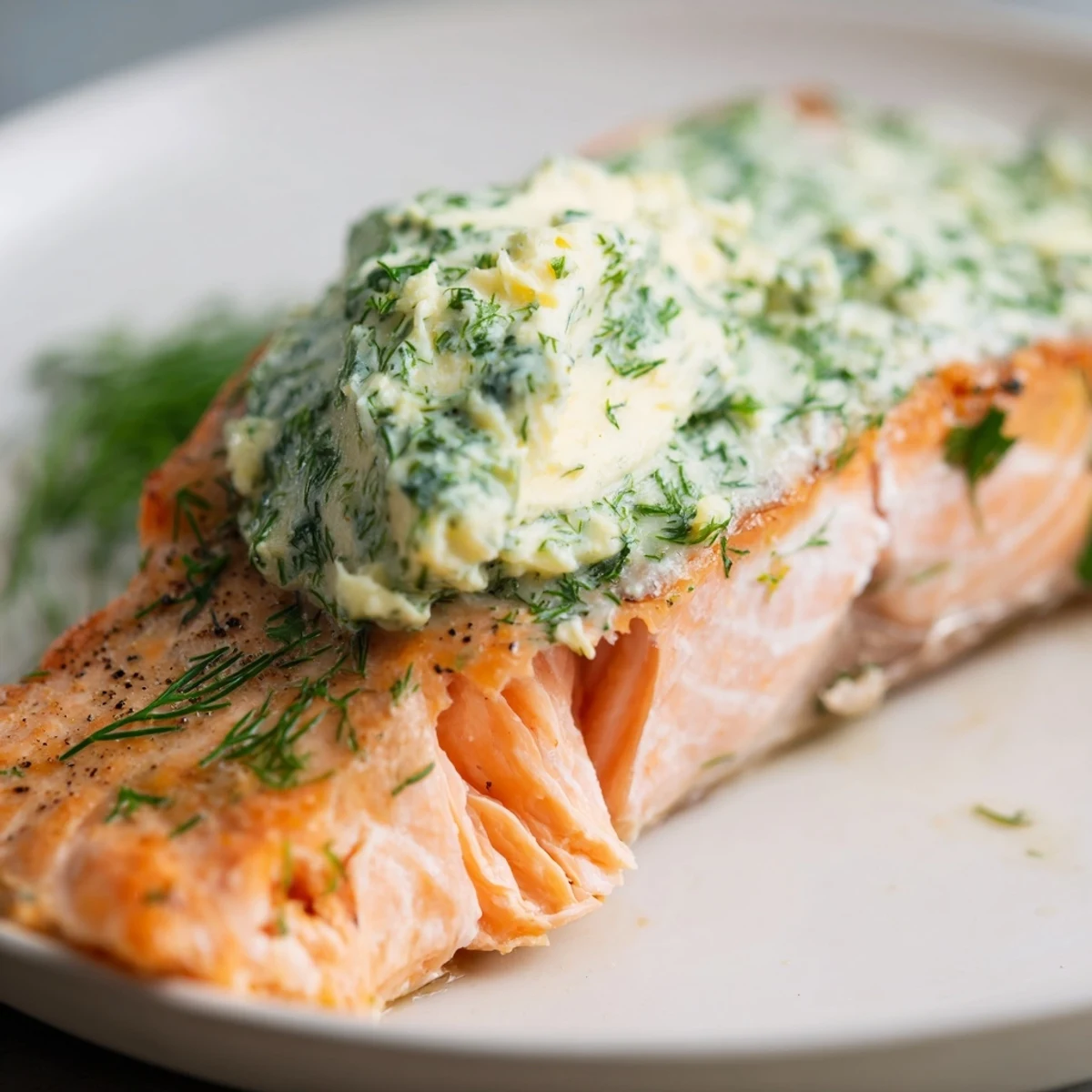
 Experience tender, flaky salmon fillets baked to perfection and topped with a rich, aromatic dill butter. This effortless dish combines fresh lemon, garlic, and dill to enhance the natural flavors of the fish, creating an elegant meal that comes together in under 30 minutes. Perfect for a quick yet satisfying main course that highlights fresh ingredients and simple techniques.
My neighbor knocked on the door one spring evening with a beautiful fillet of wild salmon she'd picked up at the market, asking if I knew what to do with it. I didn't have much in the pantry—just butter, dill, and a lemon—but something about the simplicity felt right. Twenty minutes later, we were sitting at my kitchen table, forks in hand, watching that golden butter pool into every flaky bite, and I realized that sometimes the best meals come from constraints, not complexity.
I made this for a small dinner party last year, and someone asked for the recipe before dessert even arrived—that's when I knew it was special. There's something about baked salmon that feels both comforting and fancy at the same time, like you're treating yourself without pretense.
Ingredients
- Salmon fillets: Look for ones that are evenly thick so they cook at the same rate; if they're uneven, you can gently fold the thinner end under to even things out.
- Olive oil: A good quality one makes a difference here since there's nothing to hide behind—use something you'd actually taste on salad.
- Kosher salt and black pepper: Fresh ground pepper is non-negotiable; pre-ground tastes like dust compared to the real thing.
- Lemon: Don't skip the slices on top; they protect the fish from drying out and infuse it with brightness.
- Unsalted butter: Softened butter is key for the dill mixture—cold butter won't combine smoothly with the herbs.
- Fresh dill: This is where the magic lives; dried dill tastes like sadness compared to fresh, so don't compromise here.
- Lemon zest: The oils in the zest add a punch that juice alone can't deliver.
- Garlic: One small clove is enough; you want the dill to shine, not get bullied by garlic.
Instructions
- Get your oven singing:
- Preheat to 400°F and line your baking sheet with parchment paper—this prevents sticking and makes cleanup feel like an act of self-care.
- Dry your salmon:
- Pat those fillets completely dry with paper towels; any moisture is the enemy of a nice, light texture. Wet fish steams instead of bakes.
- Lay them out and dress simply:
- Place fillets skin-side down, drizzle with olive oil, and season with salt and pepper—think of it as a whisper of flavor, not a shout.
- Top with lemon and bake:
- Lay a lemon slice on each fillet and slide everything into the oven for 12 to 15 minutes. You'll know it's done when it flakes easily with a fork; overcooked salmon tastes like disappointment.
- Make your butter while fish cooks:
- Mash softened butter with fresh dill, lemon zest, minced garlic, and salt in a small bowl until everything is evenly distributed. This only takes a few minutes and the timing works out perfectly.
- Crown with butter immediately:
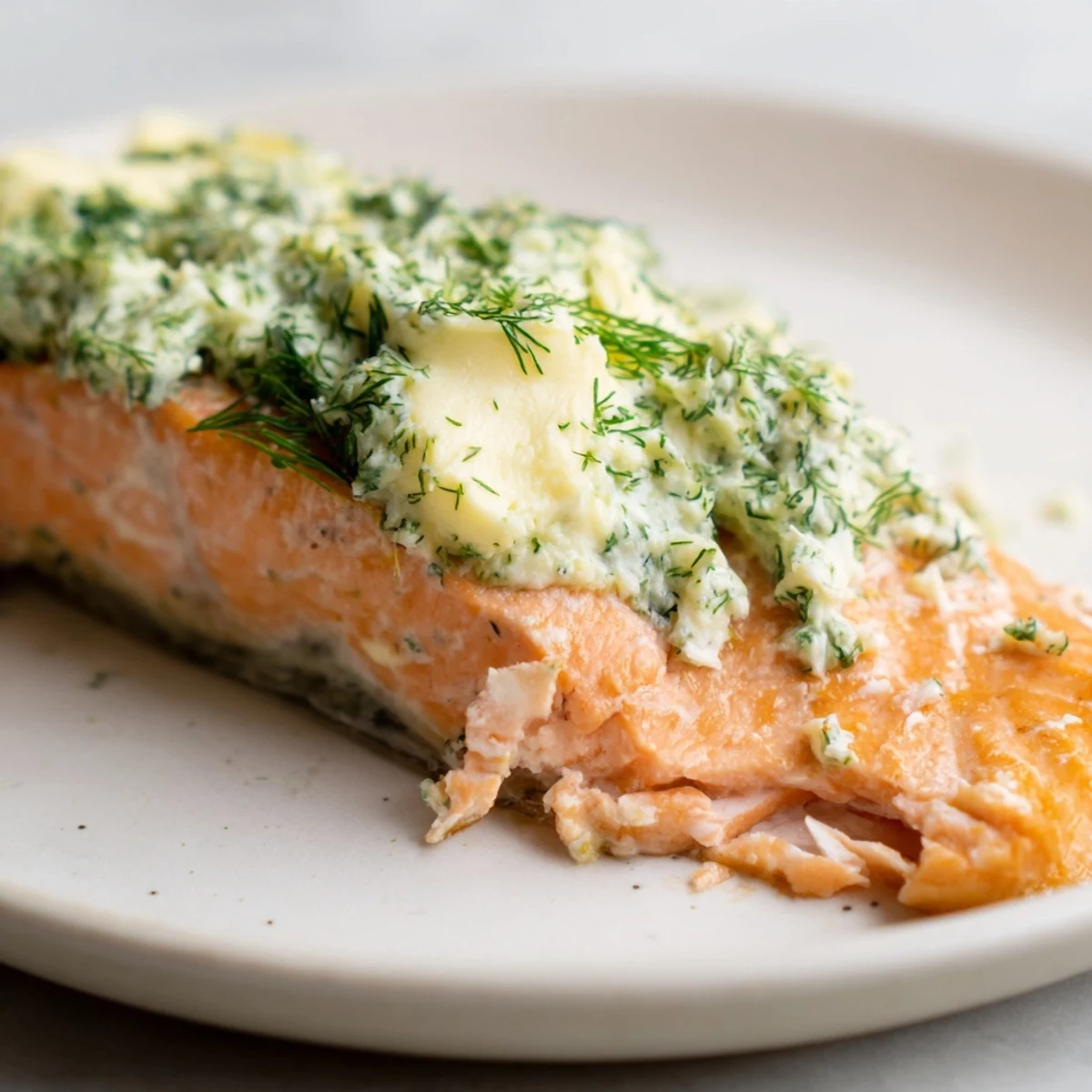
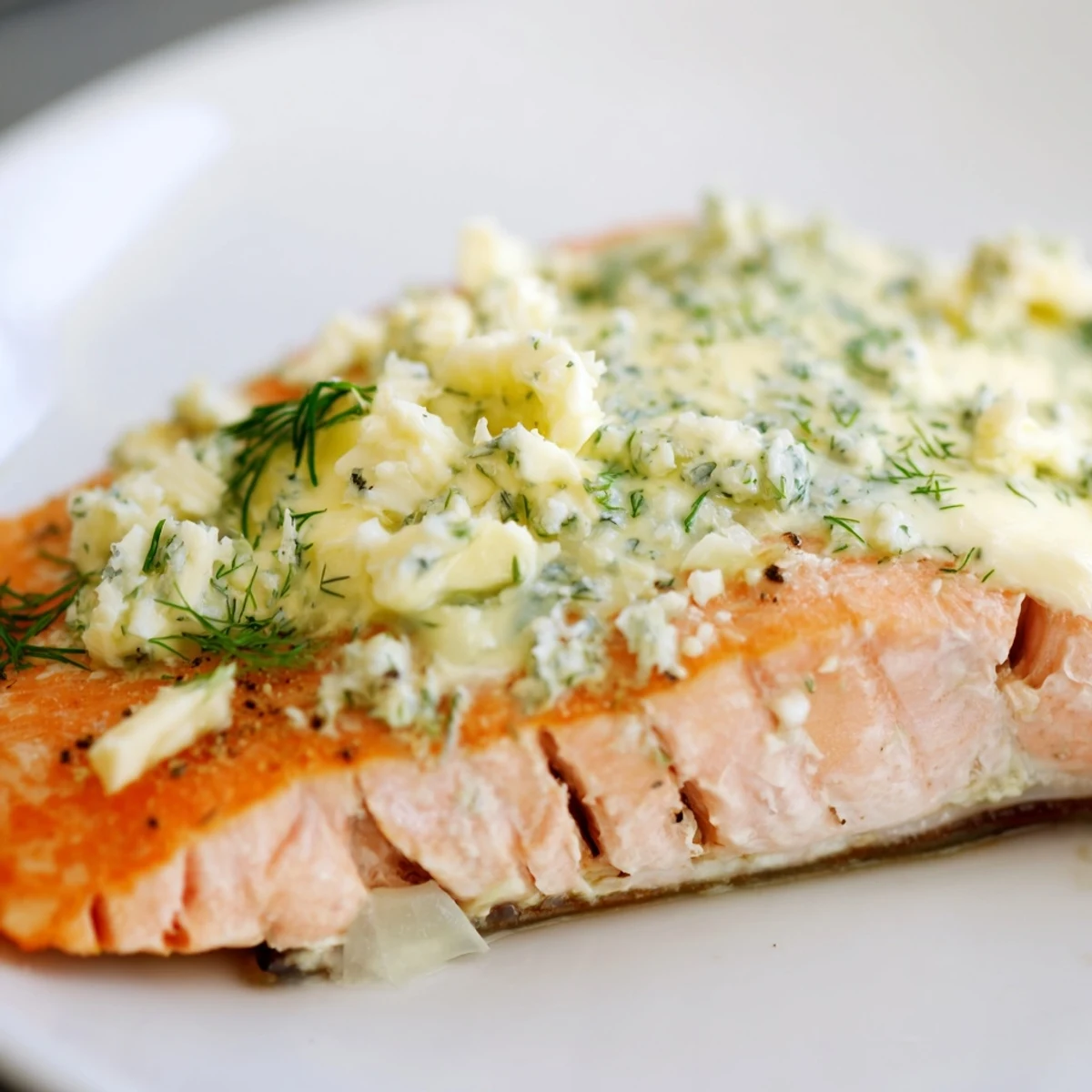
- The moment the salmon comes out, top each fillet with a generous spoonful of dill butter and let it melt over the hot fish—this is the moment everything comes together.
- Serve with joy:
- Plate while everything is warm and the butter is still pooling, maybe with a lemon wedge on the side if you're feeling generous.
 Save to Pinterest
 My ten-year-old actually asked for seconds of this, which in my house is equivalent to winning a James Beard Award. Food doesn't always have to be complicated to feel special.
Why This Works
The beauty of this dish is that it doesn't try to be anything other than what it is: quality salmon treated with respect. When you start with good fish and a few real ingredients, you don't need tricks or fussy techniques. The heat of the oven gently cooks the fish through, and the lemon slices act as both flavor and protection, keeping the delicate flesh from drying out.
Pairing and Serving Ideas
This salmon is happy with almost anything green on the side—roasted asparagus is my go-to because it takes the same amount of time to cook and has its own subtle elegance. Steamed potatoes work beautifully too, and they're perfect for soaking up any extra dill butter that pools on the plate. As for wine, a crisp Sauvignon Blanc or even a light Pinot Grigio feels right, though honestly, this dish doesn't demand anything fancy to taste good.
Small Tweaks That Matter
If you want to lighten things up without losing flavor, swap half the butter for Greek yogurt in the dill mixture—it sounds strange but tastes surprisingly good. For a frozen salmon rescue, thaw it completely in the fridge overnight and pat it very dry before cooking, otherwise you'll end up with a watery dish. Some people like to add a tiny pinch of Dijon mustard to the butter mixture, and I won't argue with that.
- Make the dill butter ahead of time and chill it; you can just dollop it onto hot salmon straight from the fridge.
- If your salmon fillets are particularly thick, tent them loosely with foil for the first few minutes to prevent the outside from overcooking before the inside is done.
- Save any extra dill butter to swirl into tomorrow's potatoes or vegetables—nothing goes to waste.
 Save to Pinterest
 This recipe proves that you don't need hours or a list of ingredients longer than your arm to make something that tastes like love. It's the kind of meal that makes you feel like you've got this.
Your Recipe Questions
- → What temperature is best for baking salmon?
-
Preheat the oven to 400°F (200°C) for tender, evenly cooked salmon with a slightly crisp exterior.
- → How can I make the dill butter more flavorful?
-
Combine softened butter with freshly chopped dill, lemon zest, minced garlic, and a pinch of salt for a bright, aromatic topping.
- → How do I know when the salmon is cooked?
-
The salmon is done when it flakes easily with a fork and reaches an internal temperature of 145°F (63°C).
- → Can I substitute the butter for a lighter option?
-
Yes, replacing half the butter with Greek yogurt maintains creaminess with less fat and a pleasant tang.
- → What sides pair well with baked salmon?
-
Steamed asparagus, roasted potatoes, or a crisp white wine like Sauvignon Blanc complement the dish beautifully.