
 Save to Pinterest
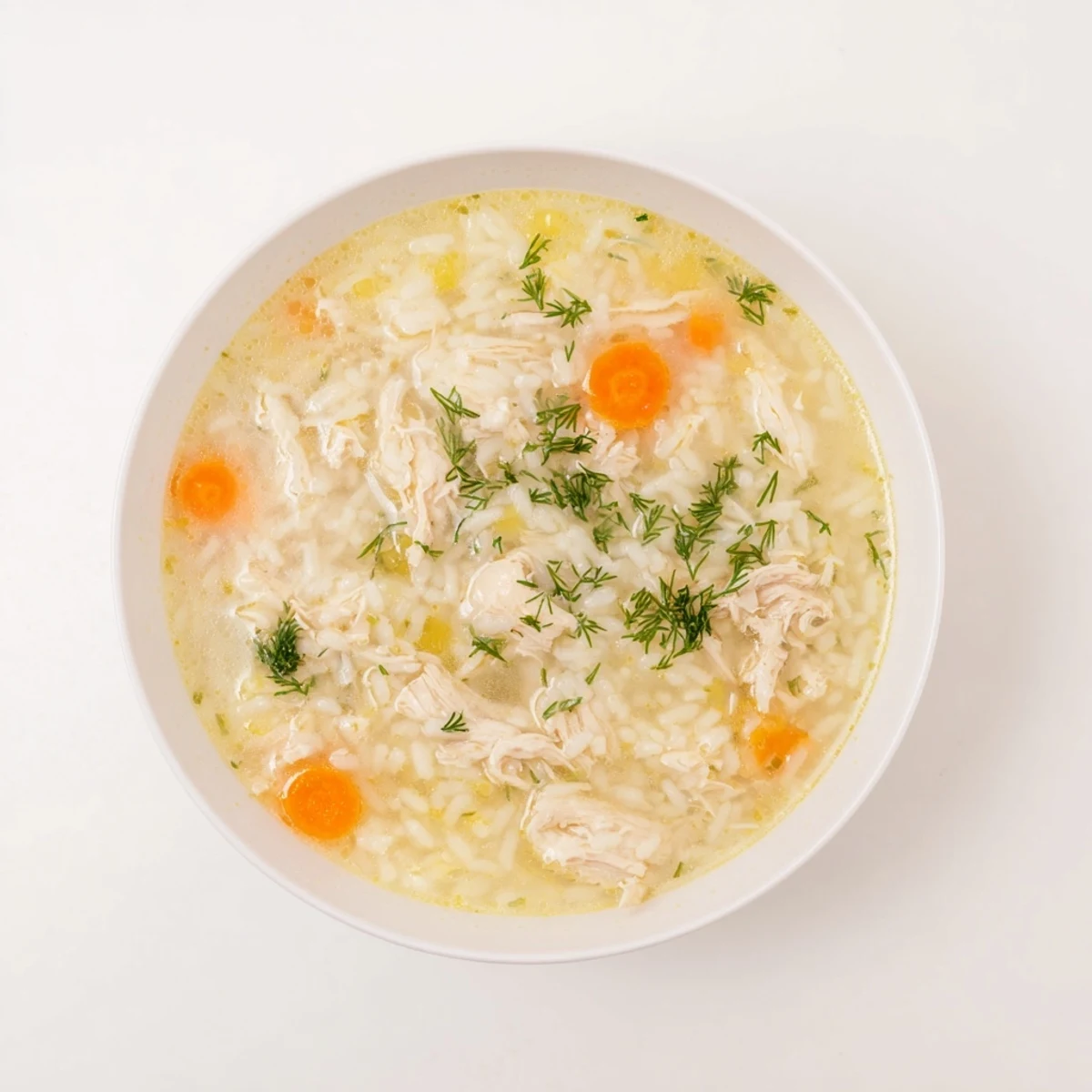
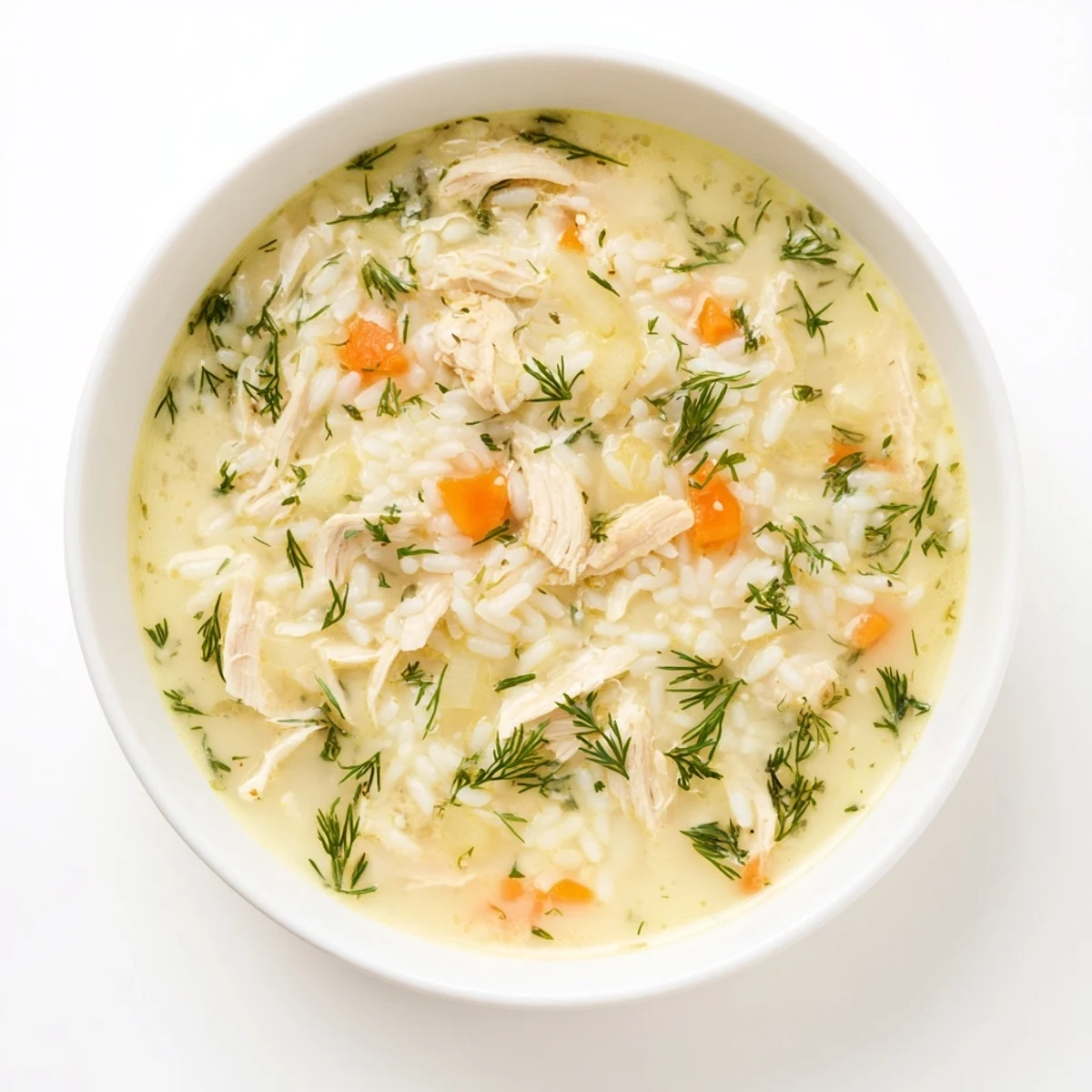
 This classic Greek bowl combines poached chicken and fluffy rice in a velvety broth enriched with eggs and fresh lemon juice. The result is a silky, comforting soup with bright Mediterranean flavors that's perfect for cold weather or when you need something nourishing.
The key to achieving the signature creamy texture lies in tempering the egg-lemon mixture with hot broth before adding it back to the pot. This technique prevents curdling while creating the signature avgolemono consistency that makes this dish so special.
Ready in just 50 minutes, this gluten-free soup serves four and works beautifully for meal prep. The flavors deepen overnight, making it an excellent option for preparing ahead.
The first time I had avgolemono was at a tiny family-run taverna in Athens, where the owner's grandmother kept bringing out bowls of this impossibly silky, bright yellow soup until I literally couldn't eat another bite. I've been obsessed with recreating that perfect balance of tangy and comforting ever since, and honestly, this recipe gets me pretty close to that rainy afternoon memory.
Last winter my partner came down with a terrible cold and requested something comforting but not heavy. This soup was exactly what they needed, bright enough to wake up the tastebuds but gentle enough for a sore throat. Now it's our go-to whenever anyone in the house needs a little extra TLC.
Ingredients
- Chicken breasts or thighs: I prefer thighs for extra flavor, but breasts work beautifully if you want something lighter
- Low-sodium chicken broth: Starting with less salt lets you control the seasoning perfectly, especially important since the lemon will brighten everything
- Uncooked white rice: Short or medium-grain becomes wonderfully tender and slightly creamy, though orzo makes a great substitute if you prefer pasta
- Eggs and fresh lemon juice: This duo is the heart of avgolemono, creating that luxurious silky texture that makes this soup so special
- Fresh dill or parsley: Dont skip the garnish, it adds a fresh pop of color and flavor that cuts through the richness
Instructions
- Build your soup base:
- Combine the chicken, broth, onion, garlic, carrot if using, and salt in a large pot. Bring everything to a gentle boil over medium-high heat, then reduce to a simmer and cover. Let it cook for 15 to 20 minutes until the chicken is completely cooked through.
- Cook the rice and prep the chicken:
- Fish out the chicken and set it aside on a cutting board, then drop the rice into the simmering broth. Let it cook uncovered for about 15 minutes until tender. Meanwhile, shred that chicken into bite-sized pieces using two forks.
- Make the avgolemono magic:
- Whisk together your eggs and lemon juice in a medium bowl until smooth. This is where you need to pay attention, gradually ladle about one cup of hot broth into the egg mixture while whisking constantly to temper the eggs.
- Bring it all together:
- Pour that tempered egg-lemon mixture back into the pot slowly, stirring gently as you go. Return the shredded chicken to the soup and heat over low heat for just 2 to 3 minutes until everything thickens slightly. Whatever you do, don't let it boil or you'll lose that silky texture.
 Save to Pinterest
 My friend Maria grew up eating this soup in her Greek grandmother's kitchen, and when I served her my version she got quiet for a minute then said it reminded her of Sunday mornings. That might be the best compliment any recipe has ever received in my kitchen.
Making It Your Own
Sometimes I'll throw in a bay leaf and a few peppercorns while the chicken simmers for extra depth, just remember to fish them out before adding the rice. The little touches make all the difference.
Serving Suggestions
Warm crusty bread is non-negotiable for soaking up every last drop of that golden broth. A simple green salad with a bright vinaigrette on the side makes this a complete meal.
Make-Ahead Tips
You can absolutely make the soup base through step 4 a day ahead, but wait to add the avgolemono mixture until you're ready to serve. The texture is infinitely better when it's freshly finished.
- Leftovers keep beautifully for 3 to 4 days, though the rice will continue absorbing broth so you might need to add a splash more when reheating
- Reheat gently over low heat, stirring frequently and never bringing it to a rolling boil
- The flavor actually develops overnight, so day-two avgolemono is somehow even better than fresh
 Save to Pinterest
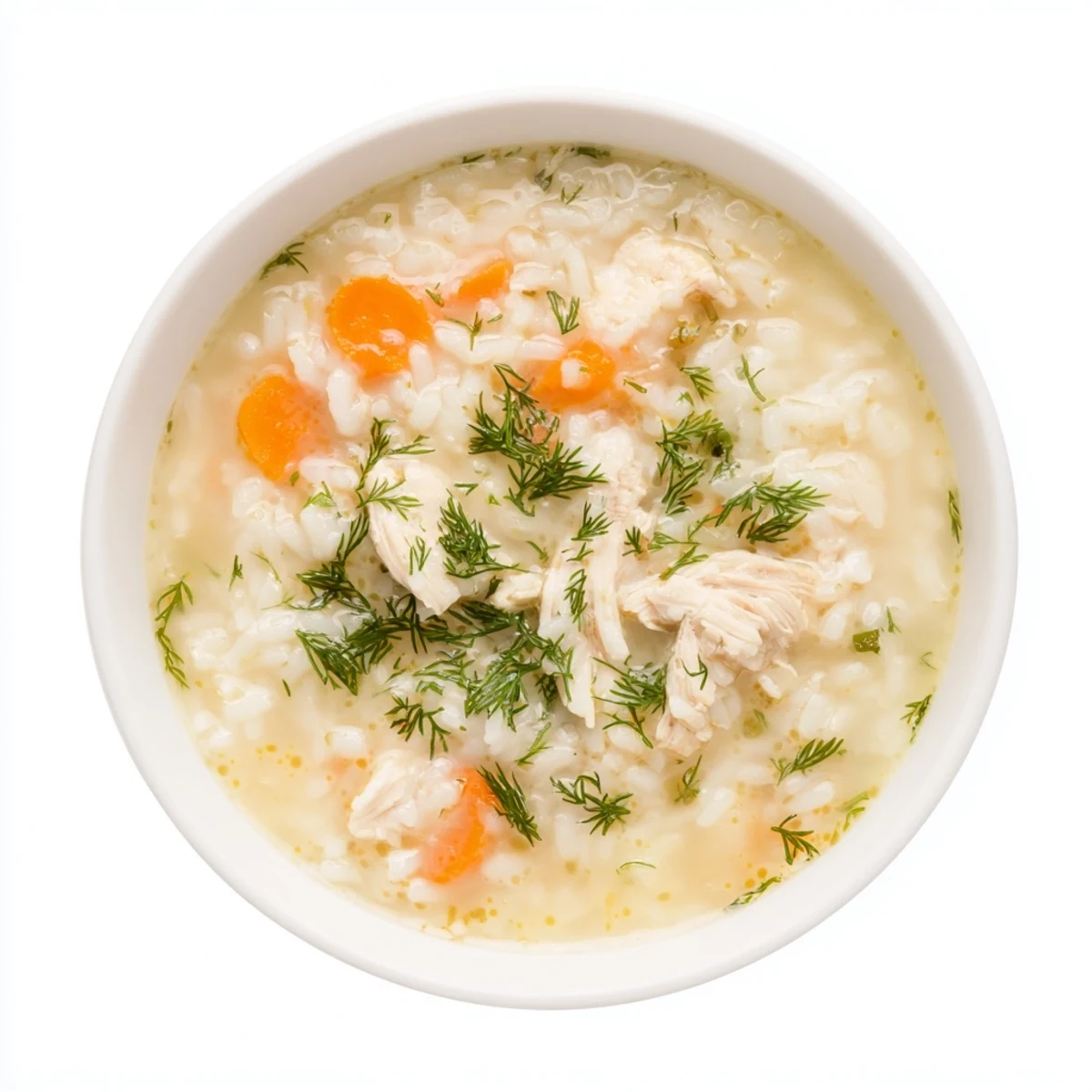
 There's something so comforting about a soup that manages to be both light and rich at the same time, bright enough for summer but warming enough for the coldest winter night.
Your Recipe Questions
- → What does avgolemono mean?
-
Avgolemono translates to 'egg-lemon' in Greek, referring to the signature sauce made by whisking eggs with fresh lemon juice and hot broth. This technique creates a silky, creamy texture without using cream or dairy products.
- → Can I use leftover cooked chicken?
-
Yes, you can substitute about 3 cups of shredded cooked rotisserie chicken or leftover roasted chicken. Simply add it during the last few minutes of cooking to heat through, skipping the initial poaching step.
- → What rice works best?
-
Short or medium-grain white rice is traditional as it releases starch into the broth for a naturally thicker consistency. Arborio or sushi rice work well too. Long-grain varieties like basmati can be used but will produce a lighter soup.
- → Why did my broth curdle?
-
Curdling occurs when hot broth is added too quickly to the eggs. Always temper by whisking in small amounts of hot broth gradually while stirring constantly. Also avoid boiling after adding the egg mixture—keep it at a gentle simmer.
- → Can I freeze this soup?
-
While possible, freezing may affect the silky texture of the egg-lemon broth. If freezing, do so before adding the avgolemono mixture. Add the tempered eggs and lemon when reheating for best results.
- → Is this soup gluten-free?
-
Yes, when prepared with gluten-free chicken broth and verified ingredients, this soup is naturally gluten-free. Always check labels on packaged broth and seasonings to ensure no gluten-containing additives are present.